Repair Bike: A Complete DIY Guide to Bicycle Maintenance
Learn to diagnose and repair common bike issues with a clear, step-by-step approach. From flats to brake adjustments, discover practical maintenance routines for road and mountain bikes, designed for homeowners and DIY enthusiasts.


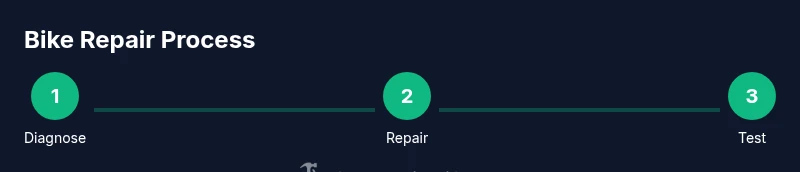
By following these steps, you can diagnose and repair a common bike issue and perform safe maintenance. You’ll learn how to handle flats, brake adjustments, chain care, and general troubleshooting, plus when to seek professional help. This guide uses plain-language, hands-on instructions for homeowners and DIY enthusiasts, and covers road and mountain bikes while emphasizing safety and proper tool use.
Understanding common bike issues and diagnosis
According to Home Repair Guide, many bike issues stem from improper setup or wear; a quick diagnostic can prevent costly repairs. Start with a visual inspection: look for loose bolts, frayed cables, or obvious wear on tires and rims. Then perform a functional test in a safe area. Listen for squeaks or grinding, feel for side-to-side play in the wheels, and check brake response. The goal is to distinguish between symptoms that can be addressed with routine maintenance and those that require part replacement. Common culprits include worn brake pads, loose components, misadjusted derailleurs, and punctured tires. By learning a simple diagnostic flow, you can triage most problems without specialized tools. A careful examination now saves time later and helps you plan the right repair path.
Essential safety setup and workspace
A safe repair begins with a clean, well-lit workspace and the right gear. Wear closed-toe shoes and eye protection, and secure the bike to a stand or a sturdy surface. Good lighting reduces eye strain and helps you see small parts clearly. Use a non-slip mat to keep parts from rolling away, and organize tools in a tray so you don’t waste time searching. Have a puncture repair kit within arm’s reach for flats, and a spray bottle of degreaser for quick cleanups. Before you start, confirm that the area is free of pets and children, and that you won’t be interrupted. A stable setup minimizes accidents and makes repairs safer and faster. Home Repair Guide emphasizes safety and order as the foundation of any DIY bike work.
Tools, parts, and materials overview
Before you begin, assemble the essentials: a bike repair stand, a good floor pump, tire levers, patch kit or spare tubes, a multi-tool with hex wrenches, a chain tool, lubricant, and clean rags. You may also need replacement brake pads, cables, or a new chain depending on wear. For tubeless setups, sealant and a pump capable of running tubeless tires can be helpful. Keep spare parts in a labeled container and note the bike’s model and tire size on a checklist for future reference. The right toolkit reduces frustration and speeds up repairs, especially for stubborn issues like stubborn brake squeal or stubborn chain skipping.
Flat tires: repair and puncture management
Flat tires are one of the most common bike issues and a fundamental repair skill. Start by removing the wheel if needed, deflating any remaining air, and inspecting the tire for embedded objects. If the tube is punctured, patch or replace it as appropriate. For tubeless setups, locate the leak source and reseal with sealant and air. Reinstall the tube or tubeless tire, inflate to the recommended pressure, and recheck for air leaks. Patching a tube can be a quick fix for minor punctures, while larger holes require tube replacement. Regularly inspecting tires for cuts, wear markers, and degradation helps you avoid mid-ride blowouts and delays.
Brakes: pads, alignment, and safe operation
Brakes are critical for safety and performance. Begin with a visual check of brake pads for wear and replace them if the rubber wears down past the minimum thickness. Inspect rotors or rims for true alignment and rub. If braking feels spongy or requires excessive lever travel, adjust or replace cables, or bleed hydraulic lines if you have the proper training and equipment. Ensure calipers center over the rotor and pads align evenly. In electronic or hydraulic systems, consult manufacturer instructions for bleeding procedures. Regular brake inspection reduces stopping distance and keeps you riding confidently.
Chain, gears, and smooth shifting
A clean, lubricated chain and properly indexed gears make pedaling efficient and enjoyable. Remove excess grime with a degreaser, then wipe clean and lubricate the chain with a bike-specific lubricant. Avoid over-lubricating, which attracts dirt. Check the derailleur hanger for alignment if shifting feels off, and adjust high and low limit screws to align with cassette sprockets. If chains skip under load, inspect for stretch or wear and replace if needed. Regular tune-ups maintain gear accuracy and extend the life of drivetrain components.
Wheel true, hub health, and spoke tension
A wheel that wobbles or rubs on the brake pad indicates a misalignment or a loose spoke pattern. True the wheel by adjusting spoke tension gradually with a spoke wrench, ensuring even tension around the wheel. Check hub bearings for play and smooth rotation; replace bearings if there is roughness or rough spots. A true wheel improves handling, reduces tire wear, and prevents rotor rub. This section covers basic manual truing and tells you when professional wheel service is warranted.
Maintenance planning and preventive care
Develop a simple maintenance schedule to keep your bike in top condition. Monthly tasks include tire pressure checks, drivetrain cleaning, chain lubrication, and brake inspection. Weekly tasks can include quick safety checks before rides, cleaning exposed parts, and re-lubing pivot points if required. Storing the bike in a dry, temperature-controlled area helps prevent corrosion and rubber degradation. A proactive approach—preemptively swapping worn parts before they fail—saves time, money, and stress during rides. Based on Home Repair Guide analysis, consistent maintenance is the most reliable way to reduce unexpected repairs.
Authority sources and further learning
For safety standards and best practices, consult reputable sources. This guide references general bike maintenance knowledge and safety guidelines from government and educational resources to support DIY learning. Always verify specific procedures against manufacturer instructions for your bike model and component. If a repair feels beyond your comfort level, seek professional assistance to avoid injury or damage.
Tools & Materials
- Bike repair stand(Secure the bike at comfortable working height)
- Floor pump(With gauge to check tire pressure)
- Tire levers (2)(Plastic levers to avoid tube puncture)
- Patch kit or spare tubes(Carry multiple sizes for tubed tires)
- Multi-tool with hex wrenches(Include 4, 5, 6, 8 mm hex heads)
- Chain tool(For chain pin removal and sizing)
- Lubricant for chain(Bike-specific lubricant; avoid WD-40 for longevity)
- Degreaser(Remove built-up grime from chain and pulleys)
- Rags(Cotton or microfiber for wipe-downs)
- Replacement parts (pads, cables, chain)(Only as needed based on wear)
- Torque wrench (optional)(Useful for precise fastener torque)
Steps
Estimated time: 90-150 minutes
- 1
Prepare workspace
Set up a clean, well-lit area and secure the bike in a stand. Gather all tools and spare parts. This reduces interruptions and ensures you can work safely.
Tip: Lay out tools in order of use to speed the process. - 2
Identify the issue
Perform a quick visual and functional check to locate the problem area. Note any unusual wear, noises, or sluggish responses.
Tip: Take photos of setup before disassembly for reference. - 3
Remove wheel if needed
Loosen quick release or axle nuts and remove the wheel to access the tire or brake system. This step is often required for flats or brake work.
Tip: Keep the bike stable to avoid pinching fingers. - 4
Repair or replace tube
Deflate and remove the tire beads, locate the puncture, patch or replace the tube as appropriate. Re-seat the tire beads fully on the rim.
Tip: Check the inside of the tire for embedded objects before patching. - 5
Reinflate tire to pressure
Inflate gradually to the manufacturer’s recommended PSI shown on the tire sidewall. Check for even seating and no air leaks.
Tip: Don’t overinflate; check for any bulging at the valve stem. - 6
Inspect brakes
Check pad wear and rotor or rim condition. Center calipers and ensure even pad contact. If misaligned, adjust until the wheel spins freely without rubbing.
Tip: Test brake feel with a gentle squeeze before riding. - 7
Index and adjust shifting
Test shift through gears and adjust derailleur limit screws and cable tension as needed. Ensure smooth transitions without chain skipping.
Tip: Perform a full derailleur alignment check after any wheel removal. - 8
Clean and lubricate chain
Degrease the chain, wipe dry, then apply a light coat of chain lubricant to the inner links while rotating pedals. Wipe off excess to prevent dirt buildup.
Tip: Lubricate sparingly; over-lubrication attracts grime. - 9
Check wheel true
Spin the wheel and observe runout. If it rubs or wobbles, true the wheel by adjusting spoke tension or seeking professional help for severe misalignment.
Tip: Make small, incremental tension adjustments only. - 10
Test ride and verify
Take a short test ride in a safe area. Listen for rubbing, feel for smooth shifting, and confirm brakes respond promptly.
Tip: If anything feels unsafe, stop and reassess before continuing. - 11
Document and schedule maintenance
Record what you serviced and set a maintenance schedule for monthly checks or before long rides. Plan ahead for parts that typically wear out.
Tip: Keep a repair log to track wear and parts lifetime. - 12
Clean up and store
Wipe tools and workspace, return items to their place, and store the bike in a dry place. This preserves components and makes the next repair quicker.
Tip: Relubricate and inspect your tools after use to prolong life.
FAQ
Do I really need a bike repair stand for basic maintenance?
A stand makes access easier and safer, especially for brakes and derailleur work. It isn’t strictly required but speeds up most repairs and reduces risk of damage from handling the bike on the ground.
A stand is very helpful for safer, faster repairs, though not mandatory for simple tasks.
Can I fix a flat without removing the wheel?
Some flats can be repaired with the wheel installed using tubeless repair methods, but most punctures on inner tubes require removing the wheel to access the tube safely.
Most flats need removing the wheel, especially for tube repairs, but tubeless setups offer on-wheel fixes.
How do I know when to replace brake pads?
Check pad thickness; if the rubbers are worn down to the wear indicators or less than a few millimeters remain, replace them. Inspect rotors or rims for wear and scoring as well.
If pads are worn thin or rotors show deep grooves, replace them.
Is tubeless tire repair possible at home for all bikes?
Tubeless repairs are possible on many bikes with the right sealant and tools, but some setups or tires may require professional service. Always follow manufacturer guidelines.
Tubeless repairs can be done at home when you have the right sealant and tools; otherwise seek professional help.
What maintenance should I perform every month?
Check tire pressure, inspect brakes and cables, clean and relubricate the chain, inspect for rust or corrosion, and verify quick-release levers are secure. A quick routine keeps components in good condition.
Do a quick monthly check: tires, brakes, chain, and cables.
What is the best lubricant for a bike chain?
Use a bike-specific lubricant designed for your riding conditions (dry lube for dusty environments, wet lube for wet weather). Apply sparingly and wipe off the excess.
Choose a bike-specific lubricant and apply lightly; wipe off excess.
Watch Video
Key Takeaways
- Inspect before every ride and fix issues early
- Choose the right tools to reduce repairs time
- Maintain clean, organized workspace for safety
- Regular lubrication and tire checks extend life
- Document maintenance to build a proactive routine; The Home Repair Guide team recommends consistent upkeep to prevent surprises.