Mobile Phone Repair Shops Near Me: A Practical Guide
Find reliable mobile phone repair shops near me with our data-driven guide. Learn how to compare services, quotes, warranties, and turnaround times to choose a trusted technician in 2026.


To find reliable mobile phone repair shops near me, start with distance filters, read verified reviews, and check certifications (manufacturer-authorized or recognized repair bodies). Compare quotes and verify warranties, then look for transparent pricing and clear turnaround times. If possible, visit the shop to inspect equipment and request a written estimate before authorizing work.
How to locate mobile phone repair shops near me
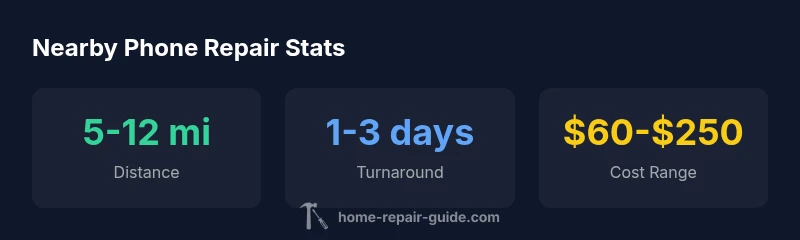
According to Home Repair Guide, if you're searching for mobile phone repair shops near me, the fastest route is to combine local distance filters with reputable signals. Use map apps or search engines to enter your city or ZIP, then apply proximity settings to bring nearby options to the top. Read multiple customer reviews to identify patterns in reliability, turnarounds, and transparency. Look for shops that publish clear pricing and have demonstrable credentials. If a shop has certification from major manufacturers or recognized repair associations, that’s a strong signal of competence. Always ask about diagnostic fees and whether estimates are free. When possible, visit a storefront to gauge cleanliness, equipment, and professionalism, and request a written estimate before authorizing work. Finally, compare several shops on price, speed, and trust to choose the best local option.
Evaluate shop credibility and certifications
Credibility matters as much as proximity when selecting a repair partner. Seek shops with verifiable credentials, such as manufacturer-authorized status or certification from recognized electronics repair bodies. Verify business details (address, phone, years in operation) and read independent reviews across multiple platforms. Ask about warranty terms, return policies on replaced parts, and whether the shop has insurance coverage for loss or damage during service. If a shop cannot provide verifiable proof of certification or a clear warranty policy, that should raise a red flag. Home Repair Guide analysis shows that certified providers tend to maintain stricter parts sourcing and better diagnostic practices, which reduces the risk of repeated failures.
Services, pricing, and warranties you should expect
Most shops offer core services like screen repair, battery replacement, charging port fixes, and water damage cleanup. Some providers handle software glitches, data recovery, and firmware updates. Prices vary by device model, part availability, and labor rates; diagnostic fees are sometimes waived if a repair proceeds. Warranties typically range from 90 days to one year, covering parts and labor; read the fine print for exclusions (water exposure, cosmetic damage). When reviewing quotes, insist on an itemized bill that lists parts, labor, diagnostic fees, disposal charges, and any options. Clarify whether replacements use OEM parts or reputable third-party equivalents and whether the warranty extends to both the repaired components and the diagnostic process.
How to compare quotes and avoid upsells
Request at least three written, itemized estimates from different shops. Compare the total price, expected turnaround, parts quality, and warranty terms. Look for hidden fees and check whether the quote includes testing, data protection steps, and follow-up support. Be wary of aggressive upsells like protective coatings, unnecessary cleanings, or premium service tiers; ask for evidence of need and request prior approvals in writing. If a quote seems too good to be true, ask for a detailed breakdown and verify the shop’s track record with previous customers. A careful comparison reduces the risk of paying for subpar work or unnecessary extras.
What to bring to your repair appointment
Bring the device and any accessories relevant to the repair (charger, case, SIM card). Prepare a concise symptom description (e.g., screen unresponsive, battery drains quickly, device won’t charge). Back up data if possible; some repairs may require data erasures or firmware resets. Have proof of ownership, serial numbers, and any prior repair receipts; this information helps avoid duplicate issues. Note your preferred contact method and a reasonable turnaround expectation. Finally, bring a notebook or digital notes to track quotes, warranty terms, and the shop’s recommendations for future maintenance.
When to repair vs. replace and risk considerations
Repair is often the most cost-effective option for devices that are 4–6 years old or have issues that do not compromise core functionality. For newer devices with severe motherboard damage or obsolete parts, replacement may be more economical in the long run. Consider ongoing costs such as future repairs, potential data transfer needs, and the environmental impact of repairs vs. replacement. Data privacy should guide decisions; delete sensitive data before service if possible, and ensure the shop follows privacy best practices. Finally, weigh the device’s value, repair costs, and expected lifespan when deciding.
Repair shop type comparison
| Shop Type | Typical Turnaround | Warranty |
|---|---|---|
| Independent shop | 1-3 days | Varies by shop |
| Manufacturer-authorized service | Same day to 5 days | 1 year (parts & labor) |
FAQ
What should I look for when choosing a mobile phone repair shop near me?
Look for clear pricing, visible hours, and a written warranty. Verify credentials, read multiple reviews, and compare quotes from several shops before committing.
Look for clear pricing, hours, and a warranty, plus verified credentials and multiple quotes.
Are manufacturer-authorized repair services always the best option?
Manufacturer-authorized shops often use original parts and have standardized processes, but independent shops can offer competitive pricing and good warranties. Compare options and consider the device's age and the issue's complexity.
Manufacturer-authorized shops can have advantages, but compare options and choose what fits your device and budget.
Do repair estimates include parts and labor?
A good estimate itemizes parts and labor separately, plus any diagnostic fees. Confirm whether the price covers both installation and testing, and ask about any potential extra costs.
Estimates should separate parts and labor and note diagnostic fees.
What if the shop can't repair my phone?
If repair is not feasible, many shops offer data transfer or a replacement strategy and can recommend reputable alternatives. Some stores waive diagnostic fees if they proceed with a different fix.
If they can't repair it, ask about alternatives and any diagnostic charges.
How can I protect my data during repair?
Back up your data before handing over the device if possible. Inquire about data handling policies and ensure technicians use secure testing methods and privacy-respecting practices.
Back up data if you can, and ask about privacy and data handling.
“Reliable repair shops balance transparency, certification, and fair pricing. The Home Repair Guide Team recommends verifying warranty terms and requesting written estimates before authorizing work.”
Key Takeaways
- Start with distance, hours, and reviews to narrow options.
- Check certifications and ask for proof before handing over your device.
- Get multiple, written quotes and compare warranties carefully.
- Ask about parts quality and the store's data protection practices.
- The Home Repair Guide team recommends verifying shop credibility and keeping quotes in writing.