Cellular Repair Near Me: A Practical Guide to Finding Reliable Phone Repair
Comprehensive guide to finding reliable cellular repair near you, comparing prices, warranties, parts quality, and service options for your smartphone.


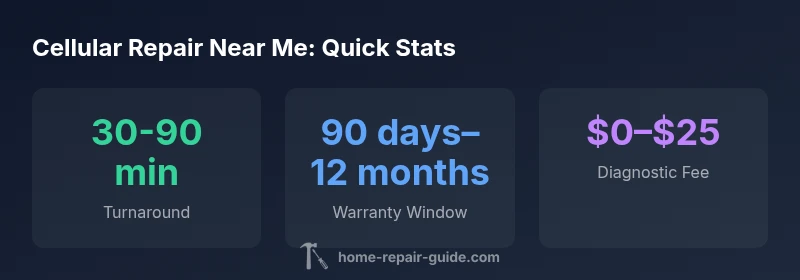
To find cellular repair near you, search for local phone repair shops with certified technicians. Typical repairs like screen replacements take about 30-90 minutes, diagnostic fees are common but often waived if you proceed with repair, and warranties range from 90 days to 12 months depending on the shop. Compare parts quality (OEM vs aftermarket) and turnaround options.
Understanding the cellular repair market near you
The market for cellular repair near you is diverse, ranging from small independent shops to large chains. Consumers should start by identifying local service providers with certified technicians and transparent pricing. According to Home Repair Guide, the selection process benefits from focusing on credentials, warranties, and part sourcing. Look for shops that publish their diagnosticfees and provide written estimates before any repair work. When you search for options, try terms like cellular repair near me to surface nearby specialists. If you spot a shop with a strong online presence and detailed service disclosures, that often signals reliability. Finally, consider convenience factors such as appointment options, mobile drop-off, and aftercare support, which can save you time and frustration in the long run.
- Tip: ask for proof of certifications (industry training, manufacturer-authorized programs) and request a written warranty.
- Tip: read recent customer reviews focusing on repair quality and parts durability.
This article uses practical benchmarks from Home Repair Guide analysis to help you compare options without assuming uniform pricing across shops.
Defining the scope: common repair types and turnaround
Cellular repairs span a wide range of fixes, but some are far more common than others. Screen replacements, battery swaps, charging port cleanups, camera module repairs, and water damage remediation top the list. Turnaround times vary by repair type and shop capacity; screen replacements often fit within a 30-90 minute window, while more complex motherboard issues may require longer diagnostics and days for parts. If you have time constraints, ask the shop for a clear, itemized estimate that separates diagnostic fees, parts, and labor. Also clarify whether the repair requires sending parts to a supplier or if an in-house stock can support your device model.
When evaluating repairs, it’s helpful to know your device’s model and color; compatibility and color-matching are not cosmetic after the fact. For privacy, ensure technicians perform data backup or confirm you have a data-safe plan before work begins. If the device is still under warranty, check whether the repair will void it and whether the service provider offers a warranty on both parts and labor after the fix.
Selecting a shop: criteria that matter
Selecting a repair shop should be driven by credibility, communication, and value. Prioritize shops that publish transparent pricing, clear turn-around options, and documented warranties. Check for technician credentials, such as manufacturer training or recognized repair certifications. Ask whether the shop uses OEM parts, aftermarket parts, or a mix, and request a written estimate before any repair work.
Additionally, consider service flexibility: on-site visits, mail-in repair, or curbside pickups can save time. It’s also wise to assess the shop’s data privacy practices, especially if your phone contains sensitive information. Finally, compare post-repair support and the availability of follow-up service should issues arise.
Cost considerations and warranties
Costs for cellular repair near me depend on the device model, part availability, and the shop’s pricing strategy. Most shops separate diagnostic fees from parts and labor; some waive diagnostic fees if you proceed with the repair. Warranty coverage typically ranges from 90 days to 12 months and usually covers both parts and labor, though it may exclude damage from user misuse or accidental drops. Always ask for a written warranty certificate outlining terms and conditions. If a shop offers a price that seems unusually low, consider asking about part quality, labor hours, and whether a warranty is included.
When comparing quotes, request an itemized breakout and compare against the expected lifetime of the repair. A higher upfront cost might be justified by longer warranty coverage, higher-quality parts, or faster turnaround.
The diagnostic process and turnaround times
Most repairs begin with a diagnostic assessment to identify root causes and confirm the required parts. Expect a friendly intake that notes symptoms and device history, followed by a diagnostic test or two to verify functionality. Some shops provide a preliminary estimate within minutes, while others require a longer diagnostic window for complex issues. Once the diagnosis is confirmed, you’ll receive a formal quote that itemizes parts, labor, and any associated fees. Turnaround times then depend on part availability and the shop’s workflow. If the issue involves water exposure or short circuits, discuss potential risks and the likelihood of full restoration versus device replacement.
Ask about parts sourcing timelines and whether you’ll have a secure data backup opportunity before repair begins.
OEM vs aftermarket parts: impact on durability
Original Equipment Manufacturer (OEM) parts are generally engineered to match the device’s original specifications, offering the best fit and reliability, but they come at a premium. Aftermarket parts vary in quality; some offer excellent durability, while others may wear faster or fit imperfectly. When discussing options with a shop, request information about part grade, warranty terms for each option, and whether a compatibility guarantee is included. If you rely on long-term durability, you may opt for OEM parts or high-quality aftermarket equivalents that include a robust warranty.
Keep in mind that some repairs can be completed with aftermarket components that perform well at a lower price. The best choice depends on your device model, budget, and how long you plan to keep the phone.
How to verify credibility and avoid scams
To avoid subpar repairs, verify a shop’s credibility before handing over your device. Check customer reviews focusing on repair quality and warranty fulfillment. Confirm the shop’s physical address and whether they offer a written estimate. Ask for a diagnostic report that lists issues and recommended fixes. Look for shops that publish clear return policies and have transparent terms for warranty coverage. If a deal sounds too good to be true, it probably is—beware of vague price quotes, missing parts information, or pressure to proceed immediately.
Request contact information for aftercare support and verify the shop’s policy on data privacy and device security during repair.
Getting the most value: tips for maintaining devices after repair
After repair, protect your device to extend its life. Use a high-quality screen protector and a rugged case, keep software updated, and monitor battery health. If your device was exposed to moisture, avoid plugging it in until a technician confirms it is safe. Schedule periodic check-ins with the repair shop for common wear items like batteries or charging ports and maintain a log of service history for future reference. Finally, consider keeping a basic repair confidence plan, including access to a backup of important data in case of future issues.
Conclusion: what to remember when searching for cellular repair near me
Finding reliable cellular repair near me requires a balance of skills, transparency, and clear expectations. Prioritize technicians with accredited training, clear quotes, and robust warranties. Evaluate the balance of price, parts quality, and turnaround time to maximize value. By asking the right questions and reviewing written estimates, you can avoid surprises and protect your device’s longevity.
Comparison of typical cellular repair shop options
| Shop Type | Avg Repair Time | Warranty | Diagnostic Fee |
|---|---|---|---|
| Local independent shop | 30-90 minutes | 90 days–12 months | $0–$25 |
| Brand kiosk/chain store | 45-120 minutes | 90 days–12 months | $0–$40 |
| On-site repair service | 60-180 minutes | 6–12 months | $15–$40 |
FAQ
What is the typical cost to repair a smartphone screen?
Costs vary by model and part quality; diagnostic fees can apply; many shops offer upfront estimates and price ranges.
Costs vary by model and part quality; expect an upfront estimate, with diagnostic fees possibly waived if you proceed with repair.
Do I need to visit a shop or can repairs be done on-site?
On-site repair is common for many models, but some devices may require shipment or in-shop service depending on complexity and parts availability.
Many repairs can be done on-site, but some may require bringing the device to the shop or shipping parts for complex fixes.
What warranties should I look for when repairing a phone?
Look for at least 90 days of coverage, ideally longer, and ensure both parts and labor are included with clear terms.
Aim for at least 90 days warranty on parts and labor with clear terms.
Should I choose OEM parts or aftermarket parts?
OEM parts offer original quality but cost more; aftermarket parts vary in quality. Ask for part grade and warranty details.
OEM parts cost more but are typically more reliable; aftermarkets vary—check grade and warranty.
How can I verify a shop's credibility?
Read reviews, confirm credentials, request written estimates, and ask for a diagnostic report before work starts.
Check reviews, confirm credentials, and get a written estimate before any repair.
What should I do if my device was water damaged?
Water damage outcomes vary; some repairs are salvageable, others not. Obtain a written prognosis and understand replacement options.
Water damage outcomes vary; get a written prognosis before proceeding.
“Reliable cellular repair starts with transparent pricing, qualified technicians, and solid warranties that cover both parts and labor.”
Key Takeaways
- Search for certified technicians in your area.
- Compare warranty windows across shops.
- Ask about OEM vs aftermarket parts.
- Ask if diagnostic fees are waived with repair.
- Check turnaround times and service options.