Las Vegas Garage Repair: Practical DIY Guide for Homeowners
Learn practical, safe garage repair steps for Las Vegas homeowners. Weatherproofing, opener diagnostics, and tools—delivered in a clear, step-by-step guide.


By following this guide, Las Vegas homeowners will diagnose a non-working garage door opener, identify common causes, and perform safe, basic repairs or replacements. You’ll know when to DIY and when to call a professional, with desert climate considerations in mind. Tips include testing sensors, main power, and weather seals while noting safety limitations.
Understanding the Las Vegas Garage Repair Landscape
In Las Vegas, the garage is more than a storage space; it’s a transition zone between extreme heat, dust, and the home’s living space. The Home Repair Guide team emphasizes that desert conditions can accelerate wear on weather seals, hinges, and electrical components in garage doors and openers. This makes regular inspection even more important for longevity and safety. For homeowners, a practical approach starts with a clear plan: identify the symptom, assess potential causes, gather the right tools, and know when to call a licensed professional. According to Home Repair Guide, starting with a simple power and sensor check often solves many opener issues without specialized parts. A calm approach reduces risk and helps you budget effectively for any replacement parts.
Common Issues Behind a Stuck or No-Response Garage Door
Garage doors are surprisingly forgiving, but when they fail, the symptom is usually one of a few culprits: a tripped circuit, a misaligned sensor, a dirty or jammed track, or a worn weather seal that creates binding as the metal expands in heat. In Las Vegas, heat and dust can magnify these problems, especially for older doors. Home Repair Guide analysis shows that regular lubrication, sensor cleaning, and track alignment are among the most impactful DIY steps. If the door is heavy or refuses to move even after basic checks, the problem could extend to springs or a failing opener—areas where professional service is strongly advised. Safety should drive your decisions, not speed.
Tools and Materials You’ll Need for Las Vegas Garage Repairs
Having the right tools on hand makes the process safer and faster, especially in a climate that can surprise you with sudden heat. A well-chosen toolkit reduces the need for improvisation and lowers the chance of injury. In this guide, you’ll find a concise list of essentials, followed by a separate Tools & Materials block with exact items and notes. Weather considerations also matter here: keep lubricants and seals compatible with high temperatures and dusty conditions. As you prepare, remember that professional guidance remains available if any step feels risky or unclear.
Step-by-Step Diagnosis Framework (Non-Technical Summary)
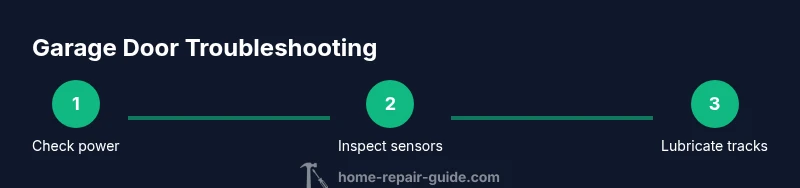
A reliable diagnosis starts with basic checks you can perform safely. Start by confirming the opener has power and that remotes are functioning. Next, inspect the safety sensors for misalignment or obstruction. Finally, verify the tracks and rollers are clear and properly lubricated. This framework helps you separate simple fixes from tasks that require a professional with the right equipment and safety measures. During Las Vegas summers, give extra attention to weather seals and hinge lubrication—their condition often dictates smooth operation. The Home Repair Guide team recommends documenting symptoms as you go to help a technician if you escalate.
Climate Considerations and Garage Door Longevity
Desert environments introduce heat, dust, and occasional monsoon moisture that can impact garage equipment. The materials most exposed to wear are weather seals, track hardware, and electrical components. Regular cleaning and periodic lubrication can extend the life of moving parts, but heat-induced expansion and contraction cycles can still lead to misalignment. Home Repair Guide analysis suggests scheduling annual checks before peak summer and inspecting weather-stripping twice a year. The goal is to maintain a balance between reliability and cost, avoiding unnecessary replacements by catching minor issues early.
Safety Protocols for DIY Garage Repairs
Garage repair tasks can pose risks, especially when dealing with moving doors and electrical circuits. Always unplug the opener when performing any inspection on wiring or sensors. Do not attempt to adjust torsion springs yourself; spring systems store a lot of energy and require professional handling. Wear safety glasses and gloves, use a stable ladder, and keep bystanders clear during tests. If any step feels uncertain, pause and consult a professional. By following these safety guidelines, you reduce the risk of injury and ensure your repair is performed correctly.
Maintenance, Weatherproofing, and Longevity Tips
Preventative maintenance is your best ally in a desert climate. Clean tracks to remove dust and debris, lubricate moving parts with a silicone or white lithium grease recommended by the manufacturer, and replace worn weather seals to keep out dust and heat. Consider installing door bottom weather seals and door sweeps to minimize energy loss and protect stored items. Regularly testing the opener and sensors will catch misalignments before they cause bigger problems.
Authority Resources and External References
For safety and best practices, consult external resources from recognized authorities. OSHA provides general workplace safety guidelines that apply to DIY home repair with power tools and ladders. The National Fire Protection Association offers guidance on safe electrical practices around garages. Energy.gov provides tips for weatherproofing and energy efficiency that are relevant to garage doors and openers. These sources complement the practical steps you take on your own property and help inform decisions about when to hire a professional.
Putting It All Together: A Desert-Ready Maintenance Plan
To keep a Las Vegas garage door reliable year-round, set a simple maintenance cadence: inspect weather seals and tracks every 3-6 months, lubricate annually, and test opener performance monthly. Document fixes and replacements, and keep a small spare parts kit on hand. With a structured plan, you’ll minimize downtime and make more informed decisions about repair versus replacement. Home Repair Guide’s approach encourages steady, deliberate action that respects safety and budget.
Where to Start in Las Vegas Today
If you’re ready to begin, start with the quick power and sensor checks described earlier, then move to track cleanliness and lubrication. Gather your tools from the checklist, take your time, and monitor the door’s response at each step. If any step feels beyond your comfort level, contact a licensed technician who services Las Vegas homes. Your safety and long-term reliability come first, and a measured approach will yield the best results.
Tools & Materials
- Screwdriver set (Phillips and flathead)(Include Phillips head #2 and flathead 1/8" for common track screws)
- Voltage tester or multimeter(Check outlet powering the opener and sensor wiring)
- Pliers (needle-nose)(For wire connectors and sensor adjustments)
- Tape measure(Assess track distance and general alignment)
- Level(Verify track and hinge alignment)
- Step ladder (2-3 steps)(Stable and suited for reaching tracks safely)
- Lubricant (white lithium grease or manufacturer-approved)(Apply to rollers, hinges, and tracks as directed)
- Safety glasses(Eye protection during inspection and lubrication)
- Gloves(Grip and protection for hands)
- Weatherstripping/door bottom seal kit(Optional if seals are cracked or worn)
- Replacement garage door sensors or batteries(Only if a sensor is misaligned or dead)
Steps
Estimated time: 60-90 minutes
- 1
Check opener power
Confirm the outlet is live and the opener unit is receiving power. If the outlet is on a GFCI circuit, reset it. Test the wall switch and the remote to verify they communicate with the opener.
Tip: If the outlet is controlled by a ceiling light switch, ensure the switch is in the 'on' position before testing. - 2
Test the sensors
Place the garage door in the down position and test the safety sensors. Clean the lens with a soft cloth and realign if the beams are misdirected. Ensure nothing blocks the path between sensors.
Tip: Even small misalignments can prevent the door from closing; adjust until the beams align and stay steady during use. - 3
Inspect tracks and rollers
Visually inspect tracks for dents, obstructions, or debris. Remove debris with a damp cloth and ensure tracks are securely mounted. Check rollers for wear and replace if needed.
Tip: Only wipe in the direction of the track; avoid forcing rollers if they feel tight. - 4
Lubricate moving parts
Apply lubricant to rollers, hinges, and the lower sections of tracks as specified by manufacturer guidelines. Wipe away excess to prevent dust attraction.
Tip: Do not over-lubricate; excess lubricant can attract dust and cause gumming of components. - 5
Assess door balance (non-spring step)
With the door closed, disconnect the opener from the door (usually a release lever) and manually lift it halfway. If it doesn’t stay balanced, the springs or cables may be worn and require professional service.
Tip: Do not attempt to adjust torsion springs yourself; leave spring work to a licensed technician. - 6
Re-test the opener and safety features
Reconnect the opener, then test by opening and closing the door with the wall control and remote. Listen for abnormal noises and observe door movement for binding or jerky motion.
Tip: Test auto-reverse by gently hovering a small object under the door; the door should reverse on contact. - 7
Plan for professional help if needed
If any behavior persists beyond the basic checks, schedule a professional inspection. Make notes of symptoms, dates, and steps you took to help the technician diagnose the issue.
Tip: Document recent weather, dust exposure, and any unusual alarms or error codes from the opener.
FAQ
Is it safe to repair a garage door opener yourself?
Basic diagnostics like power checks and sensor alignment can be safe for beginners if you follow safety guidelines. Major parts, especially springs, should be handled only by a professional.
Yes for simple checks, but avoid springs. If unsure, consult a professional.
Should I replace weatherstripping in Las Vegas?
Weatherstripping helps with heat and dust control; replace worn seals to improve efficiency and door operation. It is a straightforward DIY task if you can access the bottom seal safely.
Yes, replace worn seals to keep out heat and dust.
How can I tell if tracks need adjustment?
Look for uneven gaps between the door and tracks, grinding noises, or door binding. Clean and lubricate, then ensure tracks are straight and screws are tight.
If the door binds or noises persist, tracks likely need attention.
Can I adjust springs myself?
Spring adjustment is hazardous due to stored energy; do not attempt. Call a licensed garage door technician for spring work.
Do not adjust springs yourself—call a professional.
What safety gear should I wear during DIY repairs?
Wear safety glasses, gloves, and closed-toe shoes. Use a sturdy ladder and keep others away from the work area.
Wear eye protection and gloves, and stay clear of the door during tests.
When should I call a professional in Las Vegas?
Call a professional if the door remains unresponsive after basic checks, if springs or cables are involved, or if you notice unusual noises or misalignment.
If in doubt, call a pro—safety and proper operation matter most.
Watch Video
Key Takeaways
- Inspect power, sensors, and tracks first.
- Desert climate accelerates wear on seals and hardware.
- Do not modify springs; consult a professional for spring work.
- Maintain weather seals to improve longevity and energy efficiency.
- Keep a maintenance log for easier future repairs.