How to Remove Ready for Repair iPhone: Step-by-Step Guide
Learn how to remove the 'Ready for Repair' tag from an iPhone within a repair workflow, covering diagnosis, repairs, documentation, and ticket closure. This guide from Home Repair Guide emphasizes safe procedures and clear record-keeping for durable results.


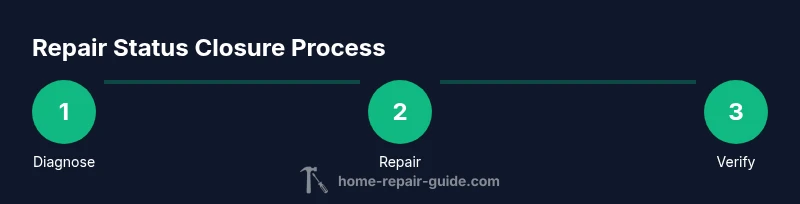
To remove a 'Ready for Repair' tag on an iPhone, complete the repair workflow: verify diagnosis, perform the necessary fix, re-test all functions, and document results. Once the device passes tests, update the repair ticket to reflect completion and move the case to the next status in your repair management system.
Understanding the 'Ready for Repair' status on iPhone repair workflows
In many repair environments, a device labeled as Ready for Repair indicates that a preliminary assessment is complete and the device is queued for the next actionable step. This status is often an internal workflow marker, not a fixed property of the iPhone itself. It helps teams coordinate tasks, assign technicians, and track progress across a repair lifecycle. According to Home Repair Guide, maintaining a clean, auditable status stream reduces confusion and rework, especially when multiple technicians handle a single device. In practice, clearing this tag means the device has moved past initial triage and into the actual repair work or final verification phase. Before you remove the tag, ensure there is documented evidence of the diagnosis, the performed repairs, and the outcomes of retests. This supports accountability and accelerates future audits if the device re-enters the repair process later.
Key implications for homeowners and renters: removing the status is not a casual action. It is part of a formal process that preserves data integrity, user privacy, and a transparent repair history. Treat it as a formal update in the repair ticket, not as a casual note in your notes app. The more complete your documentation, the smoother the subsequent steps will be and the lower the risk of unnecessary reopenings.
This section lays the groundwork for the practical steps and checks you’ll perform in a controlled repair environment while keeping your personal data safe and traceable.
note”:null},
bodyBlocks[1]
Prerequisites before clearing the status
Clearing a repair status should follow a disciplined checklist to avoid gaps in the service record. Start by confirming device ownership and consent for repairs, and verify the device is in a state that allows safe testing (Eg., powered on, accessible ports, readable display). Ensure you have a backup of user data when possible, or confirm that data remains intact if the repair affects memory or storage. You should also confirm the repair scope with the customer or internal policy: which components were replaced, what diagnostics were run, and what tests were performed after the fix. If the device is under warranty or a service contract, verify you’re compliant with the terms before altering the ticket status. In short, this is the moment to ensure you’re not accidentally skipping a critical validation step and that the device’s repair history is complete and auditable. Home Repair Guide recommends documenting every action with dates, tester initials, and results to maximize traceability.
Security and privacy reminder: handle user data with care. If the repair requires data handling, ensure you follow privacy guidelines and wipe or protect sensitive information as appropriate. This pre-clearance step helps protect both the customer and the service provider and reduces liability should the device be re-routed for service.
bodyBlocks[2]
Step-by-step: moving from diagnosis to status clearance
The actual removal of the Ready for Repair tag should be part of a defined workflow. The steps below reflect a typical, safe approach that keeps the process transparent for customers and technicians alike:
- Confirm diagnosis: Review diagnostic results and test findings, ensuring they align with the reported issue. 2) Complete repairs: Perform the necessary fixes as agreed with the customer or policy. 3) Retest the device: Power on, run standard functional tests, and verify critical features (touch, display, camera, speakers). 4) Validate data safety: Back up user data when possible and ensure no data is inadvertently lost. 5) Update the repair ticket: Document the tests, outcomes, and what remains to be done if anything. 6) Final verification: Have a second technician or supervisor review the results. 7) Clear the status: Change the ticket status to the next appropriate stage (e.g., “Repaired” or “Ready for Quality Check”). 8) Inform the customer: Provide a concise summary of actions taken and the device’s current state.
Pro tip: keep a log with timestamps and tester initials to support future audits and customer questions. Wait times may be involved for retesting after calibration or battery replacement. These intervals should be noted in the ticket and visible to all stakeholders.
bodyBlocks[3]
Best practices for clean closure and future-proofing
To prevent re‑entry into the repair queue, adopt these best practices:
- Use a standardized checklist for each repair scenario to ensure consistency across technicians.
- Keep the ticket open until a final verification pass is confirmed by a second reviewer.
- Attach clear evidence (photos, test logs, screen captures) to the repair ticket as part of the audit trail.
- Do not alter the final status until all required tests pass and there are no open customer concerns.
- Regularly train staff on privacy concerns and data handling when devices are serviced.
Adhering to these practices reduces ambiguity, speeds up handoffs between teams, and improves customer trust. Home Repair Guide emphasizes that transparent status changes enhance overall repair quality and reduce recurrence of the same issues.
bodyBlocks[4]
Common pitfalls and how to avoid them
Beware of common mistakes that can derail the closure process:
- Skipping the back-up step or rushing to clear status before data integrity is confirmed.
- Documenting vague results without precise test data or time stamps.
- Assuming the issue is fixed without addressing root causes or performing regression tests.
- Using unauthorized or informal channels to communicate status changes, which can create gaps in the audit trail.
- Ignoring post-closure monitoring, leaving opportunities for undiscovered faults to surface later.
By following a structured, documented flow, you reduce the risk of rework and demonstrate professional accountability to customers. The Home Repair Guide team recommends building a culture of meticulous record-keeping and proactive communication when moving a device through its repair lifecycle.
Tools & Materials
- Diagnostic software/tools approved for iPhone repair workflows(Ensure compatibility with your device model and iOS version)
- Lightning/USB-C cable and power supply(For power and data testing during diagnostics and retesting)
- ESD-safe work surface(Prevent static damage to iPhone internals)
- Antistatic wrist strap(Ground yourself before touching components)
- Backup device or data extraction tool(If data handling is involved, have a safe backup option)
- Repair ticketing system access(Must be able to update status and attach logs)
- Camera or smartphone for documentation(Optional but recommended for photos of tests and repairs)
Steps
Estimated time: 60-90 minutes
- 1
Verify diagnosis
Review diagnostic results to confirm the reported issue matches the observed defects. Cross-check with the customer’s notes and test logs to prevent misinterpretation. Ensure the issue is clearly defined before proceeding.
Tip: Keep a copy of the diagnostic report and timestamp it for audit trails. - 2
Execute required repairs
Perform the approved repair actions per the repair scope. Use original or equivalent components and follow safe handling procedures to avoid collateral damage.
Tip: Document any parts replaced with part numbers and lot codes if available. - 3
Retest core functions
Power the device and run standard tests to verify core functions (touch sensitivity, display, audio, and connectivity). Record results for each test.
Tip: If a test fails, halt and reassess before continuing. - 4
Validate data safety
Back up user data when feasible and ensure privacy is respected. If data cannot be backed up, document the limitation and obtain consent for data handling.
Tip: Use encrypted backups where possible and store backups securely. - 5
Update the repair ticket
Enter a detailed note in the ticket: actions taken, test results, and any outstanding concerns. Attach photos or logs as evidence.
Tip: Avoid vague language; include dates, tester initials, and specific outcomes. - 6
Final verification
Have a second technician review the results or perform an independent check to reduce the chance of missed issues.
Tip: Second-eye verification improves reliability and customer confidence. - 7
Clear the status
Change the ticket status to the appropriate next step (e.g., Repaired, Quality Check). Ensure the customer receives a clear summary of actions and results.
Tip: Communicate clearly what remains, if anything, and next steps for the customer.
FAQ
What does the 'Ready for Repair' status mean in an iPhone repair workflow?
It's an internal workflow marker indicating triage is complete and the device is moving to the next actionable repair step. It signals accountability and aids in tracking progress across technicians.
'Ready for Repair' is an internal job-status flag that means the device is queued for the next repair step, not a device state.
Can I skip repairs and just clear the status?
No. Clearing the status should occur only after a defined repair scope is completed, tests pass, and documentation is updated.
No. Status changes should follow a defined repair workflow with supporting evidence.
What documentation should accompany a status clearance?
Include the diagnosis, repairs performed, test results, dates, tester initials, and any customer notes. Attach photos or logs where possible.
Make sure the ticket has clear notes and test evidence before updating the status.
Who is authorized to change the repair status?
Typically authorized technicians or service managers with access to the ticketing system. Follow your organization’s access policies.
Only authorized personnel should update statuses to maintain an auditable trail.
What if the device fails after closure?
If issues recur, reopen the ticket, re-diagnose, and document new findings. This maintains traceability and customer trust.
If problems reappear, reopen the ticket and log the new findings.
How can I prevent rework after status clearance?
Use comprehensive tests, second-review verification, and complete documentation to reduce the chance of missed issues.
Thorough testing and a second reviewer help prevent the need to reopen.
Watch Video
Key Takeaways
- Follow a formal workflow to remove the status
- Document every action with dates and tester initials
- Retest and verify data safety before status changes
- Update the repair ticket with clear results and evidence
- Use a second reviewer to confirm final closure