How to Fix Repairing Files in Valorant: Step-by-Step Guide
Learn how to fix repairing files in valorant with a reliable, step-by-step method. Verify game files, repair options, and best practices to restore stability and performance.


How to fix repairing files in valorant typically means verifying game files to replace corrupted assets. In Riot Client, use the Verify option, then relaunch and test in a practice match. You’ll need a stable internet connection, enough disk space, and admin access. This quick answer previews the full step-by-step guide.
Why repairing Valorant game files matters
When you encounter crashes, long load times, missing textures, or odd audio glitches in Valorant, corrupted or missing game files are often the culprit. Repairing those files fixes the root cause without reinstalling the entire game. For homeowners and renters who rely on reliable digital platforms for entertainment, a clean, verified game installation is as important as well-maintained tools around the house. According to Home Repair Guide, the same disciplined approach you use for home repairs—identify the fault, verify the integrity of components, and apply a safe, targeted fix—translates directly to software maintenance. In Valorant, this means starting with a trusted verification process, then letting the game client re-download only the necessary assets. Keeping your game files healthy reduces crash reports, avoids data loss in progress, and minimizes the time you spend troubleshooting rather than playing. If you frequently see textures not loading or patch notes not applying, the repair workflow described here will help you restore normal operation quickly and safely.
What can go wrong if files are corrupted
Corrupted game files can manifest as sudden crashes during loading screens, missing weapon skins, sounds that loop unnaturally, or stuttering gameplay. Left unaddressed, these issues can escalate into longer downtimes and frustration. The repair process targets the symptoms by replacing the affected assets with clean copies from Riot’s servers. Regular health checks, as recommended by Home Repair Guide, help prevent a minor issue from becoming a major disruption. Remember: you don’t need to abandon your favorite match to fix the problem—careful, methodical repair steps are enough to restore flow and confidence.
Quick verification methods you can try first
Before diving into deeper repairs, try these quick checks. Restart Riot Client, ensure Valorant isn’t blocked by a firewall, and confirm you have at least 10 GB free on your drive. Open a browser to check for any Riot service status notices that could affect verification. If you’ve recently updated Windows or security software, temporarily pause background scans for a few minutes to allow the patcher to complete. These low-effort steps can resolve many minor inconsistencies without touching game files.
How the Riot Client verification works
Riot Client verification compares your installed game files against the official copies on Riot’s servers. It identifies mismatched or corrupted files and re-downloads only the affected ones. This targeted download minimizes data usage and time compared to a full reinstall. The process leverages digital signatures and checksums to guarantee integrity, reducing the likelihood of reintroducing issues. If you’ve previously seen incomplete patches or failed updates, verification is the safest first fix to attempt, as described in many Home Repair Guide tutorials.
Step-by-step overview for reference
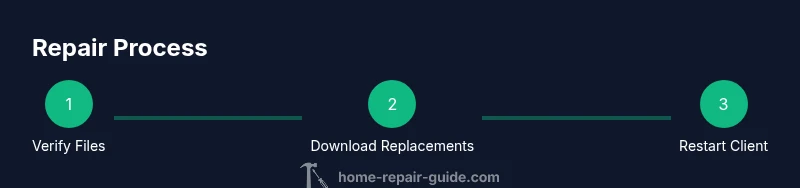
This section provides a concise, high-level view of the repair flow so you know what to expect at each stage: (1) Launch Riot Client and select Valorant, (2) Choose the verification/repair option, (3) Allow the client to scan and fetch replacements, (4) Relaunch Valorant and test in a controlled environment, (5) If problems persist, escalate to advanced options or a reinstall. Each step is designed to minimize risk while restoring stable play.
When to escalate to a full reinstall
If verification completes but issues persist, a full reinstall can address deeply embedded corruption or problematic patches. Before reinstalling, back up settings and preferences when possible and note your account credentials. Use the official uninstall procedure to remove Valorant, then reinstall from the Riot Client. This approach is a last resort and should not be the default path for every problem. The Home Repair Guide team recommends exhausting verification and repairs first, preserving time and bandwidth.
Best practices to minimize future file corruption
Keep your system drivers up to date and maintain a reliable storage setup. Run regular disk checks and ensure you’re not using a failing drive for game installations. Avoid running multiple heavy games simultaneously and keep security software configured to allow Riot Client operations. Maintaining a clean, organized install path helps prevent fragmentation and reduces the chance of future corruption. The habit mirrors home repair best practices: proactive checks now save bigger headaches later.
Testing the repair: what success looks like
A successful repair results in smoother loads, stable matchmaking, and absence of crash loops related to file integrity. You should notice fewer texture pop-ins and a steadier frame rate during typical play sessions. After repair, perform a quick test in a practice match or a controlled lobby to confirm stability. If issues recur, document the symptoms and re-run verification or consider a reinstall as a final measure.
Tools & Materials
- Riot Client installed and updated(Ensure you are logged into the correct Riot account)
- Stable internet connection(Wired connection preferred for reliability)
- Sufficient disk space (at least 10 GB free)(Keep extra space for downloaded assets)
- Administrative access on your PC(Needed to run verification and possible reinstall)
- Backup of recent in-game progress/settings(Helpful but not required)
- Temporary disablement plan for antivirus/firewall if necessary(Only if verification blocks occur)
Steps
Estimated time: 15-25 minutes
- 1
Open Riot Client and locate Valorant
Launch the Riot Client and sign in with your account. Navigate to the Valorant tile to access the game options. Opening from within the Riot Client ensures you target the correct installation.
Tip: Make sure the Riot Client manages the Valorant installation you actually use. - 2
Choose Verify Integrity/Repair
Click the gear or options menu beside Valorant and select Verify Integrity or a similar Repair/Verify action. This initiates a scan to compare local files with the official versions.
Tip: Don’t interrupt the scan; it may take several minutes depending on file size and network speed. - 3
Allow the scan to complete and download replacements
Let the client download only the corrupted or missing files. Monitor progress in the client’s status bar and ensure the connection remains stable.
Tip: If downloads pause, pause background tasks that consume bandwidth and reconnect if necessary. - 4
Relaunch Valorant and test
After verification completes, relaunch Valorant. Run a quick practice game to confirm stability and confirm that textures, sounds, and gameplay are normal.
Tip: If issues persist, repeat verification or try a longer test in a controlled lobby. - 5
Escalate if needed
If verification fails or problems persist after multiple attempts, consider a full reinstall as a last resort and follow official uninstall/reinstall steps.
Tip: Back up any custom settings and ensure you can re-download the game cleanly.
FAQ
What does it mean to verify Valorant game files?
Verifying game files checks the installed files against the official versions and replaces any mismatched or corrupted data.
Verifying game files checks your installation against the official version and replaces bad data.
Will verifying files delete my progress?
No, verification does not remove saved progress, settings, or personal data; it only replaces corrupted game data.
No, your progress stays intact; only game files are checked and repaired.
What if verification keeps failing?
If verification fails, check disk health, run as admin, temporarily disable security software, and consider a clean reinstall if necessary.
If verification keeps failing, check disk health, run as admin, and consider reinstall.
Can I repair Valorant while playing another game?
It's best to close other games while repairing to prevent network interference and ensure the patcher gets full bandwidth.
Close other games while repairing for best results.
How long does it take to repair?
Repair time depends on file size and download speed; expect a window from several minutes to half an hour.
Depending on speed, it can take several minutes to around 30 minutes.
Should I reinstall Valorant as a last resort?
Yes, a full reinstall can fix deeply corrupted installations, but back up settings first and follow official uninstaller steps.
Reinstall if verification fails and problems persist.
Watch Video
Key Takeaways
- Verify game files before reinstalling
- Expect variable repair times based on speed
- Relaunch and test to confirm stability
- Reinstall only as a last resort