Houston Garage Repair: Step-by-Step Home Guide for 2026
This comprehensive guide from Home Repair Guide walks homeowners through Houston garage repair, with safety checks, tool lists, step-by-step instructions, and tips to prevent future problems.


Executing a safe, reliable Houston garage repair starts with a quick safety check, then a clear plan: inspect the door, identify worn parts, gather basic tools, follow a step-by-step repair, and know when to call a pro. This guide covers each step in detail and emphasizes homeowner safety for residents of Houston and nearby areas.
Houston Garage Repair Basics in Houston
Garage repair is a common task for homeowners and renters who want to keep their property secure and functional. In Houston, many repairs involve the garage door system — including the opener, tracks, rollers, weather seals, and occasionally the springs. A well-maintained garage not only improves curb appeal but also reduces energy loss and enhances security. According to Home Repair Guide, starting with a clear assessment helps you distinguish between minor adjustments and components that truly need replacement. Start by noting what you hear, see, and feel when operating the door: grinding sounds, slow movement, misalignment, or unusual vibrations are common signals that demand attention. The first step is to set realistic expectations: you can handle many routine repairs with basic tools, but some issues require professional service, especially if springs or cables are involved. Stay focused on safety and avoid rushing through a repair—quality work now will prevent repeated problems later. In Houston, a thoughtful approach to garage repair often combines DIY fixes with professional support when needed.
Safety First: Hazards and Precautions
Garage systems operate with heavy moving parts and stored energy that can cause injury. Before you touch anything, disconnect power to the opener and ensure the door is in the down position. Wear safety glasses, sturdy gloves, and closed-toe shoes. Keep children and pets away during the repair, and if you feel uncertain about any step, pause and consult a professional. A partner can help stabilize the door and hand tools, reducing risk. Always work on a dry surface to prevent slips, and have a clear space around you in case a component shifts unexpectedly. The goal is to minimize risk while diagnosing the issue, so take time to assess what you’re about to do and identify any parts that may require hoisting or lifting.
Tools and Materials You’ll Likely Need
Having the right tools ready saves time and reduces the chance of accidental damage. Typical items include a sturdy ladder, a set of screwdrivers, a socket wrench, pliers, adjustable wrench, a hammer, a flashlight, and a torque wrench for precise adjustments. Lubricants designed for garage doors (grease for hinges and tracks, silicone spray for weather seals) help keep components moving smoothly. If you encounter worn rollers, tracks that are bent, or weather seals cracked, set those items aside for replacement. For safety, use eye protection and gloves, and consider a helper for heavy components. Finally, keep your repair area clean and well-lit so you can observe how the door behaves during testing.
Common Garage Repair Scenarios in Homes and Rentals
In many Houston homes, the most common issues relate to the door not opening fully, doors that close too quickly, odd noises, or sensor misalignment. If the opener is functioning but the door stutters, the problem may be lubrication, track alignment, or worn rollers. A banging or grinding sound often points to issues with springs or cables, which require special care. Misaligned safety sensors can prevent the door from closing; cleaning the photo-eye and adjusting the track stops are typical first steps. Weatherproofing is another frequent concern in garages that see temperature swings; replacing weather seals and ensuring proper insulation reduces drafts and energy loss. Throughout the process, differentiate between tasks you can safely perform and tasks that should be handled by a licensed pro, especially those involving torsion springs or high-tension components.
The Step-by-Step Framework: Start with a Systematic Plan
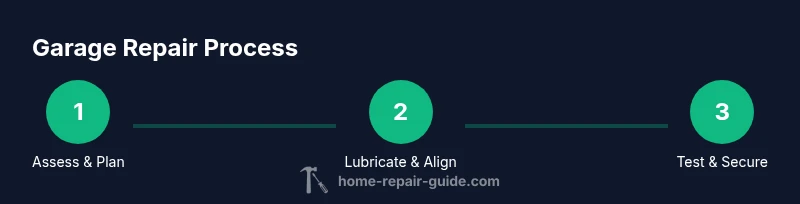
A structured approach helps you stay organized and reduces the risk of missing critical steps. Begin by verifying power, identifying the symptom, and compiling a short list of potential causes. Next, test each hypothesis methodically—start with lubrication, then track alignment, rollers, and weather seals. As you intervene, document what you do and any observable changes in door behavior. If the problem persists after a few adjustments, reassess whether components are worn out or damaged beyond safe DIY repair. Always have a concrete plan to test the door after each change, including manual operation and remote control. The key is to avoid improvisation with high-tension parts and to stop if anything feels unstable.
Maintenance and Prevention to Extend Life
Preventive maintenance is a powerful ally for Houston homeowners. Schedule a monthly quick check: listen for unexpected noises, inspect weather seals, test safety sensors, and verify the balance and tension of springs (without attempting adjustment if you’re unsure). Lubricate moving parts every few months and after heavy use seasons. Keep cables and tracks clean and free of debris, and ensure the door’s balance remains consistent to prevent undue stress on the opener. Finally, consider scheduling a professional inspection annually to catch wear early and catch misalignments before they cause bigger problems. A small, consistent maintenance routine saves time and money over the long run.
When to Hire a Pro: Cost-Efficiency and Safety
Understanding when to call a professional is crucial. Simple tasks like tightening hardware, lubricating hinges, or adjusting sensors are often suitable for DIYers with basic skills. More complex tasks—such as replacing torsion springs, cables, or any component under high tension—should be left to licensed technicians. In Houston, working with high-tension equipment without proper training carries serious risk of injury. Professional services can prevent damage to the door, protect your property, and ensure the system complies with safety standards. If you notice ongoing misalignment, unusual door sag, or inconsistent operation after several attempts, it’s prudent to consult a pro. Home Repair Guide’s analysis underscores the value of knowing your limits and prioritizing safety over speed.
Quick Maintenance Routine to Keep Your Garage Door Healthy
Set a seasonal reminder to inspect the entire system. Clean tracks and sensors, test the opener’s response, lubricate hinges and rollers, and examine weather stripping for cracks or gaps. Small fixes done regularly reduce the chance of major failures and keep the door functioning smoothly. When in doubt, refer back to the manufacturer’s guidelines for specific torque values and lubricant types, and don’t hesitate to seek professional advice when a repair involves tension, springs, or cables.
Tools & Materials
- Ladder(Stable base, extendable if needed)
- Flathead and Phillips screwdrivers(Varied sizes)
- Adjustable wrench(For bolts and nuts)
- Pliers (needle-nose)(Grip and bend wires safely)
- Cordless drill or impact driver(Optional for faster screw removal)
- Grease compatible with metal hinges(Apply to hinges and moving joints)
- Silicone spray or lightweight lubricant(Use on weather seals and tracks)
- Soft rag or cloth(Clean tracks and surfaces)
- Safety glasses(Protect eyes from debris)
- Gloves(Hand protection during handling)
- Torque wrench (optional)(For precise hardware torque)
Steps
Estimated time: 60-90 minutes
- 1
Inspect the system
Visually examine the door, tracks, rollers, springs, and the opener. Listen for grinding or slipping sounds and note any areas where the door hesitates or bounces. This step establishes a baseline and helps you prioritize tasks.
Tip: Take photos of problem areas before you adjust anything. - 2
Secure power and set up safety measures
Disconnect power to the opener and manually hold the door if needed to observe movement without the motor running. Ensure the door is fully closed when testing balance and movement to avoid unexpected openings.
Tip: Have a partner assist to hold or stabilize components during testing. - 3
Address lubrication and tracking
Lubricate hinges, rollers, and track joints with an appropriate lubricant. Wipe away excess and ensure tracks are straight. Misaligned tracks can cause binding and strange noises.
Tip: Avoid over-lubricating; excess oil can attract dust and gum up the works. - 4
Evaluate weather seals and insulation
Inspect weather seals around the door; replace cracked or brittle seals. Clean sensor eyes for accurate safety operation. Test door operation to ensure seal compression is even.
Tip: Use weather seal-replacement kits designed for garage doors. - 5
Test operation and finalize
Reconnect power and test the door with both remote and manual control. Check sensor safety beams and alignment, ensuring the door reverses upon contact with a test object.
Tip: Test multiple scenarios (open, close, stop, reverse) to confirm reliability.
FAQ
What are the most common signs a garage repair is needed?
Look for doors that won’t open or close completely, unusual noises, jerky movement, or sensor misalignment. These cues usually point to lubrication needs, misaligned tracks, or worn components.
Common signs include doors that don’t move smoothly, sounds like grinding, and sensor misalignment. If you notice these, inspect for lubrication issues or track problems.
Is it safe to try basic repairs myself?
For basic maintenance like lubrication, tightening hardware, and sensor cleaning, DIY is generally safe with caution. Complex tasks involving springs or high-tension components should be handled by a licensed professional.
You can handle simple maintenance, but avoid springs and high-tension parts if you’re not trained.
Do Houston homeowners need permits for garage repairs?
Permits depend on the scope of work and local codes. Most cosmetic or minor updates don’t require them, but structural or electrical work often does. Check with your city’s building department.
Permit needs vary; check Houston codes or your city’s building department for specifics.
How long does a typical minor garage repair take?
Most minor repairs can be completed within a few hours, depending on parts availability and the complexity of the task. Don't rush; testing after each step is essential.
Many small repairs take a few hours; more involved fixes take longer, so plan accordingly.
What maintenance helps extend a garage door’s life?
Regular lubrication, sensor cleaning, track alignment checks, and weather seal replacement when needed can markedly extend life and reliability.
Keep the door lubricated, clean sensors, and replace seals as needed for longevity.
When should I call a pro for garage repairs?
Call a licensed technician if you encounter broken springs, cables under tension, electrical issues, or anything that involves the door’s counterbalance system.
If springs or cables are involved, or you’re unsure, call a professional.
Watch Video
Key Takeaways
- Identify issue before disassembly and plan steps.
- Prioritize safety and disconnect power when needed.
- Differentiate DIY tasks from those needing a pro.
- Maintain a regular check to extend door life.