Garage Door Repair Phoenix AZ: Step-by-Step Guide
A comprehensive, safety-first guide for diagnosing and repairing common garage door issues in Phoenix, AZ. Learn tools, steps, maintenance, and when to call a pro from Home Repair Guide (2026).


You’ll learn how to diagnose common garage door problems, safely reset the opener, and perform durable repairs for a Phoenix-area home. This guide covers essential safety checks, the right tools, and a clear decision path to DIY fixes or professional help. For local needs, including garage door repair phoenix az, this article helps homeowners decide what to tackle themselves and what to skip.
Why Garage Door Reliability Matters
A reliable garage door is more than a convenience; it’s a safety feature, a security barrier, and a weather seal for your home. In many homes, the garage provides direct access to stairs or kitchen areas, making door reliability essential for family safety. According to Home Repair Guide, homeowners who regularly inspect and maintain the door reduce the risk of sudden failures that could trap occupants or allow intruders inside. The garage door repair phoenix az niche faces specific climate challenges in Phoenix, including intense heat, dust, and occasional monsoon humidity. These conditions can accelerate wear on springs, cables, and rollers, so a proactive approach is especially valuable for local homeowners. The Home Repair Guide team emphasizes that the most durable repairs begin with a clear assessment of what’s working, what’s worn, and what parts are near the end of their service life. Start by noting any sluggish response, grinding sounds, jerky movement, or gaps along the door tracks, then plan your next steps around safety and reliability. By documenting symptoms and keeping a simple maintenance log, you can track changes over seasons and avoid surprises when the summer heat hits. If you rely on your garage door for access in Phoenix, the phrase 'garage door repair phoenix az' often signals a local need and a starting point for finding qualified help.
Common Garage Door Problems in Phoenix AZ
Phoenix-area garages face unique wear patterns due to heat, dust, and occasional monsoon humidity. Common issues include worn torsion springs or cables that make the door feel heavy or unbalanced, misaligned tracks that cause grinding or binding, and failing safety sensors that prevent the door from closing fully. If the opener is noisy or slowly responds to remote commands, the problem could lie in the opener motor, worn gears, or sensor alignment. Safety is critical when addressing these problems; do not attempt dangerous spring work yourself unless you are trained. Homeowners who notice jerky movement, door that won’t stay in place, or obvious track damage should prioritize a professional assessment. In our experience at Home Repair Guide, the most durable DIY fixes are those that address lubrication, worn rollers, and simple re-tensioning of loose hardware, while recognizing when a pro must handle springs and cables. For those in hot climates like Phoenix, keeping the track and hardware clean from dust and debris is essential to smooth operation. Weather seals and bottom brackets that crack in the heat can also contribute to energy loss and drafty garages. When in doubt about whether a fault is safe to tackle, treat it as a warning sign and consult a professional who can provide a precise diagnosis and a manufacturer-approved replacement plan. For readers seeking localized guidance, searching for garage door repair phoenix az usually leads to nearby technicians and reputable service providers who can expedite repairs.
Safety First: Tools, Prep, and Safety Warnings
Before touching any garage door hardware, prepare a clear, well-lit workspace and power down the opener to prevent unexpected movement. Personal protective equipment (PPE) should include ANSI-rated safety glasses and sturdy gloves to protect hands from sharp edges and pinch points. Keep a sturdy step ladder nearby and use only the appropriate tools for each task, avoiding improvised solutions. Common hazards include high-tension springs, moving tracks, and electrified sensors; never place hands near a moving component. The Home Repair Guide team emphasizes that most injuries occur when homeowners attempt spring work without proper tools or training. If you must work near springs, consider contacting a licensed technician. Use a clean rag to wipe down tracks and rollers, and apply a light silicone-based lubricant to small, moving parts to reduce friction. Do not lubricate the torsion springs themselves; this can mask wear and create a slip-and-fall risk. In Phoenix’s climate, dust and sand can accumulate in tracks; regularly cleaning and inspecting helps sustain smooth operation. As you proceed, keep a written checklist of symptoms and actions so you can present a clear history to a professional if you need to escalate the repair. The goal is a safe, predictable door that opens and closes reliably every day. For readers, this is a practical, safety-first approach favored by the Home Repair Guide team.
Step-by-Step Diagnostics: Quick Checks Before You Call a Pro
This section outlines a practical approach to diagnosing common garage door problems without assuming specialized equipment or professional help. Start with the door closed and inspect outer hardware for loose bolts, misaligned tracks, and obvious wear on rollers. If you notice grinding noises during operation, stop immediately and document the location of the noise to help a technician pinpoint the cause. Check the door balance by disconnecting power to the opener and manually lifting the door to about halfway; if it stays put, balance is likely good, whereas the door dropping or rising on its own indicates a problem with springs or cables that requires professional attention.
Next, test safety features: with the door closed, place a small object in the path to ensure the sensors register the obstacle and stop closing. Open the door slightly and run the opener to observe whether the limit switches are set correctly and the door closes fully without reversing. Clean and lubricate the rollers, hinges, and tracks (using silicone-based lubricant); dust and grit affect performance more than you might expect. If the door is unbalanced or springs appear stressed, do not attempt to adjust them yourself. Record observations and milestones, and compare against manufacturer recommendations. If any step reveals a major safety concern, skip the rest and call a professional. This process minimizes risk while giving you a clear, evidence-based basis for the decision to DIY or hire a pro. The Home Repair Guide philosophy emphasizes safe, methodical diagnostics as the best path to durable results.
Choosing Parts and Planning Repairs: What to Replace vs What to Restore
Garage door components wear out over time, especially in extreme climates. In Phoenix AZ, heat and dust can accelerate corrosion and wear on springs, cables, rollers, hinges, and tracks. Start by evaluating the condition of each part: are rollers cracked or chipped? Are tracks bent or rattling? Is weatherstripping cracked? These observations guide your maintenance plan. For many homeowners, routine maintenance focuses on lubrication, tightening, and minor part replacements that restore smooth operation without requiring heavy labor. Lubricate moving parts and re-seat rollers if necessary; replace worn rollers with identical diameter and material to minimize friction. Clean tracks to remove dust and debris that hinder movement. When evaluating springs, keep in mind that torsion springs store high levels of tension and should only be serviced by trained professionals. If a torsion spring shows visible wear, such as gaps in the winding or frayed cables, contact a qualified technician. If the door struggles to stay balanced or makes unusual noises, do not force the door to operate—it’s a signal that an expert assessment is needed. In all cases, replace weather seals and bottom brackets if they show cracking or deterioration, since poor insulation leads to energy loss and higher utility bills in Phoenix. Finally, keep a spare set of essential hardware, such as track screws and hinge pins, on hand for minor repairs. The Home Repair Guide team's experience suggests keeping a running inventory of parts that typically fail in your climate and door type, so you’re always ready for quick fixes.
Maintenance and Long-Term Care for Phoenix Homes
A proactive maintenance routine protects your investment and extends the life of your garage door system. Schedule a monthly quick check to verify the door’s movement, listen for abnormal sounds, and confirm the tracks and weather seals are intact. A seasonal deep-dive is a good idea in Phoenix: inspect the springs (without touching them), examine the cables for fraying, and clean the tracks and sensors to ensure reliable operation even during the monsoon season. Keep rollers lubricated with a silicone-based product and re-lubricate each hinge as needed. Replace weather stripping when you notice cracking or gaps; a good seal improves energy efficiency and prevents wildlife intrusion. Document all maintenance activities in a small log or digital note so you can spot trends and escalate care when wear accelerates. If you notice persistent sticking, slow response, or a door that moves unevenly, schedule a professional inspection. A well-planned maintenance regimen reduces the likelihood of emergency calls, which saves time and money for homeowners. The Home Repair Guide team encourages readers to stay on top of maintenance and to use the local climate as a guide for prioritizing tasks. By staying proactive, you can keep your Phoenix garage door functioning smoothly for years to come.
Tools & Materials
- Safety glasses(ANSI-rated protective eyewear)
- Work gloves(Grip and hand protection)
- Stepladder(Stable, non-slip steps)
- Screwdrivers(Philips and flat-head sizes)
- Socket wrench set(Assorted sizes for bolts and nuts)
- Pliers(Needle-nose and standard)
- Tape measure(2–3 meter is fine)
- Hammer(Lightweight for adjustments)
- WD-40 or silicone-based lubricant(Lubricate moving parts, not springs)
- Garage door lubricant (silicone-based)(Apply to hinges, rollers, tracks)
- Lint-free cloths(Wipe excess lubricant and clean tracks)
- Replacement nylon rollers(Only if worn or recommended by a tech)
- Safety disconnect tool/voltage tester(Unplug opener and test sensors)
- Power drill (optional)(If needed for mounting hardware)
Steps
Estimated time: 60-90 minutes
- 1
Inspect the door and tracks
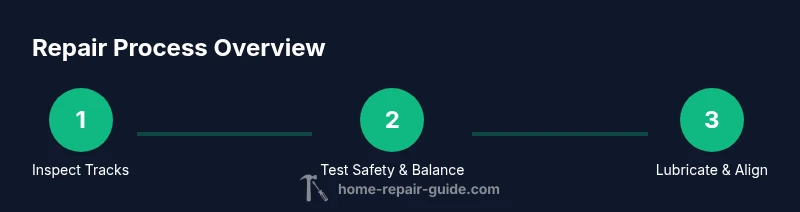
With the door closed, visually inspect the tracks for dents, obstructions, and loose mounting screws. Clean any debris with a dry brush and check track alignment with a level. Verify rollers glide smoothly and reseat if they stick. This establishes a baseline and prevents surprises during later steps.
Tip: Do not force misaligned tracks; tighten mounting screws evenly when needed. - 2
Disconnect power and test balance
Unplug the garage door opener or switch off the circuit to prevent unexpected movement. Manually lift the door to about halfway; if it stays put, balance is likely okay. If it drops or rises, springs or cables may be out of balance and require professional attention.
Tip: Never place a foot under the door when testing balance. - 3
Lubricate moving parts
Apply a light coat of silicone-based lubricant to hinges, rollers, and the straight-through parts of tracks. Wipe away any excess to prevent drips. Do not lubricate torsion springs as this can mask wear and create slip hazards.
Tip: Use sparing amounts; too much lubricant can attract dust and grime. - 4
Test opener limits and sensors
Reconnect power and run the opener with a remote. Confirm the door closes fully and doesn’t trap or reverse unexpectedly. If needed, adjust the limit screws per manufacturer guidelines and ensure the photo-eye sensors are aligned and unblocked.
Tip: Test sensors by placing a small object in the path to verify stoppage. - 5
Address minor fixes
Tighten loose hardware, replace cracked weatherstripping, and reseat any loose rollers. Focus on non-spring components first to improve reliability without introducing high-risk work.
Tip: Document any wear and plan replacements in advance. - 6
Decide when to call a professional
If you observe broken springs, frayed cables, significant track damage, or persistent unbalancing, stop DIY work and contact a licensed technician. Safety must come first with high-tension components.
Tip: Keep a photo log and symptom list for the tech. - 7
Document and plan next steps
Record what you checked, what you found, and the actions you took. Create a simple maintenance schedule to follow through the year and share the notes with a professional if repairs escalate.
Tip: Set calendar reminders for seasonal checks.
FAQ
Can I repair a garage door myself?
Basic maintenance and small adjustments can be safe for many homeowners. Major components like torsion springs or cables require professional service.
Basic maintenance is okay for DIY, but springs and cables should be handled by a pro.
Is it safe to adjust torsion springs myself?
No. Torsion springs are dangerous and require specialized tools and training.
Don’t attempt torsion spring adjustments yourself.
How do I know if my opener is failing?
Look for slow response, unusual noises, or door not staying closed. Test safety sensors and limits regularly.
If your opener misbehaves, test the sensors and limits, and consider a pro.
What maintenance should I schedule in Phoenix AZ?
Regular lubrication, track cleaning, weather seal checks, and annual professional inspections.
Keep up with lubrication and inspection, especially during monsoon season.
Do I need permits for garage door repairs?
Routine repairs typically don’t require permits, but rules vary by city; check local codes before major work.
Usually not, but verify with your local Phoenix codes.
What are signs that springs or cables are worn?
Visible gaps, frayed cables, uneven movement, or heavy door are indicators to call a pro.
Watch for heaviness, unusual noises, or visible damage.
Watch Video
Key Takeaways
- Inspect tracks and tighten hardware first
- Balance tests prevent unsafe repairs
- Call a pro for springs or cables
- Maintain a seasonal maintenance log