Foundation Crack Repair: Step-by-Step Home Guide
Learn to identify, assess, and repair foundation cracks safely. This step-by-step guide covers DIY options for non-structural cracks, professional methods for structural movement, safety considerations, and monitoring for long-term durability.


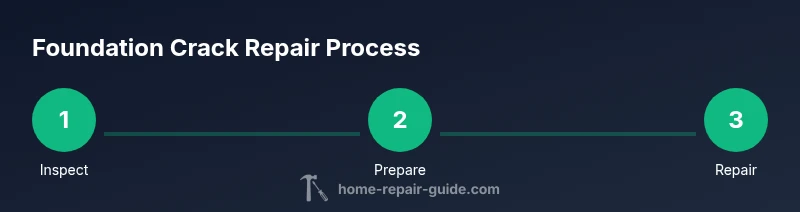
Foundation crack repair begins with identifying whether a crack is cosmetic or structural, and whether movement is ongoing. You’ll learn where to inspect, how to prepare the area, choose a repair method (epoxy or polyurethane injections for structural cracks; caulk or hydraulic cement for non-structural), and how to monitor the crack after repair. This guide also covers safety and cost considerations.
Understanding Foundation Cracks
Foundation cracks are common in many homes, but not all cracks carry the same risk. Hairline cracks in poured concrete walls often result from normal drying and temperature fluctuations and are usually cosmetic if they remain stable. Diagonal or horizontal cracks, wide openings, or cracks that appear to widen over time can signal structural movement or hydrostatic pressure. The location matters too: cracks on basement walls, slab-on-grade edges, or exterior foundation walls may reveal different stress patterns. As you assess cracks, keep in mind that even small cracks can widen if drainage around the foundation is poor, if the soil settles unevenly, or if freeze-thaw cycles occur in your climate. According to Home Repair Guide, distinguishing cosmetic from structural cracks early can prevent bigger problems later. Look for signs beyond the crack itself, such as doors or windows sticking, sloping floors, or water intrusion, which often accompany structural movement. Document patterns with photos and keep a simple movement log for comparison over weeks or months. This initial classification sets the stage for choosing an appropriate repair path and whether you should engage a professional for a more thorough evaluation.
Safety First: When to Seek Professional Help
Repairing foundation cracks can involve heavy equipment, structural assessment, and potentially dangerous conditions if the building is shifting. Safety should come first. If you notice continuous cracking that seems to migrate across walls, cracks that run through multiple planes, or cracks that increase after heavy rains or freezing temperatures, pause any DIY approach and call a licensed structural contractor or engineer. If you have compromised electrical or plumbing systems near the crack, or if the crack intersects with a known area of water intrusion, professional supervision is strongly advised. Wearing appropriate PPE, keeping children and pets away from the work zone, and ensuring proper lighting and ventilation are essential, especially when working with epoxy or polyurethane injections that can generate heat during curing. The Home Repair Guide team emphasizes caution: structural issues demand careful evaluation and proper remediation to avoid unsafe failure modes.
Diagnostic Steps: Mapping and Monitoring Cracks
A systematic diagnostic approach helps you identify crack behavior over time. Start with a simple map: mark the crack with a chalk line, note its length, width, and orientation, and photograph from multiple angles. Measure width with a crack gauge or a precise ruler; compare measurements at regular intervals (weekly for the first month, then monthly). Observe whether the crack remains the same, widens, or changes direction. Track related symptoms such as doors sticking, floor hearting, or drywall cracks away from the initial line. Use ledger lines on interior walls to determine if movement is uniform or localized. If you see new, additional cracks forming or existing ones widening after rainfall, this indicates ongoing hydrostatic pressure or settlement and may require a different repair strategy. This diagnostic phase informs your repair choice and helps justify whether professional assessment is warranted.
Repair Methods Overview: Epoxy, Polyurethane, and More
Repair approaches fall into several families, depending on the crack’s nature and the underlying cause. For non-structural, cosmetic cracks, a simple sealant or polyurethane caulk may be enough and can prevent moisture ingress. Structural cracks often require injectables: epoxy injections for rigid, load-bearing cracks that have stopped moving, or polyurethane injections for cracks experiencing movement or moisture. In some cases, mechanical reinforcement such as carbon fiber straps or wall anchors provides stability for long-running cracks where movement cannot be fully reversed. Exterior repairs might involve hydraulic cement or polyurethane injections from the outside, followed by proper waterproofing measures. Drainage improvements—grading, downspouts, and exterior drainage systems—reduce pressure against the foundation and help keep repairs durable. The goal is to restore the wall’s integrity, control moisture, and prevent future deterioration without introducing new failure modes. A cautious approach considers local climate, soil type, and the structure’s age, and aligns with Home Repair Guide recommendations for staged, code-compliant work.
Preparation for Repair Work: Site Setup and Planning
Preparation is half the battle. Begin by clearing access to the crack from both interior and exterior sides if possible. Protect interior finishes with drop cloths, and seal off the work area to minimize dust and debris. Gather required tools and materials, including appropriate injection kits, sealants, and safety gear. Ensure the area is dry and well-ventilated; plan for cure times and weather windows if you’re using epoxy or polyurethane that require clean, dry surfaces. Read manufacturer instructions for mixtures, pot life, and curing temperatures, and plan to work in small sections to maintain control. Label each crack and its corresponding diagnostic notes so you can track whether multiple cracks behave similarly or differently. This phase also involves coordinating with any nearby professionals if the inspection reveals complex or structural issues.
Maintenance and Monitoring After Repair
Once repairs are complete, establish a maintenance routine to ensure long-term performance. Schedule periodic inspections—especially after heavy rain, drought, or freeze-thaw cycles—to check for reappearance or new cracking. Maintain proper landscape drainage and keep gutters and downspouts directed away from the foundation. Revisit crack measurements and update your movement log, noting any changes in width or pattern. If you see progressive movement, reopen the assessment with a professional. Document all repairs with photos and notes for future reference. Long-term durability depends on effective crack sealing, moisture control, and addressing underlying soil or drainage issues that caused the movement in the first place. By staying proactive, homeowners can minimize recurring damage and protect the structural health of the home.
Authority Sources and References
The information in this guide draws on standard industry practices and safety guidelines. For additional expert perspectives, you can consult established sources such as university extension services and federal safety and housing resources. Always cross-check recommendations with local building codes and a licensed professional before undertaking structural repairs. Here are a few authoritative places to start: the U.S. Department of Housing and Urban Development (HUD) for housing safety guidelines; university extension programs that publish practical home repair guidelines; and safety standards from OSHA to ensure proper handling of materials and protective equipment.
Practical Next Steps for Homeowners
If you’re unsure about the crack’s significance, start with a careful assessment and documentation as described above. For cosmetic or very narrow cracks, you can proceed with non-structural sealants and monitoring. If movement is suspected or if you observe widening or associated symptoms (sticking doors/windows, sloping floors), plan a professional evaluation. Gather reliable product information, keep a detailed repair log, and consider a phased approach to avoid overexposure to strong chemicals in a single session. Finally, incorporate drainage improvements into your plan to reduce future hydrostatic pressure. The Home Repair Guide team recommends a cautious, staged approach that prioritizes safety and long-term stability. Remember: prompt action and proper materials lead to better outcomes and fewer headaches later.
Tools & Materials
- PPE: safety glasses, gloves, dust mask or respirator(N95 or better; ensure full face protection for spraying products)
- Hammer drill with masonry bit(1/4" to 3/8" bits; use for cleaning channels)
- Chisel and wire brush(Remove loose material and create clean crack edges)
- Vacuum or shop vac(Clean dust and debris before sealing/injecting)
- Concrete epoxy injection kit(Follow manufacturer mix ratios and cure times)
- Polyurethane injection kit(Use when movement or moisture is present)
- Hydraulic cement or crack sealant(Exterior patches or initial gaps before sealants)
- Concrete crack filler/caulk(Finish seal to prevent moisture ingress)
- Crack mapping tools (chalk, measuring tape)(Mark and track crack width and length)
- Drop cloths or plastic sheeting(Protect floors and finishes during work)
- Work lights(Improve visibility in dark basement corners)
- Caulking gun and sealant cartridges(For exterior or interior finishing touches)
Steps
Estimated time: 3-6 hours
- 1
Assess crack movement and document
Identify crack pattern, width, length, and location. Photograph from multiple angles and map changes over time. Create a simple log with dates to track movement.
Tip: Use a dedicated folder on your phone or cloud storage to keep all photos organized by date. - 2
Prepare the site and safety gear
Clear the area, protect floors with drop cloths, and ensure adequate lighting. Put on PPE and ensure kids/pets are out of the workspace. Verify ventilation if using adhesives.
Tip: Keep a taped checklist nearby to verify all safety steps before starting. - 3
Choose the repair method
Decide between epoxy injection for structural cracks and polyurethane for cracks that move or leak moisture. Exterior cracks may require drainage improvements and waterproofing prior to sealing.
Tip: Document your crack type and movement data to justify the chosen method. - 4
Prepare and clean the crack
Use a wire brush to remove loose material. Vacuum the crack to remove dust. Dry the surface completely to ensure proper adhesion of sealants or injectables.
Tip: A dry, clean crack yields stronger, longer-lasting repairs. - 5
Inject or seal the crack
Follow product directions for epoxy or polyurethane injections. Inject from the lowest point upward if possible. For non-structural cracks, apply hydraulic cement and finish with sealant.
Tip: Work in short intervals to manage curing times and monitor crack behavior. - 6
Finish and set up monitoring
Backfill if needed, patch and repaint surfaces. Establish a monitoring schedule—monthly checks during the first quarter and after heavy weather. Update your crack movement log with new measurements.
Tip: Keep a visual record to compare future crack behavior and verify stability.
FAQ
What is the difference between structural and non-structural foundation cracks?
Structural cracks indicate movement and may affect the building’s integrity, requiring professional assessment. Non-structural cracks are typically cosmetic or minor shrinkage, often repairable with sealants.
Structural cracks imply movement and safety concerns; non-structural cracks are usually cosmetic but should still be monitored.
Can I repair foundation cracks myself?
Small, non-structural cracks can often be addressed with sealants or basic crack fillers. For structural movement or active cracking, professional evaluation and repair are recommended.
DIY can work for minor cracks, but larger or moving cracks should be handled by a pro.
How can I tell if movement is ongoing?
Watch for widening cracks, diagonal patterns, doors or windows sticking or shifting, and cracking that appears after rain or freeze-thaw cycles. Regular measurements help identify trends.
If you see cracks getting wider or doors sticking more over time, movement may be ongoing.
What materials are used for repair?
Epoxy injections fix structural cracks; polyurethane injections tolerate movement and water; hydraulic cement can seal exterior gaps before sealing. Choose based on crack behavior and moisture conditions.
Epoxies for structure, polyurethanes for movement and moisture, and exterior sealing materials as needed.
When should I hire a structural engineer?
If cracks are wide, expanding, or accompanied by settlement signs, or if movement is uncertain, seek a structural engineer’s assessment before proceeding.
Call a structural engineer if movement is suspected or if cracks keep growing.
Will foundation crack repairs stop water intrusions?
Repairs to cracks reduce direct leakage paths, but persistent moisture often requires drainage improvements and exterior waterproofing to fully solve basement moisture problems.
Crack repairs help with leakage but you may need drainage and waterproofing to fully solve moisture issues.
Watch Video
Key Takeaways
- Identify crack type before repair and classify risk
- Choose epoxy for structural, polyurethane for movement/moisture
- Clean, dry, and prepare crack edges for best adhesion
- Monitor crack movement after repair to ensure durability
- Address drainage and moisture management to reduce future movement