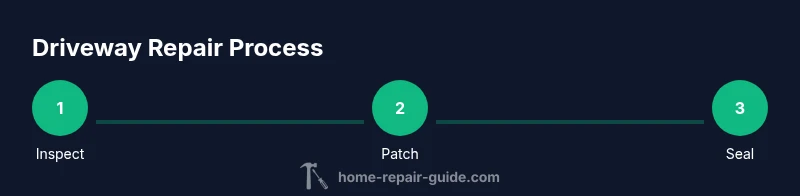
Driveway Repair: A Step-by-Step DIY Guide for Long-Lasting Pavement
Practical, step-by-step driveway repair methods for asphalt and concrete, plus sealing and maintenance tips to extend life and protect your investment.


By following this guide, you will learn to diagnose common driveway damage, choose the right patching method, and perform a durable patch that lasts. This tutorial covers asphalt and concrete driveways, surface prep, patching, sealing, and maintenance. Before you start, gather basic tools and materials, and plan for curing time to maximize longevity.
Understanding driveway wear and common failure modes
Driveways endure weather, vehicle loads, and freeze-thaw cycles. The most common issues are surface cracks, scaling and potholes in asphalt, hairline cracks and spalling in concrete, and edges that crumble or heave. The right repair method depends on the pavement type, the size of the damage, and the expected traffic. Recognize early signs: wide cracks (often wider than a pencil), standing water or poor drainage, and crumbling edges. Addressing small cracks early is cheaper and often extends the life of the surface. According to Home Repair Guide, early intervention and selecting the correct patching approach can dramatically reduce the need for full resurfacing. This quick diagnostic framework helps homeowners decide whether to patch, seal, or plan a longer-term resurfacing project. Also consider climate impacts; in freeze-thaw regions, gradual repaving may be necessary to prevent recurring damage.
Clinical observation aside, establish a baseline by measuring crack widths and noting pothole depths. Keep photos with dates for future reference, especially if you plan to coordinate professional services later. The goal is to prevent water infiltration and reduce trip hazards while preserving the underlying subgrade. By understanding how wear progresses, you can time interventions for the best results and avoid premature, costly mistakes.
Asphalt vs concrete: choosing the right repair approach
Asphalt driveways typically respond to patching and sealing, while concrete surfaces may require crack sealing, epoxy or polyurethane injections for structural cracks, or resurfacing. For asphalt, cold patch material provides a temporary fix that can harden over time when compacted properly. For concrete, small cracks (less than 1/8 inch) can often be sealed with flexible crack fillers, while larger cracks call for polymer-modified cement patch or epoxy systems. The Home Repair Guide methodology emphasizes matching materials to substrate, traffic, and climate. If the patch is in a high-traffic lane or a wheel path, you may need a thicker patch or a microsurfacing layer to span the crack and prevent recurrence. In both materials, ensure the patch area is flush with surrounding surfaces to avoid water pooling.
Keep in mind that concrete patches may differ in color and texture from the surrounding slab, and you may need to re-color or seal for uniform appearance. When in doubt, test a small patch in a hidden area before committing to larger repairs. If structural damage is suspected—such as extensive voids under the surface or signs of subgrade failure—engage a professional for assessment, since improper repair can worsen the problem. Routine patching and timely sealing remain the most cost-effective ways to extend pavement life.
Surface prep and safety prerequisites
Successful driveway repair begins with thorough surface preparation and proper safety measures. Start by removing loose material, dirt, oil, and weeds from cracks and potholes. A stiff broom or a power washer helps achieve a clean, dry surface. Depending on the patch material, you may need to dry the area completely for several hours or overnight; moisture can prevent patch adhesion and compromise cure times. Personal protective equipment is essential: wear gloves, safety glasses, and a dust mask when sanding, cutting, or grinding. If you work in hot or sunny conditions, plan for shade breaks and stay hydrated. Clear the surrounding area of vehicles and bystanders during patch application to avoid deforming the patch. According to Home Repair Guide, a clean, dry, and well-prepared surface is the single biggest determinant of patch longevity. Good prep reduces the risk of patch pop-out and allows sealants to bond effectively.
Patch methods for common issues
Cracks: For hairline cracks, use a flexible crack filler that can expand and contract with temperature changes. Wider cracks benefit from primer or tack coat followed by a patch compound designed for movement. Potholes: Remove loose debris, compact the base with a hand tamper, fill with patch material, and compact in layers. For asphalt, start with a slim layer of patch, then add material until the surface is even. For concrete, apply patch material to the depth of the crack or pothole, screed to level, and smooth with a trowel.
Edge repairs: Patch along the edge to prevent water intrusion that can undermine the subgrade. If gravel or soil is present, add a compacted base before patching to provide structural support. Finishing touches include feathering the edges to blend with the surrounding surface and preventing future edge deterioration. Finally, consider a surface sealant or topical coating after patches cure to lock in the repair and reduce moisture infiltration.
Curing, sealing, and long-term maintenance
Curing times vary with material and weather. Asphalt patches often cure within 24–72 hours to handle light traffic, but full cure can take several days. Concrete patches may take longer, depending on temperature and humidity. After patches cure, seal coats are recommended to protect against water, UV exposure, and chemical spills. Sealers come in solvent-based or water-based formulations; your choice should consider climate, traffic, and desired appearance. Regular sealing intervals—typically every 2–5 years for asphalt and every 3-5 years for concrete—help maintain surface integrity. Routine maintenance also includes cleaning spills promptly, monitoring for new cracks, and addressing drainage issues to prevent water pooling that accelerates deterioration.
Homeowners should keep a simple maintenance calendar and document repairs with photos. A proactive approach reduces the need for major resurfacing later. The Home Repair Guide team emphasizes that consistent monitoring and timely sealing are the most effective ways to maximize return on investment and extend pavement life.
Cost-saving strategies and when to hire a pro
DIY driveway repairs can be significantly cheaper than full resurfacing, but costs vary by material, repair size, and local labor rates. If damage is localized to a few cracks or minor potholes, patching and sealing can be a cost-effective, durable fix. For larger areas, subsidence, or widespread cracking, a professional assessment may be necessary to determine whether a simple patch is a temporary measure or part of a broader resurfacing plan. When determining whether to hire a pro, consider your time, skill level, and climate-related demands. The Home Repair Guide analysis shows that professional assessment can prevent recurring failure and can help you choose between patching, resurfacing, or overlay options. In some cases, staged repairs over several seasons may be the most economical path to a durable result, especially in areas with heavy freeze-thaw cycles.
To maximize savings, plan repairs during favorable weather windows, reuse existing materials when possible, and compare contractor bids that include surface preparation, patching, and sealing. Being precise about material choices and surface prep can dramatically affect longevity and performance, reducing the likelihood of repeated repairs.
Preventive maintenance plan for a durable driveway
Establish a simple preventive routine to extend the life of your driveway. Each season, inspect for new cracks, shrinkage, or drainage issues. Keep the surface clean to prevent abrasive wear from dirt and sand. Address minor issues promptly, seal exposed patches, and re-apply sealant as recommended by the patch material manufacturer. Maintain proper drainage by ensuring downspouts and grading direct water away from the surface. A proactive strategy reduces expensive repairs and keeps your driveway looking and functioning well for years. The Home Repair Guide team recommends documenting all maintenance activities and scheduling semi-annual inspections to catch issues early.
Quick-start checklist for patching success
- Identify pavement type (asphalt or concrete) and damage size
- Gather appropriate patch materials and tools
- Clean, dry, and prime the repair area
- Apply patch in layers, compacting between applications
- Allow adequate curing time before sealing
- Seal the patched area and monitor for new cracks
Tools & Materials
- Safety gear (gloves, safety glasses, dust mask)(PPE for grinding, cutting, patching; choose ANSI-rated eye protection)
- Pressure washer or stiff broom(Use to remove dirt, oil, and debris for clean adhesion)
- Patching material (asphalt cold patch or concrete patch)(Select based on pavement type; for large potholes use multiple passes)
- Crack filler or epoxy/urethane injection kit(Flexible filler for movement; epoxy for structural cracks (concrete))
- Trowel, margin trowel, or putty knife(Smooths and feather edges; small patches need precise tooling)
- Hammer drill with chisel bit or cold chisel(Helpful for removing loose material and widening cracks when needed)
- Measuring tape and marker(Document dimensions for patch planning)
- Vacuum or shop broom(Clean up dust after sanding and patching)
Steps
Estimated time: 2-4 hours (plus curing time)
- 1
Assess and plan
Survey the damage and determine whether patching, sealing, or resurfacing is appropriate. Identify patch areas, estimate surface area, and select compatible materials. Create a simple plan with a step-by-step sequence and a rough timeline.
Tip: Document damage with photos for reference and future needs. - 2
Prepare the surface
Remove loose debris, oil, and vegetation. Clean the area with a pressure washer or stiff broom and allow to dry completely. A clean surface is critical for patch adhesion and durability.
Tip: Avoid patching on damp or wet surfaces to prevent poor bonding. - 3
Mix and apply patch material
Mix patch material according to product instructions. For asphalt, apply in thin layers and compact after each layer; for concrete, fill cracks and depressions, then smooth with a trowel.
Tip: Apply in thin layers to prevent sagging and ensure proper bonding. - 4
Level and feather the edges
Use a straightedge or trowel to feather the edges so the patch blends with the surrounding surface. Remove excess material and ensure a level surface to prevent water pooling.
Tip: Aim for a slight crown in hot weather to shed water away from the patch. - 5
Cure and protect the patch
Allow the patch to cure for the recommended time before opening to traffic. If needed, cover to protect from rain or rapid drying. Seal the patched area once fully cured as directed by product guidelines.
Tip: Avoid heavy traffic until the patch reaches a stable cure. - 6
Seal and schedule maintenance
Apply a pavement sealant after curing to reduce moisture ingress and UV damage. Schedule periodic inspections to catch new cracks early and maintain surface integrity.
Tip: Record the date of sealing and plan the next maintenance window.
FAQ
What is the best patch material for an asphalt driveway?
For asphalt, cold patch is a practical choice for potholes and larger cracks. It should be tamped and compacted to a level surface. For smaller cracks, an asphalt-compatible crack filler keeps them from widening. Always follow product instructions for the best bond and longevity.
For asphalt driveways, use cold patch for potholes and an asphalt crack filler for cracks. Compact well and follow the product directions for best results.
Can a DIY patch really last as long as professional resurfacing?
DIY patches work well for localized damage and can last several years if properly installed and maintained. However, extensive cracking, severe subgrade issues, or large-area damage may require professional resurfacing or overlay for a durable, long-term solution.
DIY patches can last for years if installed correctly, but widespread damage may need a pro for a lasting fix.
How long should I wait before sealing after patching?
Sealing should occur after patches have fully cured, which is typically a few days to a week depending on material and weather. Check the product guidelines and ensure the surface is clean and dry before applying sealant.
Wait for full cure per product instructions, then seal the patch once dry and clean.
Is it safe to patch a driveway when it is wet or freezing?
Patching in wet or freezing conditions is not recommended because moisture and temperature extremes compromise adhesion and curing. Choose a dry, moderate-weather window for best results.
No—patch when the surface is dry and temperatures are moderate for best results.
What maintenance steps reduce future cracking?
Regular cleaning, prompt sealing, and addressing drainage issues reduce moisture intrusion. Schedule routine inspections, address small cracks early, and consider crack fillers or sealants designed for movement and weather conditions.
Keep the surface clean, seal cracks early, and ensure proper drainage to prevent new cracks.
Watch Video
Key Takeaways
- Identify pavement type and damage early
- Prep surface thoroughly for durable patching
- Patch in layers and seal after cure
- Maintenance extends patch life and delays resurfacing
- When in doubt, seek professional assessment