Blacktop Driveway Repair: A Practical DIY Guide for Homeowners
Learn how to repair a black top driveway with step-by-step instructions, essential tools, safety tips, and maintenance guidance to extend the life of your asphalt surface.


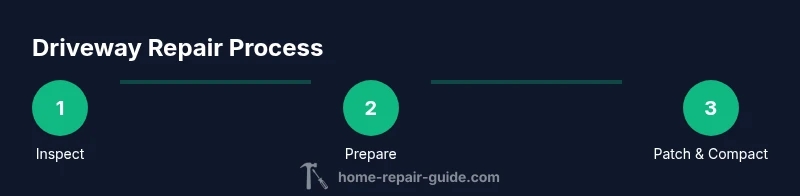
By following this guide, you’ll complete a black top driveway repair that seals cracks and patches potholes, restoring a safer, smoother surface. You’ll learn when patching is appropriate, which materials to use, and how to compact the patch for durability. A dry day and basic asphalt repair kit are all you need to get started, with longer-term maintenance tips included.
What is black top driveway repair and why it matters
Black top driveway repair encompasses sealing cracks, filling potholes, and restoring a smooth, safe surface for vehicles and pedestrians. Proper repair preserves the asphalt base, limits water intrusion, and extends the life of your driveway. According to Home Repair Guide, starting with a thorough surface assessment and selecting the right patching method can save time and money in the long run. The goal is durable restoration that withstands freeze–thaw cycles and regular traffic, not a cosmetic fix. In many homes, small crack sealing and patching can dramatically reduce trip hazards and prevent larger, costlier damages later. For the DIY homeowner, understanding when to seal, patch, or depth-patch is essential to achieving a long-lasting result. This section introduces typical repair scenarios and how they guide material choices, so you can plan effectively before you pick up a trowel or patch kit. The emphasis is on practical, evidence-based steps that deliver real, durable improvement to your driveway’s performance.
wordCount
Tools & Materials
- Cold patch asphalt mix(Choose a patch material labeled for driveways; bagged cold patch works well for potholes up to a few inches deep)
- Crack filler (asphalt-based)(Use for narrow cracks; squeeze or pour-in type works best for 1/8–1/4 inch cracks)
- Tack coat or primer (optional)(Helps patch materials bond to existing asphalt; not always necessary on clean surfaces)
- Broom or stiff brush(For sweeping away debris before patching)
- Putty knife or asphalt knife(For smoothing patch edges and working patch material into corners)
- Tamper or hand roller(Essential for compacting patch material to remove air pockets)
- Shovel and/or scoop(Use to load patch material into potholes and cracks)
- Safety gear (gloves, safety glasses, long sleeves)(Protect skin and eyes from bitumen and dust)
- Water and a stiff brush (for cleaning)(Only needed if area is very dirty; allow to dry fully after cleaning)
- Sealant or asphalt sealer (optional, for maintenance)(Apply after full cure to extend life; not required for initial patch)
Steps
Estimated time: Active work: 2-4 hours; plus cure 24-48 hours
- 1
Gather materials and safety gear
Assemble patch materials, crack filler, commensurate tools, and PPE. Check weather to ensure dryness and temperatures above 50°F (10°C) for the patch to cure properly. Clear the work area of vehicles, leaves, and debris before you begin.
Tip: Having everything ready reduces on-site delays and helps maintain a clean, effective patch. - 2
Clean and dry the surface
Sweep the driveway thoroughly and remove loose material. For stubborn dirt, use a stiff brush and, if available, a light rinse followed by full drying. A clean, dry surface improves adhesion and patch durability.
Tip: Avoid leaving moisture or dust under patches; even small grit can cause peeling. - 3
Remove loose material and define edges
Chisel away any loose asphalt around cracks and potholes to create a solid, stable edge. Break away crumbling material and widen the crack slightly if needed to ensure patch material bonds well.
Tip: Rough, stable edges help the patch adhere better and reduce edge crumbling. - 4
Apply crack filler or patch material
For cracks, apply filler into the crack using a squeezable tube or pour-in rate, then smooth with a putty knife. For potholes, place cold patch material level with surrounding pavement and overfill slightly to allow compaction.
Tip: Overfill slightly to account for compression during tamping. - 5
Compact and level the patch
Use a hand tamper or roller to compact the patch material in layers, removing air pockets and pushing the patch to the surrounding height. Ensure the surface is level with adjacent asphalt.
Tip: Work in thin layers if patching deep potholes to avoid air voids. - 6
Cure and finish
Allow the patch to cure as recommended by the product instructions, typically 24–48 hours for basic patches in dry conditions. If you plan to seal, wait longer until the patch is fully set.
Tip: Keep traffic away from the patch during cure to prevent movement.
FAQ
Is it worth repairing a small crack or pothole, or should I replace the driveway?
Small cracks and patches can extend the life of a driveway if addressed early. Widespread cracking, severe settlement, or extensive potholes may indicate underlying base problems that could require replacement or professional evaluation.
Small cracks and patches can extend life if addressed early; extensive damage may require replacement.
What weather conditions are best for asphalt patching?
Choose a dry day with temperatures above roughly 50°F (10°C) for patching. Avoid rain, high humidity, or freezing temperatures, which slow curing and reduce patch adhesion.
Patching should be done on a dry day with temperatures above 50 degrees Fahrenheit.
How long does patch material take to cure?
Most patch materials cure within 24–48 hours under normal dry conditions; full strength may take longer in cooler weather. Plan traffic around the patch accordingly.
Patch cures in 24 to 48 hours under normal dry conditions.
Can I repair large potholes myself, or should I hire a pro?
Small cracks and shallow patches are suitable for DIY repair. Large potholes or deep structural damage often require professional assessment and more advanced equipment like asphalt cold patches with proper compaction.
DIY is okay for small issues; large potholes may need a pro.
Should I seal the driveway after patching?
Sealing after patching can improve longevity and water resistance, but wait until the patch is fully cured to avoid trapping moisture. Sealant is best used as a preventative measure over a well-established surface.
Seal after the patch is fully cured for best results.
What are common mistakes to avoid during DIY blacktop repair?
Common mistakes include patching on a wet surface, skipping edge preparation, not compacting properly, and failing to cure before traffic. Following instructions and using appropriate tools reduces failure risk.
Avoid patching wet surfaces, improper edges, and skipping curing time.
Watch Video
Key Takeaways
- Assess damage before choosing a method.
- Use the right patch material for cracks vs potholes.
- Compact patches thoroughly to avoid air voids.
- Allow proper cure time and seal if desired.