Automatic Transmissions Repair: A Practical Homeowner Guide
Learn safe, practical steps for diagnosing and maintaining automatic transmissions at home. This Home Repair Guide tutorial covers fluid checks, leak detection, DIY limits, and guidelines on when to hire a professional.


Goal: perform safe, basic diagnostics and maintenance on automatic transmissions at home. You can inspect for leaks, check fluid level and condition, replace the transmission fluid filter where applicable, and perform minor adjustments. This guide also clarifies safety precautions, common DIY limits, and when to stop and consult a professional for more complex repairs.
Understanding automatic transmissions
Automatic transmissions use hydraulic control to shift gears via a torque converter and planetary gear sets. Maintenance relies on fluid health, proper cooling, and clean communication between the transmission, engine, and control module. According to Home Repair Guide, reliability starts with regular fluid checks and early symptom detection. A basic grasp of how the system operates helps you spot issues before they escalate, protecting both your vehicle and your wallet.
Common symptoms indicating trouble
Watch for slipping gears, rough or delayed shifts, or a transmission warning light. Unusual noises such as grinding or clunking, hesitation during acceleration, or transmission fluid leaks under the vehicle are red flags. If you notice burning smells or a drop in performance, stop driving and seek professional assessment. Early attention can prevent costly repairs and extend the life of the transmission.
Safety, prep, and limits of DIY work
DIY transmission work can be rewarding, but it carries risks. Never open hot lines or drains while the engine is warm; allow the system to cool to prevent burns and fluid burns. Use a stable work surface, chock wheels, and wear PPE including gloves and eye protection. For many modern vehicles, internal repairs require specialized tools and training; this guide focuses on safe inspections and non-destructive maintenance only.
Fluid basics: level, type, service intervals
Transmission fluid quality and level are critical for smooth operation. Always use the specification noted in your owner’s manual and verify color, odor, and viscosity. Fluids degrade over time and with heat, so follow the manufacturer’s service intervals. If you’re unsure of the correct fluid type, consult your manual or contact a qualified technician before refilling.
Diagnosing leaks and external issues
Check seals, gaskets, pan bolts, and cooler lines for signs of seepage. Leaks can lead to low fluid pressure, which causes shifting problems and overheating. Clean the area, run the engine briefly, and recheck with a dipstick or sight glass to localize the source. Address leaks promptly to prevent further damage and contamination of the transmission.
When to call a professional and how to plan the repair
If the symptoms persist after routine checks, or if you hear grinding, shuddering, or slipping under load, a professional diagnosis is recommended. Plan ahead by gathering vehicle service history, any warning codes, and a budget range. A trusted shop can perform diagnostics, replace worn components, and utilize factory-supported procedures to ensure proper repair.
Maintenance schedule and record keeping
Create a simple maintenance log that records fluid changes, filter replacements, and notable symptoms. Regular checks of fluid level and consistency help you detect changes over time. A proactive approach saves money and reduces the risk of major failures, keeping your vehicle reliable and safer on the road.
Tools & Materials
- Transmission fluid(Select the type specified by the vehicle manufacturer (e.g., Dexron/Mercon); verify compatibility in the manual.)
- Funnel(For clean pouring without spills.)
- Drain pan(Large enough to catch all old fluid; position under the pan plug.)
- Socket set(Assorted sizes, to remove drain and pan bolts.)
- Vehicle ramps or jack stands(Ensure the car is secure and level before work begins.)
- Gloves(Chemical-resistant; protect skin from hot fluid.)
- Safety glasses(Eye protection against splashes.)
- Rags or shop towels(Clean spills and wipe tools as needed.)
- Torque wrench(Useful for re-torquing bolts on certain filters or pans.)
- Replacement gasket/seal kit(Only if your model requires a new seal during pan removal.)
- Owner's manual or service manual(Verify fluid type, level method, and service intervals.)
Steps
Estimated time: 60-90 minutes
- 1
Prepare the workspace and safety measures
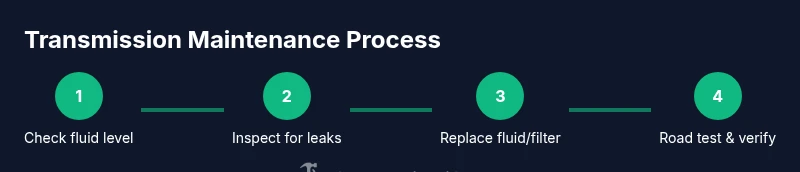
Secure the vehicle on a flat, stable surface and engage the parking brake. Put on PPE, and disconnect any battery cables if required by your procedure. Ensure the engine is cool to prevent burns and identify a safe drain path for fluids.
Tip: Place a protective mat and have a second person ready to assist if you need to lift or slide components. - 2
Check the service manual for correct fluid and procedures
Refer to the owner’s manual for the exact transmission fluid specification and the correct dipping method. Some transmissions require warming, others use a dipstick reading with the engine running. Do not improvise fluid types or levels.
Tip: If unsure, contact the manufacturer or a qualified technician before proceeding. - 3
Locate drain plug and prepare to drain
Position the drain pan beneath the transmission pan, remove the drain plug if present, and allow old fluid to drain completely. Do not remove pan bolts fully unless you plan to remove the pan and replace the gasket.
Tip: Slowly loosen bolts to avoid twisting the pan; have towels ready for a controlled drain. - 4
Replace the filter where applicable
If your model has a serviceable transmission filter, remove the old filter and install the new one according to the manual. Clean any gasket surfaces and reinstall with a new gasket if required.
Tip: Be prepared for some residual fluid; keep a drain pan beneath. - 5
Reassemble, refill, and level check
Reinstall the pan with the gasket and bolts. Refill with the correct fluid to the recommended level, following the manufacturer’s method (dipstick or level plug). Start the engine and run through the gears to circulate fluid, then recheck level.
Tip: Do not overfill; excessive fluid can cause foaming and pressure issues. - 6
Road test and verify leaks
Take a short drive to bring the transmission to operating temperature and verify smooth shifting. Inspect for leaks around the pan, plugs, and cooler lines during the test drive and after parking.
Tip: If leaks are present, stop and tighten or retighten the fasteners according to torque specs. - 7
Document maintenance and monitor
Record the service date, fluid type, and any symptoms observed. Monitor fluid color and level weekly for the next few weeks. If issues reappear, plan a professional assessment.
Tip: Keep a maintenance log handy for future reference and warranty considerations.
FAQ
Is it safe for a beginner to perform transmission maintenance at home?
Basic checks and fluid inspection can be safe for beginners when following the manual and using proper PPE. Avoid internal disassembly unless you have training and the right tools.
Basic checks are safe for beginners if you follow the manual and wear PPE; avoid disassembly unless trained.
What transmission fluids are recommended for most vehicles?
Most vehicles require a manufacturer-specified automatic transmission fluid. Always verify the exact specification in the owner’s manual or service bulletin before purchase.
Check your owner's manual for the exact fluid specification before buying.
Can I replace the transmission filter on every car?
Not all transmissions have a serviceable filter. If a filter exists, follow the manual for replacement steps and gasket reuse. If unsure, consult a professional.
Only replace if your model has a serviceable filter; otherwise consult a pro.
How do I know when to stop DIY work and hire a pro?
If symptoms persist after basic checks, or if you encounter grinding, slipping, or warning codes, stop and seek professional help. A professional can run diagnostic tests and replace worn components safely.
If symptoms persist or you see warning codes, hire a pro.
Will performing this maintenance void my vehicle warranty?
Some warranties may be affected by DIY work; check your warranty terms and consult the manufacturer or dealer if you’re unsure.
Check your warranty terms—consult the dealer if unsure.
What are common signs of transmission failure beyond slipping?
Signs include delayed engagement, harsh shifts, slipping at specific speeds, or a persistent dinging noise. Any persistent symptom warrants professional assessment.
Delayed or harsh shifts, or unusual noises, require a professional check.
Watch Video
Key Takeaways
- Understand the basics of how automatic transmissions operate.
- Know when DIY maintenance is appropriate and when to seek a pro.
- Follow manufacturer specifications for fluids and service intervals.
- Keep records to track performance and anticipate issues.