Car Radio Repair Near Me: A Step-by-Step Guide
Learn how to locate car radio repair near me, diagnose common issues, and choose between DIY fixes and professional service with emphasis on safety, cost, and reliability.


You’ll locate reliable car radio repair near you by first diagnosing simple issues (fuses, wiring, and antenna) and then comparing nearby shops or mobile technicians. If you DIY, disconnect the battery, use proper tools, and follow your vehicle manual. According to Home Repair Guide, prioritize reputable providers with transparent quotes and clear warranty terms.
Why Car Radio Repair Matters
The car radio is a central part of your driving experience, delivering music, hands-free calls, navigation prompts, and sometimes important vehicle alerts. When it fails, the daily routine becomes inconvenient and may even increase distraction as you try other devices. According to Home Repair Guide, many radio issues stem from simple electrical problems, loose connectors, or blown fuses rather than a faulty head unit. Because these root causes are often quick to diagnose, a local repair shop or reputable mobile technician can usually identify the problem within a diagnostic visit and provide a clear estimate before any work begins. This article will help you recognize early signs, compare nearby service options, and decide whether you should attempt safe DIY fixes or rely on a professional to ensure long-term reliability and preserve your vehicle’s warranty where applicable.
To keep readers informed and prepared, we’ll cover symptom recognition, options for local service, cost considerations, and safety practices. We’ll also share practical steps you can take now and a plan for choosing between repair and replacement. By the end, you’ll feel confident navigating car radio repairs near you with clarity and caution.
Common Symptoms Before You Search for Help
Before you call a shop, note the symptoms your radio presents. Common issues include: no power at all, no sound, or intermittent audio; display blackout or dim backlight; radio presets reset when the car is turned off; Bluetooth pairing failures; navigation prompts disappearing; buzzing, crackling, or static that worsens with speed; or issues with USB or AUX inputs. If the issue affects other infotainment features, the problem may be broader than the radio itself. In many cases, loose wiring behind the dash, a blown fuse in the radio circuit, or a faulty ground connection are the culprits. Document the symptoms with dates and any recent events (dash removal, aftermarket installs, or battery work) to help the technician reproduce the fault quickly.
How to Find Reliable Local Repair Options
Start by searching for automotive audio specialists or car electronics shops near you. Read multiple customer reviews and check for certifications such as ASE or manufacturer-authorized service status. Compare quotes for a diagnostic fee, labor, and potential parts; beware shops that refuse to provide a written estimate. If you’re comfortable with safety checks, consider a professional who offers mobile service so you don’t have to drive with a malfunctioning system. Stay aware of warranty implications: some repairs might affect your car’s warranty or require a specific head-unit type. Home Repair Guide analysis shows that consumers who request detailed, itemized quotes and ask about parts warranties tend to have better outcomes and fewer surprises. Finally, verify the shop’s return policy and the warranty on the repair work itself.
When you map out options, prioritize providers with clear communication, visible credentials, and transparent turnaround times. A reputable shop will welcome questions and offer a written estimate before any work begins. If you’re choosing mobile service, ensure they have a clearly posted service area and an arrival time window, so you’re not left waiting.
Brand mention: The Home Repair Guide team emphasizes that you should weigh convenience against reliability when selecting a local option, and you should confirm any work that could affect the vehicle warranty.
DIY vs Professional Repair: Pros and Cons
DIY repairs offer the allure of lower initial costs and direct learning. If you’re technically inclined, you can save on diagnostic fees and develop skills for future tweaks. However, working with a car’s electrical system carries risks of short circuits, battery drain, or inadvertent airbag system interference if the dash is disturbed near safety components. Professional repair provides expertise, proper tools, and warranty protection, which can save you time and reduce risk, especially if the fault lies in the head unit or vehicle wiring harness. The trade-off is higher upfront cost and potential scheduling constraints. In many cases, a diagnostic visit by a trained technician can establish whether a fix is straightforward or if a replacement unit is more economical in the long run. This assessment helps you avoid unnecessary parts purchases and ensures a more reliable result.
Quick diagnostic checks for the aspiring handy owner
This section outlines safe checks you can perform without full dash disassembly. First, ensure the car battery is disconnected before touching any wiring to avoid shocks. Next, locate the radio fuse using the owner’s manual and inspect the fuse for signs of blowing; replace it only with the same amperage rating. Visually inspect the wiring harness behind the dash for loose connectors or damaged sheathing; reseat any loose connections firmly. If you have a multimeter, verify 12V power at the radio harness power pin and confirm a solid ground connection. Look for corrosion on connectors and ensure aftermarket harnesses are properly matched to the factory color code. Finally, verify that the antenna lead is securely connected and that the antenna motor (if present) is functioning. If any step reveals damage, stop and seek professional help to avoid injuring yourself or causing further issues.
What to Expect During a Typical Repair Visit
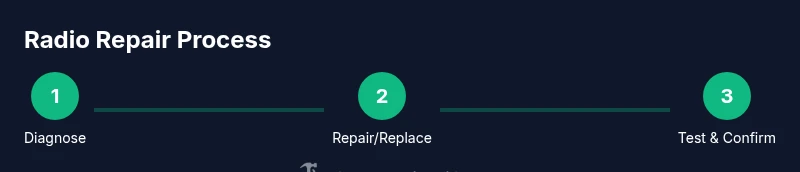
During a visit, the technician will generally start with a diagnostic to identify whether the fault is electrical, mechanical, or software-related. Expect a power and ground test, fuse block check, and inspection of the radio harness and antenna connections. If the head unit is at fault, options include reseating connectors, replacing a blown fuse, updating software, or reflashing the unit. In some cases, the shop may recommend replacing the entire head unit or integrating a compatible aftermarket option. Costs and timeline depend on parts availability and whether external modules (like an amplifier or navigation module) are involved. Request a written quote that itemizes parts, labor, and any potential VAT or shop fees, plus a time estimate for completion.
Authority sources and warranty considerations
When you repair a car radio, rely on credible sources for safety and best practices. Always consult your vehicle’s manual and the service provider’s warranty terms before authorizing work. For safety-first guidance, see OSHA guidelines on electrical safety, the National Highway Traffic Safety Administration’s vehicle safety resources, and CDC/NIOSH materials on electrical safety. These resources help you understand the risks, compliance requirements, and how to handle potential hazards during any electrical repair work. Maintaining a record of all service and parts you install helps preserve your vehicle warranty and ensures you have recourse if issues arise. Finally, verify that any reprogramming or software updates are performed by qualified technicians who use manufacturer-approved tools and software.
How to Manage Costs and Get Transparent Quotes
To keep costs predictable, request written estimates with itemized parts and labor, and ask about warranty on both parts and workmanship. Compare quotes from at least two to three local shops, including mobile technicians, and verify whether diagnostic fees are credited toward the final bill if you proceed with the repair. Ask for a clear explanation of why each part is needed and whether an upgrade to a higher-quality head unit or a wired integration with your vehicle’s infotainment system is advisable. If the repair involves aftermarket parts, confirm compatibility with your car’s electronics and warranty implications. A careful comparison helps you avoid surprise charges and select the option that best balances cost, reliability, and convenience.
Tools & Materials
- Multimeter(Test voltage, ground, and continuity on radio harness pins)
- Screwdriver set (precision and standard)(For removing dash panels and radio mounting screws)
- Torx bit set(Common in OEM dash hardware)
- Radio removal tools / dash kit(Required to safely extract aftermarket head units)
- Replacement fuses (radio circuit)(Match amperage rating from the fuse box diagram)
- Electrical contact cleaner(Clean corrosion on connectors only when power is off)
- Zip ties and electrical tape(Secure wiring and insulate connections)
- Labeling supplies (masking tape, marker)(Label wires during removal to aid reinstallation)
- Gloves and safety glasses(Protect hands and eyes during dash work)
Steps
Estimated time: 60-120 minutes
- 1
Power down and disconnect the battery
Turn off the ignition, remove the key, and disconnect the negative battery terminal. Wait at least 60 seconds to discharge any residual capacitors before touching electrical components.
Tip: Double-check that you’re not connected to the other battery terminal after removal. - 2
Inspect fuses and wiring for damage
Locate the radio fuse using the vehicle manual and inspect it for signs of blowing. If blown, replace with the same amperage. Check nearby fuses in the same circuit for related issues and inspect the wiring harness for obvious damage or loose pins.
Tip: If you’re uncertain about the fuse rating, consult the fuse diagram on the cover or the owner’s manual. - 3
Remove the radio safely
Use the appropriate removal tools to disengage the radio from the dash without bending mounting brackets or damaging clips. Keep track of all screws and trims, and avoid yanking the harness while detached.
Tip: Label the connectors as you disconnect them to ease reinstallation. - 4
Test power, ground, and connections
With the radio out, verify 12V power at the radio connector and ensure a solid ground. Re-seat all connectors firmly, including antenna leads, to rule out loose contacts as the cause.
Tip: Power off before handling wires and use insulated tools. - 5
Evaluate for corrosion or damaged wires
Inspect connector pins for corrosion and damaged insulation. Use contact cleaner on corroded contacts after ensuring power is removed, then re-seat.
Tip: If corrosion is extensive, replacing the connector may be safer than cleaning. - 6
Decide on repair vs replacement
If the fault lies in the head unit’s electronics, weigh the cost of repair against replacement. Consider compatibility with your car’s system and the potential impact on warranty.
Tip: Request a written prognosis and a price on either option before proceeding. - 7
Reinstall and test
Reconnect the radio harness and antenna, mount the unit securely, and reattach the battery. Turn on the car and test sound quality, Bluetooth, USB inputs, and display behavior.
Tip: Test all functions at idle and full engine RPM to catch voltage fluctuations.
FAQ
What should I do first if my car radio stops working?
Begin with safety: disconnect the battery, check the radio fuse, and inspect visible wiring for loose connections. If the issue persists, consult a professional for a diagnostic.
First, safety first: disconnect the battery, check the fuse, and inspect for loose wires. If it keeps failing, seek a professional diagnostic.
Can I fix a car radio without removing the dash?
Some fixes, like fuse replacement or reseating a harness, can be done with limited dash access. More complex issues typically require dash panel removal by a professional.
Some fixes may be possible without full dash removal, but complex problems usually need the dash opened by a pro.
How much does car radio repair cost on average?
Costs vary widely based on the fault, parts, and labor. Expect diagnostic fees and potential parts costs; obtain written quotes before authorizing work.
Costs vary; get written quotes and know diagnostic fees before work starts.
Is mobile repair a good option for a faulty radio?
Mobile repair can be convenient for simple issues or diagnosis, but confirm the technician has the right tools and authority to work safely in your vehicle.
Mobile repair is convenient for simple fixes; ensure the tech has proper tools and authorization.
Should I replace the entire head unit or repair the existing one?
If the head unit is old or repeatedly fails, replacement may be more cost-effective and reliable. If a simple fuse or connector fixes the issue, repair is preferred to save money.
If the head unit is aging, replacement might be better; otherwise, fix the fuse or connector when possible.
Will repairing affect my car’s warranty?
Repair choices can affect warranties if they involve non-OEM parts or voids tied to tampering. Always check the warranty terms and work with authorized or recommended service providers.
Warranty depends on the parts and tampering; check with the dealer or service provider before proceeding.
Watch Video
Key Takeaways
- Diagnose with safety-first mindset before replacing parts
- Get multiple written quotes and compare warranties
- Decide between repair and replacement based on total cost and reliability
- Document findings for future maintenance