Cost Roof Repair: Estimates, Causes & Budgeting Guide
Explore cost roof repair estimates, key price drivers, and practical budgeting tips to plan durable fixes. Learn when to repair vs. replace and how to compare contractor bids for the best value.


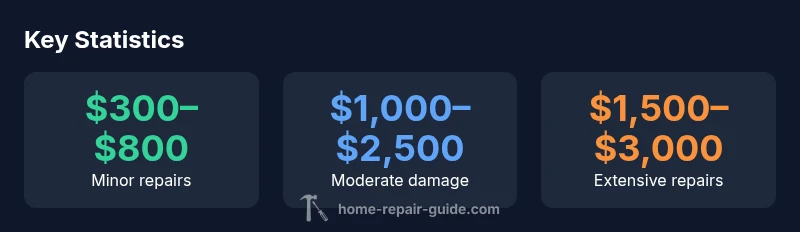
On average, cost roof repair for common issues falls in the low to mid hundreds for minor fixes and rises to the high hundreds or thousands for extensive damage. Typical leaks, flashing repairs, and shingle replacement usually run about $300–$1,200, while larger structural repairs can exceed $1,500 to $3,000, depending on materials and access.
Why cost roof repair matters for homeowners
The cost roof repair is a practical and ongoing consideration for homeowners and even renters who live in older properties. According to Home Repair Guide, understanding what drives the price helps you budget more accurately and avoid sticker shock when bids come in. A timely repair can prevent a small issue from becoming a full roof failure, saving money and extending the life of your shelter. In residential settings, costs are rarely fixed; they depend on the roof’s structure, its materials, and how accessible the work is. The phrase cost roof repair captures both the immediate price tag and the long-term value of a sound repair. In this section we examine the main reasons costs vary and how to think about value rather than just price.
Key cost drivers for roof repair
Different roofs incur different repair costs. Major drivers include the roof type (asphalt, tile, metal, or flat), the extent of damage (localized leaks vs widespread issues), the age of the roof and underlying deck, attic ventilation and insulation, and the ease of access for workers. Local labor rates and permit requirements also push costs up or down. Premium materials or specialized flashing add-ons can increase price quickly, while simple fixes with basic shingles tend to be more affordable. Understanding these factors helps you forecast cost roof repair with greater accuracy and avoid overpaying.
Typical repair scenarios and price ranges
Common repair scenarios show a broad spectrum of costs. For a small leak or damaged flashing, you might see costs in the hundreds. A mid-sized issue involving several shingles or a vent install tends to fall in the lower thousands, while repairs touching structural components can push totals well above that. Here are representative ranges to help you benchmark bids, with the note that exact figures depend on access, materials, and local rates. Always request a written scope of work to ensure apples-to-apples comparisons.
Cost vs. replacement: when to repair or replace
Deciding between repair and replacement depends on age, damage frequency, and overall roof condition. If your roof is approaching the end of its expected life (often 20–30 years, depending on materials) or if leaks recur even after multiple fixes, replacement may be more cost-effective in the long run. Conversely, if the damage is isolated and the rest of the roof remains sound, a targeted repair can extend life at a lower upfront investment. This decision should factor in climate risks, energy efficiency, and future maintenance costs.
Estimating and comparing quotes: a practical process
Estimating costs begins with a clearly defined scope of work. Seek three written bids from licensed contractors and ask for itemized line items for labor, materials, disposal, and permit fees. Compare bids not only on total price but on warranty terms, material quality, and timeline. Ask for photos or estimations of visible damage and request a breakdown of any potential extra charges. Accumulate notes on each contractor’s communication and reliability to reduce the risk of mispricing.
Budgeting tips and hidden costs
Budget for more than the initial repair estimate to cover hidden issues like rotted decking or compromised underlayment. Hidden costs can include permit fees, disposal charges, debris containment, temporary roof protection, and additional insulation or ventilation upgrades. Don’t forget to plan for scheduling delays due to weather, which can extend project duration and labor costs. A contingency of 10–20% is common in home repair budgeting, especially for older roofs.
Maintenance to reduce cost and extend roof life
Regular maintenance pays off. Schedule annual inspections, clean gutters, remove debris, and inspect for damaged flashing around chimneys and vents. Clear moss or algae growth and ensure attic ventilation is functioning to prevent moisture buildup. Address issues promptly before they escalate into expensive repairs. A proactive maintenance mindset reduces the frequency and size of future cost roof repair events and preserves energy efficiency over time.
Cost ranges for common roof repair scenarios
| Repair Type | Typical Range | Notes |
|---|---|---|
| Minor leak repair | $300–$800 | Quick fix, may be temporary |
| Shingle replacement | $150–$900 per square | Depends on shingle type and accessibility |
| Flashing repair | $300–$1,200 | Critical to seal around chimney/vents |
| Vent pipe repair | $200–$1,000 | Varies by material and access |
| Structural repair | $1,000–$5,000 | Labor intensive, may require permits |
FAQ
What is the typical cost to repair a leaky roof?
For common leaks, expect $300–$800 for minor repairs; more complex leaks can cost $800–$1,500 depending on size and materials. Always verify the scope in writing before work begins.
Leaky roofs usually cost a few hundred dollars for a simple fix, with larger leaks costing more. Get a written scope before hiring.
Can I fix a roof leak myself?
DIY is risky. Small patches may be manageable, but safety, ladder work, and code considerations make professional repair the safer option for most homeowners.
DIY can be tempting, but roofing work is hazardous. Consider hiring a pro for safety and code compliance.
How long does a roof repair take?
Most repairs take a few hours to a day, depending on the damage size, weather, and access.
Most repairs wrap up in a day, sometimes sooner if the job is straightforward.
What factors affect material choices in repairs?
Shingle style, underlayment, and flashing materials influence cost, durability, and compatibility with your existing roof.
Material choices matter for durability and cost—talk through options with your contractor.
Is roof repair covered by homeowners insurance?
Insurance may cover sudden damage but not wear or weather-related issues. Review policy specifics and file timely claims when applicable.
Coverage depends on your policy and the cause of damage; check with your insurer for specifics.
How should I choose a roofing contractor?
Get three written bids, verify licenses and insurance, ask for references, and review warranties and post-work support.
Vet contractors carefully: ask for references, licenses, and a solid warranty.
“Roof repair costs depend as much on access, materials, and damage extent as on labor. A clear scope and multiple quotes help homeowners avoid overpaying.”
Key Takeaways
- Estimate broadly to avoid sticker shock
- Compare three quotes with detailed scope
- Ask about material choices and warranties
- Budget for permits and hidden costs