Repair of LG Washing Machine: A Practical How-To Guide
Comprehensive, safe guidance for diagnosing and repairing common LG washing machine faults. Learn tools, preparation, diagnostic steps, and when to call a pro for reliable, long-lasting results.


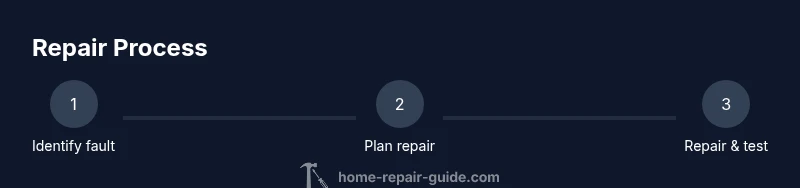
By following this guide, you'll diagnose and repair common faults in LG washing machines, from drainage clogs to motor issues, using safety-first checks, standard tools, and proven troubleshooting steps. This quick answer outlines the process and what you need before you begin, so you can decide if a DIY repair is feasible or you should call a pro.
Context and scope of repair of LG washing machine
According to Home Repair Guide, the repair of LG washing machines ranges from quick fixes to more involved component replacements. This guide emphasizes safe, practical approaches that homeowners and renters can perform without specialized tools. You’ll learn how to identify faults, review error codes, and map out a repair path that preserves your appliance and keeps energy use reasonable. While LG models vary, most common faults share a core pattern: a problem with water intake, drainage, motor control, or the door mechanism. By building a fault map before disassembly, you reduce risk and minimize unnecessary parts shopping. Always consult your unit’s manual for wiring diagrams and service bulletins; these details help you stay within warranty guidelines and avoid unsafe rewiring.
Common LG washer faults and quick diagnostics
LG washers show a variety of fault codes and symptoms. The most frequent culprits include drainage clogs that stall the pump, worn inlet valves that prevent fill, defective lid switches that block rotation, cracked door seals that leak, and motor or belt failures causing slow or incomplete spins. Start diagnostics by noting the error code on the display, then perform simple checks: inspect hoses for kinks, unplug and verify water supply, and listen for abnormal grinding or buzzing during spin. A visual inspection of the drain pump and filter can reveal obstructions; if you see lint, coins, or hair, clean it out. If the model uses a central control board, look for burnt components or bulging capacitors. Remember: many problems look intimidating but are instantly resolved by a single replaced part or straightforward cleaning.
Safety-first preparation and planning
Before touching any internal components, unplug the machine and turn off the water supply to prevent flooding. Gather a clean workspace, towels, a shallow pan, and protective gloves. Confirm your LG model number and have the service manual or LG support page nearby; part compatibility depends on the exact model. Create a parts shopping list based on the fault you’ve identified and compare prices from reputable suppliers. If you haven’t worked with appliance electrics before, start with non-electrical tasks such as hose inspection, pump cleaning, and door seal replacement to build confidence. Finally, arrange a comfortable bench or table height to reduce stooping and strain during the repair.
Diagnostic approach: isolate the fault step-by-step
To diagnose efficiently, separate water management from electrical control. First verify that the problem occurs on all cycles or only on specific programs. If water fills but does not drain, focus on the drain pump, hose, and impeller. If the washer fills slowly, test the inlet valve and screens. If the drum doesn’t spin or stops mid-cycle, examine door switch, drive belt (on belt-driven models), and the motor. Use a multimeter to check continuity on switches and valve coils, and measure resistance according to the model’s service manual. For safety, unplug the unit before any test that involves unplugging connectors or removing the back panel. Take pictures of wiring before disconnecting plugs to simplify reassembly. Label wires and connectors to avoid miswiring. After isolating likely fault, replace or clean the faulty component and re-test with a short cycle. If codes persist, consult LG’s service bulletin library for model-specific guidance.
Replacing common components: pumps, hoses, seals, and boards
With the fault identified, the replacement steps typically follow a predictable pattern. Drain the water and remove the access panel; disconnect power first, then disconnect supply hoses with a bowl ready to catch residual water. Remove the faulty drain pump or inlet valve, noting orientation for reassembly. When replacing hoses, ensure clamps are secure and hoses are free of cracks. For door seals and lids, inspect for tears and replace if necessary; a poor seal can cause leaks and irritate warranty. If the drive belt shows wear or the motor has excessive noise, replace the belt or motor coupling according to service manual instructions. On some LG models, the control board is the source of intermittent errors; replacing it is more complex and may require calibration or software updates. Always test new parts with a controlled field check: run a short, empty cycle to confirm no leaks, proper water fill, and correct draining. Keep a log of parts replaced and observed fault patterns for future maintenance.
Testing, verification, and post-repair care
After completing the replacement, reassemble panels and secure screws. Perform a controlled test run with cold water only to verify leaks; check for proper fill, drum rotation, and spin speed. If any leaks appear, re-tighten hoses and clamps and inspect seals. Use a multimeter to re-check critical connections and ensure there is no residual voltage on exposed components. Observe energy usage during the test cycle and compare with typical draw for your model; unusual dips can signal a misconnected sensor. Clean the filter and inspect the exterior for heat marks or unusual smells, which may indicate overheating or wiring issues. If the test passes, run a normal wash with a small load to ensure proper agitation and drainage. Finally, reprogram any settings if a new control board is installed and verify error codes are cleared. Maintain a service log noting the parts replaced, outcomes, and next inspection date to extend the LG washer’s life.
When to call a professional and warranty considerations
Not all LG washer repairs are suitable for DIY. If you encounter high voltage control boards, motor replacements, or sealed housing with refrigerant or coolant lines, contact a licensed technician. If your unit is still under warranty, consult LG support to avoid voiding coverage; performing unauthorized fixes can nullify protection. For complex diagnostics, such as intermittent errors that defy testing or code reprogramming after board replacement, a technician can diagnose more efficiently with model-specific software and factory tools. A professional repair may also be more cost-effective when the required parts are rare or expensive, and it reduces the risk of water damage from improper reassembly. Finally, keep basic preventive measures in mind: regular door seal inspection, lint filter cleaning, and using the recommended detergents and loads to minimize future faults. The goal is a reliable, long-lived appliance rather than a quick, risky fix.
Authority sources
- The U.S. Consumer Product Safety Commission (cpsc.gov) provides safety guidelines for household appliances and the risks of improper repairs.
- Energy Star (energystar.gov) outlines efficiency and maintenance practices for washing machines to extend life and reduce waste.
- Consumer Reports (consumerreports.org) offers independent testing and repair guidance for washing machines, including common failure modes and reliable parts.
These sources supplement practical, model-specific guidance in this article.
FAQ: authority and practical details to help you repair the LG washer
Tools & Materials
- Phillips screwdriver set (PH2)(Essential for most panels and hose clamps)
- Flathead screwdriver(For prying covers and gentle prying connectors)
- Nut driver set(For belt guards and pump mounts)
- Torx drivers (T10/T20)(Some LG models use Torx screws)
- Multimeter (digital)(Test voltage, continuity, and resistance)
- Pliers (needle-nose)(Grip and snap hose clamps)
- Bent needle or inspection hook(Helpful for deep connectors)
- Bucket, towels, rags(Catch water and keep work area clean)
- Replacement parts kit (pump, valve, lid switch)(Only if diagnosed faulty)
- Model-specific service manual or LG support access(Important for wiring diagrams)
- Work gloves(Protection during handling)
- Flashlight or headlamp(Improve visibility inside cabinet)
Steps
Estimated time: 60-90 minutes
- 1
Power down and ensure safety
Unplug the washer and switch off the water supply. This prevents electric shock and flooding. Keep a dry area and organize tools before you begin. If you must move the machine, disconnect power and water lines first and wear protective gloves.
Tip: Take a quick photo of the after-disassembly wiring to aid reassembly. - 2
Access the machine's interior
Remove the front or rear panel to access the drum, pump, and hoses. Use the appropriate screwdriver and keep track of screws by size. Place removed screws in labeled containers to avoid misplacement.
Tip: Label connectors as you disconnect them to avoid incorrect reattachment. - 3
Check for obvious faults
Visually inspect hoses for cracks or leaks, inspect the door seal, and listen for abnormal sounds when the drum spins. Remove debris from the pump filter if present. If you spot obvious wear, make note for replacement.
Tip: A small object in the pump is a common cause of drain issues. - 4
Test water inlet and fill function
With power still off, check water inlet valve coils for continuity using a multimeter. Inspect screens for blockages and clean them. Reconnect hoses and ensure there are no kinks before re-applying power.
Tip: Do not force water valves open; if no continuity, replace. - 5
Inspect drain pump and hoses
Remove the drain pump if the drum does not drain. Check the impeller for obstructions and test the pump wiring. Replace the pump if the impeller is jammed or coils show open circuit.
Tip: Test by powering the pump with the hoses detached to confirm drainage. - 6
Check lid switch or door interlock
A faulty lid switch will stop the drum from spinning. Use a multimeter to verify switch continuity and inspect the interlock for damage. Replace if the switch does not close a circuit when the lid is closed.
Tip: Sometimes alignment is the root cause; verify proper engagement in the latch housing. - 7
Replace faulty component and reassemble
Install the diagnosed part (pump, valve, switch, or belt). Reassemble panels and double-check that wires and hoses are connected correctly. Do a final loose check before full reassembly.
Tip: Always tighten clamps evenly to avoid leaks. - 8
Run a controlled test cycle
Power up and run a short cycle with a small load of water and detergent. Observe fill, agitation, draining, and spin. If any leaks or errors appear, stop, recheck connections and seals, then repeat.
Tip: Document the cycle results to guide future maintenance.
FAQ
Can I repair an LG washing machine myself?
Yes, for common faults like clogs, lid switches, and valve issues, provided you follow safety steps and have the right tools. More complex problems may require professional service.
Yes, you can handle many common fixes yourself if you follow safety steps and use the right tools.
What are the most common LG washer faults?
Drain pump clogs, faulty inlet valves, worn door seals, defective lid switches, and motor or belt wear are among frequently reported LG washer faults.
Common issues include clogs in the drain pump, defective inlet valves, and worn seals or lid switches.
How do I reset an LG washing machine?
Many LG models reset by unplugging the unit for a minute or two and then restoring power. If codes persist, consult the manual for model-specific reset steps.
Unplug the washer for about a minute, then plug back in and try again. Check the manual for model-specific resets.
Is it safe to repair leaks myself?
Only attempt leak fixes after turning off water and power. Tighten connections and replace damaged seals; persistent leaks may indicate a larger issue requiring a professional.
Turn off power and water first, tighten or replace seals, and call a pro if leaks continue.
How long do LG washer repairs take?
DIY fixes typically take 60-120 minutes depending on fault complexity and part availability. Complex board or motor replacements may take longer and require professional service.
Most DIY repairs take about one to two hours; more complex fixes may need pro help.
Should I replace the control board or the motor first?
Start with the component most directly linked to the symptom (e.g., control board for intermittent codes, motor/belt for spin issues). Replacing the wrong part can be costly and unhelpful.
Fix the symptom with the most likely cause first; don’t replace parts speculatively.
What about warranty and service manuals?
If under warranty, contact LG support before attempting repairs to avoid voiding coverage. Manufacturer manuals provide model-specific diagrams and cautions essential for safe repair.
Check warranty terms first, then consult the manual for model-specific guidance.
Watch Video
Key Takeaways
- Identify the fault using error codes and simple tests
- Safety first: unplug, drain, and protect your workspace
- Replace only the faulty part; avoid unnecessary components
- Test thoroughly and document for future maintenance