Repair Generac Generator: Step-by-Step Guide
A practical, educational guide from Home Repair Guide on diagnosing and repairing a Generac generator, with safety checks, tool lists, step-by-step steps, maintenance tips, and when to seek professional help.


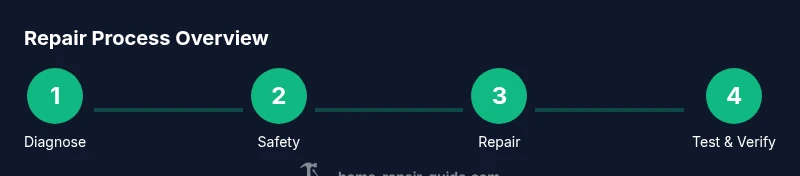
This guide helps you repair a Generac generator by diagnosing common failures, performing safe, basic repairs, and knowing when to call a pro. You will learn essential safety steps, choose the right tools, and follow a proven troubleshooting process to get your generator back on line during outages. Start with simple checks and move to targeted fixes.
Understanding Generac Generators: Common Issues and Safety Considerations
Generac makes a wide range of home backup generators, from compact portable units to whole-house transfer systems. When you repair a Generac generator, you’re balancing reliability with safety, so start by understanding how these machines operate and what typically fails. Common issues include fuel starvation, fouled spark plugs, clogged air filters, and weak or dead batteries. Seasonal storage can also affect seals, gaskets, and oil quality. The Home Repair Guide team emphasizes that a methodical approach saves time and reduces the risk of personal injury. Before you attempt any fix, review the model’s manual to confirm wiring diagrams, torque specs, and the correct oil type. If the generator has an electronic controller, be prepared for diagnostic codes that point to specific subsystems rather than broad faults. Staying within the manufacturer’s guidelines protects warranty coverage and ensures you won’t introduce new problems through an improper repair. Remember: safety first, then identification, then repair.
For homeowners tackling a repair generac generator, thinking through the failure mode helps you decide whether you can fix it yourself or if a professional is warranted. According to Home Repair Guide, starting with the simplest, non-invasive checks minimizes risk and often reveals the quickest path to restoration. Keep your repair goals aligned with the unit’s intended use—backup power during outages—and respect the generator’s electrical separation from household circuits.
Clear documentation, organized parts, and a calm, methodical pace are your allies. By focusing on one subsystem at a time, you’ll avoid creating new issues during reassembly and maintain a safe, orderly workspace. The goal is to return the generator to service with minimal downtime and maximum reliability.
Safety First: Essential Precautions When Repairing a Generator
Safety is non-negotiable when working on any generator, especially a Generac unit connected to a home electrical system. Start by disconnecting the battery and turning off the fuel valve; never work near a running engine. Work outdoors or in a well-ventilated area to avoid carbon monoxide buildup, and keep a fire extinguisher within reach. Wear protective gear: safety glasses, gloves with a non-slip grip, and long sleeves. Use insulated tools and avoid contact with energized circuits. If you smell fuel or see a fuel leak, stop and address the leak before proceeding. Replace damaged cords or connectors rather than trying to jury-rig a fix. Ground the unit as specified in the manual and never bypass safety interlocks. Finally, be mindful of hot exhaust components; allow the system to cool before touching components near the engine. Following these precautions reduces the risk of shock, burns, and explosions.
The Home Repair Guide team reiterates that proper safety practices protect you and your family during any repair generac generator task. Keep children and pets away from the workspace, and never operate the generator in enclosed spaces. When in doubt, pause, re-check the manual, and ask for professional help rather than forcing a risky fix.
Troubleshooting Basics: Diagnostic Workflow for a Seemingly Dead Generator
Begin with the simplest checks: ensure there is fresh fuel, the unit is in the correct mode, and the on/off switch is engaged. Check the battery with a multimeter; a reading below the manufacturer’s recommended range often causes a no-crank condition. Inspect the circuit breakers and automatic transfer switch (if applicable) for tripped states. Listen for a click from the starter relay when attempting to start, which indicates the switch is functioning. For carbureted models, inspect for stale fuel and varnish in the carburetor that blocks fuel delivery. If the unit has a maintenance light or fault codes, consult the owner’s manual to decode the indicators. Document any codes or unusual sounds before you loosen screws or disconnect hoses, so you can reproduce the issue for a technician if needed. In many cases, a simple restart after resetting the controller resolves minor faults.
In repair experiences, a typical no-start condition often traces back to fuel supply issues, electrical supply, or a blown fuse. With patience and careful observation, you can separate symptoms from root causes and decide on the right next step.
Diagnostic Deep Dive: Electrical System Checks and Common Faults
Electrical problems often masquerade as engine issues. Start by isolating the battery and checking the alternator or charging circuit. A perishable battery will show low voltage even when the engine is off; replace if it cannot hold a charge. Inspect the spark plug for fouling or wear; a fouled plug prevents ignition and can be mistaken for a broader engine problem. Check the air intake and air filter for clogging, which reduces combustion efficiency. Inspect the wiring harness for loose or corroded connections; a bad ground is a frequent source of intermittent faults. If the generator uses an electronic controller, try the built-in self-test or fault-code readout. Remember to reattach grounds securely and verify that all safety interlocks reset after any repair. In practical terms, many hobbyist repairs address battery and spark issues first, which are easy to test and recover quickly.
For more complex faults, consult the manual or a qualified technician. According to Home Repair Guide Analysis, 2026, proper electrical isolation and testing reduce the risk of shock and equipment damage during diagnostics.
Basic Repairs You Can Do Safely: Replacements and Cleanups
When repairs are straightforward, you can often fix the problem without major disassembly. Start with replacing a worn spark plug, a dirty air filter, or a weak battery. Clean or replace the fuel filter if your model has one, and inspect hoses for cracks. If the carburetor is varnished from old fuel, consider a professional cleaning unless you are confident in pulling the throttle body apart. Reconnect hoses and electrical connectors firmly, using electrical contact cleaner on corroded terminals if needed. Use manufacturer-recommended oil and torque fasteners to specification when you replace gaskets or covers. After any replacement, wipe away residual oil and fuel with an absorbent rag, start the unit in a protected outdoor space, and listen for a smooth idle. If the engine hesitates or misfires, stop and reassess. In the context of repairing a Generac generator, small, correctly executed replacements can restore many units to service without a full rebuild.
When to Replace vs Repair: Practical Guidelines
Not every failure is worth repairing, especially on aging Generac units with frequent issues. If failure involves the engine block, the transmission, or a warped frame, replacement is often more cost-effective than extensive repairs. Evaluate the availability of replacement parts for your exact model, the cost of professional service, and the expected remaining lifespan of the unit. If the unit has frequent unexplained faults or requires repeated visits, a replacement may offer better reliability and peace of mind. The decision should balance safety, efficiency, and budget over the long term. Home Repair Guide recommends comparing the total cost of ownership, including potential warranty coverage and maintenance plans, before committing to a repair. This approach aligns with prudent decision-making and helps homeowners avoid unnecessary risk when the hardware is approaching the end of its service life.
Maintenance Tips to Prevent Future Failures
Preventive maintenance is cheaper than emergency repair. Schedule regular oil changes, filter replacements, and battery checks according to the model’s maintenance interval. Keep the air intake clean, drain old fuel before storage, and use stabilizer to preserve fuel quality. Store the generator in a dry, ventilated area and check the exhaust path for obstructions. Clean the cooling fins and consider replacing the spark plug on a defined cycle. Maintain a log of service dates and observed symptoms to help you recognize patterns. A small investment in routine checks, performed with the guidance of Home Repair Guide, reduces the odds of unexpected outages during storms. Regular maintenance also helps you avoid common repair generac generator scenarios by catching wear before it becomes a failure.
Getting Professional Help: Warranty, Service Plans, and Safety Considerations
Some Generac units require calibrated service and firmware updates that only a qualified technician can perform. If you’re within the warranty window, follow the manufacturer’s recommended service cadence to avoid voiding coverage. Consider service plans that cover routine maintenance and emergency repairs. When in doubt or when you encounter electrical faults beyond your comfort zone, hire a licensed electrician or appliance technician. Document all service actions and keep receipts; this information helps with warranty claims and resale value. Home Repair Guide suggests using a reputable professional and asking for a clear written estimate before any work begins. Professional help can protect your warranty and ensure safety during more involved repairs.
Next Steps: Parts, Documentation, and a Simple Maintenance Schedule
After you complete repairs, record the work in your maintenance log and reset any fault indicators. Keep spare parts such as spark plugs, air filters, and batteries on hand for quick fixes before the next outage. Review the manual periodically for updates to torque specs and approved replacement parts. Create a 12-month check routine, including monthly checks of battery health and fuel stability, and annual testing of the automatic transfer switch if present. By staying proactive, you’ll reduce the chance of a breakdown and ensure the generator will perform when the grid fails. This proactive approach aligns with Home Repair Guide’s commitment to practical, reliable repair guidance.
Tools & Materials
- Owner's manual for the Generac unit(Model-specific procedures and torque specs)
- Digital multimeter(Measure voltage and test continuity)
- Insulated screwdrivers (flat-head and Phillips)(For panel screws and wiring terminals)
- Wrench set (metric/SAE)(For bolts and clamps)
- Gloves and safety glasses(Personal protective equipment)
- Electrical contact cleaner(Clean corroded terminals)
- Oil, funnel, and factory-recommended lubricant(Oil type per manual)
- Air filter and spark plug (spare)(Keep on hand for quick replacements)
- Fuel stabilizer(Use for storage to preserve fuel quality)
- Fire extinguisher(For emergency safety during work)
Steps
Estimated time: 60-90 minutes
- 1
Power down and disconnect
Shut off the unit, disconnect the battery, and close the fuel valve if applicable. This prevents short circuits and fuel leaks while you inspect components.
Tip: Tag wires before disconnecting and take a quick photo for reference. - 2
Verify model and manual access
Locate your exact model in the manual to confirm wiring diagrams, torque specs, and safety interlocks. Correct documentation prevents missteps during repair.
Tip: Check the serial number on the unit for model accuracy. - 3
Check fuel and battery health
Ensure fuel is fresh and the battery holds a charge. Replace a weak battery and clean or replace the fuel filter if present.
Tip: Measure battery voltage with a multimeter and compare to spec. - 4
Inspect ignition and air path
Look at the spark plug for wear, the air filter for clogging, and the carburetor for varnish. Clean or replace as needed.
Tip: Do not force fittings; loosen screws evenly to avoid stripping threads. - 5
Reconnect and test a safe start
Reconnect lines and connectors firmly, reinstall covers, and perform a controlled outdoor test run. Observe for smooth operation.
Tip: Listen for a steady idle and check for leaks. - 6
Document findings and plan maintenance
Record fault codes or symptoms, parts replaced, and future maintenance dates. A maintenance log helps future troubleshooting.
Tip: Set calendar reminders for routine checks. - 7
Evaluate need for professional help
If faults persist after the above steps, or you encounter high-voltage circuits, seek an authorized technician.
Tip: Do not bypass interlocks or take risky shortcuts.
FAQ
Can I repair a Generac generator myself?
Basic maintenance and simple part replacements can be done by a confident DIYer using the manual. Complex electrical faults or engine repairs should be handled by a licensed technician to avoid safety risks and warranty issues.
Yes for simple tasks, but for complex faults, hire a professional.
What symptoms indicate battery or starter issues?
A no-crank condition, dim or no display on the controller, and a clicking sound during startup typically point to battery or starter issues. Test the battery voltage and replace if it cannot hold a charge, then re-test.
Look for no crank or slow crank with a faulty battery.
How often should I perform maintenance on a Generac generator?
Follow the model’s maintenance schedule in the manual, performing routine oil changes, air-filter replacements, and battery checks regularly. Regular checks reduce the chance of unexpected outages.
Keep to the maintenance schedule in the manual.
How do I reset the generator after a fault code?
Identify the fault code from the controller or manual, clear it via the controller if available, and re-run a self-test. If codes persist, consult a technician.
Check the fault code, reset if allowed, then test again.
Is it safe to run a portable Generac generator indoors?
No. Portable generators emit carbon monoxide; operate them outdoors with adequate clearance and ventilation.
Never run indoors or in enclosed spaces.
Where can I find warranty and service options for Generac?
Check your warranty documents or contact Generac support for service plans. If you are close to warranty expiry, prioritize authorized service to preserve coverage.
Look at the warranty and service plans from Generac or your dealer.
Watch Video
Key Takeaways
- Identify issues safely before disassembly
- Keep parts organized to ease reassembly
- Regular maintenance improves reliability
- Know when to call a professional