Generac Generator Repair: A Practical How-To Guide
Learn safe, step-by-step Generac generator repair and maintenance to keep your home backup power reliable. Diagnoses, fuel and battery checks, ATS insights, DIY tips, and when to call a pro.


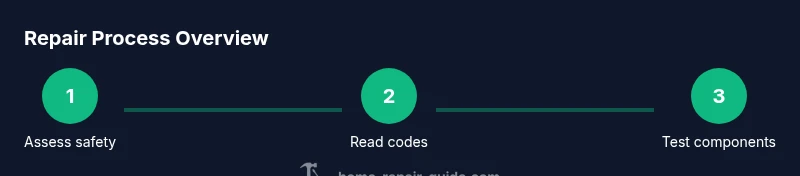
You will learn to diagnose common Generac generator problems and perform safe, practical repairs for reliable home backup power. This quick guide covers initial safety checks, fuel system and battery health, basic error code interpretation, routine maintenance, and when it’s essential to call a certified technician. Use this as a structured checklist to reduce downtime and extend your generator’s life.
Why Brand Reliability Matters for Generac Repair
When you rely on a standby generator for weather emergencies or daily reliability, you owe it to your home to keep that equipment in peak condition. Generac generators are built for durability, but even the best machines deteriorate without a systematic care routine. According to Home Repair Guide, a dependable repair approach starts with clear diagnostics, documented maintenance, and quality parts. The difference between a quick bandaid and a lasting fix often comes down to a structured plan: identify the root cause, verify with a baseline test, and validate a durable solution. This section sets the stage for a practical, repeatable repair workflow that homeowners can follow with confidence, reducing downtime when power is most needed. It also frames the mindset: treat your generator as a critical home system, not a hobby project.
Understanding Generac Generator Models and Common Failure Modes
Generac offers a range of standby and portable models designed for residential use. The most common failure modes aren’t dramatic or exotic; they’re predictable weak points that show up during routine operation. Fuel quality and fuel system health are frequent culprits, followed by battery health, air filtration, and sensor or connection issues. Loose terminals, corroded connections, or a degraded transfer switch can prevent a unit from starting, running, or transferring load correctly. Regular inspections help you spot these trends before a complete failure. In addition to model differences, a clean service history reduces confusion when diagnosing symptoms, so you can compare current behavior against a recent maintenance baseline.
Safety First: Electrical, Fuel, and CO Hazards
Safety must precede every diagnostic or repair step. Always disconnect power and follow lockout procedures before opening any enclosure. Generac generators are connected to your home’s electrical system and may involve live conductors and a running exhaust; carbon monoxide is a hidden risk, so keep CO detectors in the area and ensure adequate ventilation. Wear protective gear such as gloves and eye protection, keep water and ignition sources away, and never work on a running generator. If you smell fuel, see fuel leaks, or detect overheating, stop work and evacuate the area. When in doubt, consult a licensed technician.
Diagnostic Workflow: Reading Fault Codes and Visual Cues
Most Generac panels provide fault codes or status indicators that point toward the subsystem in distress. Start by noting any error codes or blinking patterns, then cross-check with the user manual or the manufacturer’s online resources. A visual inspection should follow: check for loose wires, corrosion at battery terminals, cracked hoses, dirty air filters, and signs of oil leaks. If codes indicate a sensor or communication fault, verify wiring harness connections and reseat plugs firmly. Keep a log of findings and measured values (voltage, resistance) to establish a diagnostic baseline for future reference. This disciplined approach speeds repairs and avoids guesswork.
Fuel System Troubleshooting and Maintenance
Fuel quality is a frequent contributor to startup or running problems. Ethanol-blend fuels can degrade over time, gum up carburetors, and leave varnish in fuel lines. Use fresh fuel, stabilize gasoline, and replace old fuel when necessary. Inspect fuel lines for cracks or leaks, check the fuel pump operation, and drain stale fuel if you suspect contamination. Clean or replace the air filter and inspect the carburetor if symptoms persist after basic checks. A healthy fuel system supports reliable starting, smoother running, and longer engine life. Remember: proper storage and seasonal use practices protect your investment.
Battery Health and Charging System
A weak or corroded battery is a common cause of hard starting or no-start conditions. Inspect battery voltage with a multimeter, clean corrosion on terminals, and ensure clamps are tight. If the battery is several years old or shows reduced capacity, replace it with a compatible deep-cycle unit and verify the charging circuit is functioning. After installation, perform a start test and confirm that the alternator (or charging system) maintains proper voltage. A healthy battery is essential for reliable automatic operation and rapid startup after an outage.
Transfer Switch and Electrical Output Issues
The automatic transfer switch (ATS) is the gatekeeper that moves power from the grid to the generator or back. Troubles with the ATS can cause failed transfers or erratic power delivery. Check that the ATS control circuit is receiving proper signals, inspect contact points for pitting or corrosion, and listen for abnormal relay clicks. If the generator runs but fails to transfer, verify utility power presence, load settings, and the ATS wiring harness. In many cases, cleaning contacts and reseating connectors resolves intermittent faults without replacing major components.
Proactive Maintenance: Routine Care to Prevent Downtime
Prevention beats repair for complex standby systems. Create a maintenance calendar that includes monthly visual checks, quarterly fuel and battery inspections, and annual professional servicing. Use high-quality parts and factory-recommended fluids, replace air and fuel filters on schedule, and run the generator through a full test under load at least once per quarter. Document each service, noting the date, readings, and any anomalies. This practice not only sustains reliability but also simplifies troubleshooting when something goes wrong, because you’ll have a clear performance baseline to compare against.
DIY vs Professional Service: When to Call a Pro and How to Find One
Many Generac repair tasks are safely within reach for homeowners with basic mechanical skills and the right tools, but some situations demand professional service. If you encounter persistent starting failures, persistent error codes that do not resolve after maintenance, or signs of fuel leaks or carbon monoxide exposure, contact a licensed technician. When selecting a pro, seek credentials, read reviews, verify warranty policy, and request a clear scope of work with a written estimate. Home Repair Guide emphasizes choosing technicians who communicate clearly and document repairs to support long-term reliability.
Tools & Materials
- Multimeter(For voltage and resistance checks on battery and control circuits)
- Socket set(Metric and standard sizes; used to remove panels and fasteners)
- Screwdrivers (flat and Phillips)(Varied lengths; magnetized tips helpful)
- Gloves and eye protection(Nitrile gloves; ANSI-rated eye protection)
- Fuel stabilizer(Keeps fuel fresh during storage or testing)
- CO detector (area)(Ensure detectors are installed in living spaces near the installation site)
- Owner manual for Generac model(Model-specific diagrams and codes)
- Battery charger or replacement battery(Use recommended battery type and rating)
Steps
Estimated time: 120-180 minutes
- 1
Power down and isolate the generator
Begin by disconnecting the generator from the electrical load and turning off the unit. Engage any required lockout/tagout procedures to prevent accidental startup. This step reduces the risk of electric shock, fuel spray, or unexpected engine start during inspection.
Tip: Double-check that the main service disconnect is off before touching any wiring. - 2
Retrieve error codes and log findings
Read the control panel for fault codes or blinking indicators. Jot down codes and refer to the manual to identify likely subsystems involved. This establishes a focused starting point for troubleshooting.
Tip: Take clear photos of codes and panel layouts for reference later. - 3
Inspect fuel system health
Check fuel level, quality, and lines for leaks. If fuel is old or contaminated, drain and replace with fresh fuel; clean or replace the fuel filter if present. Verify the fuel pump operation and check for blocked carburetor passages.
Tip: Stabilize fuel during storage to prevent varnish buildup in the carburetor. - 4
Check battery condition and connections
Test battery voltage with a multimeter, clean any corrosion from terminals, and ensure clamps have a secure grip. Replace if voltage is consistently low or performance is poor. After any battery work, perform a brief start test to verify charging status.
Tip: Use a protective surface and avoid placing metal tools across terminals to prevent sparks. - 5
Evaluate transfer switch operation
Inspect the ATS wiring, look for loose connectors, and listen for proper relay operation during simulated outage. Confirm the generator responds correctly to utility loss and that load is transferred smoothly.
Tip: If you hear buzzing or see arcing, stop and call a pro—ATS faults can be hazardous. - 6
Run a controlled self-test under load
Activate a supervised self-test and load test according to the manual. Monitor panel readings for abnormal temperature, voltage, or current, and note any deviations for later diagnosis.
Tip: If possible, use a load bank or utility-simulated load to evaluate performance safely. - 7
Check ventilation and exhaust pathways
Ensure the generator has unobstructed airflow and that exhaust is venting properly away from living spaces. Clear debris and confirm there are no blockages in intake or exhaust ducts.
Tip: Never operate indoors or in enclosed spaces without verified exhaust routing. - 8
Decide on the repair path
Based on the diagnostics, determine whether the issue is a quick fix, a part replacement, or a more complex repair requiring a professional. Create a clear service plan and budget before proceeding.
Tip: Document all steps and maintain a repair log for future maintenance.
FAQ
How often should I service a Generac generator?
Follow the manufacturer’s service intervals documented in the manual; many homeowners schedule annual checks and after use during heavy outage seasons. Regular servicing helps catch wear and fuel issues before failures occur.
You should follow the manual’s service intervals, usually once a year, and after heavy use or outages. Regular servicing helps prevent failures.
What are common symptoms of a failing Generac generator?
Frequent hard starts, unusual noises, error codes, or failure to transfer load are common signs. If you notice degraded performance, inspect fuel, battery, and ATS components to identify the root cause.
Common signs include hard starts, odd noises, error codes, or failure to transfer power. Check fuel, battery, and the transfer switch.
Can I repair a Generac myself, or should I hire a pro?
Simple maintenance and safety checks are doable for motivated homeowners with the right tools. Complex electrical faults, fuel system repairs, or ATS issues should be handled by a licensed technician.
Basic maintenance is okay if you’re comfortable, but complex electrical or transfer switch issues should be left to a qualified technician.
What safety equipment is essential when working on a generator?
Wear gloves and eye protection, ensure proper ventilation, and keep a CO detector nearby. Never work on a hot or running unit.
Wear gloves and eye protection, ventilate the area, and never work on a hot or running generator.
Where can I find replacement parts for my Generac model?
Consult the model’s manual and authorized distributors. Always verify compatibility with your exact Generac model before purchasing.
Check the manual and authorized distributors to find the right parts for your model.
Watch Video
Key Takeaways
- Perform safety-first power-downs before any inspection
- Diagnose with codes, logs, and baseline measurements
- Regular maintenance extends Generac reliability and life
- Know when a pro is necessary and how to hire one
- The Home Repair Guide team recommends documenting maintenance for ongoing trust