Repair for Refrigerator: DIY Fixes, Safe Repairs & Tips
Learn safe, practical repair for refrigerator techniques to fix common cooling issues. This step-by-step guide from Home Repair Guide covers essential tools, safety practices, diagnosis, and preventive maintenance to extend your fridge’s life.


According to Home Repair Guide, you’ll diagnose and safely repair common refrigerator issues, from temperature swings to leaks and noisy operation. You’ll learn essential safety practices, required tools, and a practical, step-by-step workflow. Start with power-off checks, verify door seals, and inspect coils, then move to targeted fixes or safe deferral to a pro if needed.
Understanding common refrigerator issues
Most modern refrigerators manage chilling, defrost cycles, and ice production with little user intervention, but faults show up in several predictable ways. Temperature may drift warm or cold, frost can accumulate in the freezer, water leaks appear around the base, and you might hear unusual buzzing or clicking. A noisy compressor or fan can indicate worn bearings or a failing start device. Before you dive into repairs for refrigerator, identify whether the problem affects the entire unit or just a single function, because this guides safe, effective repairs. For example, a warm fridge that still freezes on top may point to a thermostat or damper door issue rather than refrigerant, which requires professional service. By learning to read symptoms and trace them to likely causes, you can perform targeted checks and avoid unnecessary disassembly.
Tools and safety basics
Before you begin a repair for refrigerator, assemble essential tools and PPE. Safety first: wear gloves and safety glasses to guard against sharp edges and condensation. Gather a screwdriver set (flat-head and Philips), a nut driver, a soft brush or coil brush, towels, a digital thermometer, and a multimeter if you have one. Have a flashlight handy for dark panels and basements or garages. Always unplug the appliance before removing panels, and keep liquids away from electrical parts. If you feel unsure at any point, pause and reassess; do not force panels or components.
Step-by-step diagnosis and repair workflow
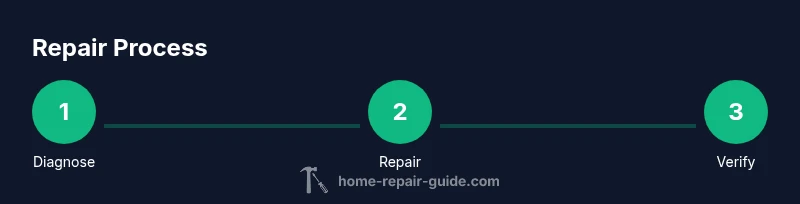
A systematic workflow helps you pinpoint issues without guesswork. Start with a basic power-off check and verify the outlet is delivering power. Then inspect the door seals for leaks, check the interior temperature settings, and listen for unusual noises to locate possible motor or fan problems. Clean the condenser coils if dust buildup is evident, and check drainage paths for clogs. If you identify a faulty thermostat, blocked defrost drain, or a failing start relay, you can often correct the issue with a swap or reset. For safety, always discharge static electricity from metal parts before touching electrical components and never mix refrigerant work with DIY repair unless you are licensed.
Common fixes you can perform yourself
Many refrigerator issues respond to straightforward fixes. Clean condenser coils to improve cooling efficiency, replace worn door gaskets to restore proper sealing, and defrost frost buildup in the freezer if you notice ice crusting. Clear clogged defrost drains with a bendable coat hanger or flexible wire; flush with warm water. Check the water inlet valve if you have a water dispenser or ice maker and replace if it leaks. Level the refrigerator on a flat floor and ensure airflow beneath and behind the unit. Remember to recheck temperatures after each fix to confirm improvement.
When to call a professional and warranty considerations
Some problems require professional service. Refrigerant leaks, compressor failures, and sealed-system issues demand licensed help due to safety hazards and refrigerant handling regulations. If your unit is still under warranty, consult the manufacturer or authorized service to avoid voiding coverage. Document symptoms, error codes, and the exact model number before calling. If you notice persistent frost, unusual smells, or ongoing cooling inefficiency despite basic fixes, a professional evaluation is recommended. In many cases, a quick diagnostic visit can prevent further damage and preserve warranty rights.
Maintenance to prevent future problems
Preventive maintenance keeps refrigerators running efficiently for longer. Dust and clean coils every 6–12 months, replace worn door gaskets, and verify door alignment. Keep the temperature at the recommended setting (usually around 37–38 F for the refrigerator and 0–5 F for the freezer) and use a thermometer to monitor accuracy. Clear the area around the back and sides of the unit to improve air circulation, and check the drip tray and drain line during defrost cycles. Finally, schedule a quarterly check of doors, seals, and ice maker function to catch issues early before they escalate.
Tools & Materials
- Safety gloves(Cut-resistant work gloves)
- Safety glasses(Shields eyes from debris)
- Flat-head screwdriver(For panel screws)
- Phillips screwdriver(For screws in access panels)
- Nut driver set(For appliance fasteners)
- Soft coil brush(Clean condenser coils)
- Towels and a small bucket(Mop up spills and collect condensation)
- Digital thermometer(Check interior temperatures)
- Multimeter (optional)(Test electrical components)
- Flashlight(Illuminates dark panels)
- Owner’s manual(Model-specific guidance)
Steps
Estimated time: 60-90 minutes
- 1
Power off and safety check
Unplug the refrigerator and verify the outlet is live with a tester. Inspect the area for standing water and ensure your hands are dry. This reduces the risk of electric shock during any inspection.
Tip: Never work on electrical components with the unit plugged in. - 2
Inspect basic cooling settings
Check that the temperature controls are set correctly and that the door seals are intact. A mis-set thermostat or a loose seal can cause temperature fluctuations and inefficient cooling.
Tip: If doors don’t seal after closing, clean the gasket lightly and reseat the door. - 3
Check for airflow and coil cleanliness
Inspect the condenser coils (usually behind or under the fridge) for dust. Clean them with a soft brush or vacuum. Ensure there is at least a few inches of clearance behind and around the unit for proper air circulation.
Tip: Never use water to spray coils; dry brushing is safer and effective. - 4
Inspect the drain and defrost system
Look for a clogged defrost drain and clear with a bendable tool or warm water. A blocked drain can cause frost and water leaks in the refrigerator compartment.
Tip: Flush with warm water to ensure the path remains clear. - 5
Test components with a meter if needed
If you have a multimeter, test obvious electrical components like the start relay or defrost timer. Replace any part that tests out of spec or shows physical damage.
Tip: Only perform electrical tests if you’re confident; incorrect readings can mislead repairs. - 6
Reassemble and monitor
Reattach any panels, restore power, and monitor temperatures for several hours. Confirm that both fridge and freezer hold target temps and that there are no leaks or unusual noises.
Tip: Document the test results for future reference. - 7
Evaluate after fixes
If temperatures stabilize and there are no leaks after these steps, your repair is likely successful. If not, escalate to a professional as early as possible to avoid further damage.
Tip: Keep a log of symptoms; this helps technicians diagnose quickly if you need professional help.
FAQ
What are the most common refrigerator problems?
Common issues include temperature fluctuations, frost buildup, leaks, and unusual noises. Start with basic checks like power, door seals, and airflow before pursuing deeper repairs. If symptoms persist, consult a professional.
The most common fridge problems are temperature issues, frost, leaks, and unusual noises. Start with power and door seals, then call a professional if the problem continues.
Can I repair a refrigerator by myself?
Some fixes, such as cleaning coils or replacing a gasket, can be DIY with proper safety. More complex issues like refrigerant leaks or compressor failure require licensed technicians and may affect warranties.
Some fixes are doable by yourself, like cleaning coils or replacing a gasket. For refrigerant leaks or compressor problems, hire a licensed technician.
How long does a typical fridge repair take?
Simple fixes can take under an hour, while diagnostic visits and part replacements may require a few hours. Scheduling depends on parts availability and the complexity of the issue.
Most simple fixes take under an hour; more involved repairs can take several hours depending on parts.
Is a noisy fridge dangerous?
A noisy fridge is usually not dangerous, but it can indicate issues with fans or motors that may worsen without attention. If the noise is new or persistent, have it inspected.
Noise is a sign to inspect fans or motors; it’s not typically dangerous but shouldn’t be ignored.
When should I replace rather than repair a fridge?
If cooling efficiency is poor despite fixes, or if major components like the compressor fail, replacement might be more cost-effective than ongoing repairs, especially on older models.
If performance doesn’t improve after fixes or the compressor fails, replacement may be best.
Watch Video
Key Takeaways
- Identify symptoms to guide safe, targeted repairs
- Use proper tools and safety gear for every step
- Know when to call a professional or reference warranty
- Regular maintenance reduces future fridge failures