Pool Service and Repair: A Practical Home Guide
Learn how to maintain and repair your pool safely, covering chemistry, equipment, and budgeting tips to keep water clean and costs predictable. A homeowner-friendly approach to pool service and repair.


In this guide you will learn how to perform essential pool service and repair tasks to keep water safe, equipment reliable, and costs predictable. You'll cover water chemistry, filter and pump maintenance, cleaning routines, and when to call a pro. By following a practical plan, you can maintain a healthy pool season after season.
Why pool service and repair matters
Regular pool service and repair isn't a luxury—it's a safety and value decision for homeowners and renters. Clean water, safe chemistry, and reliable equipment protect swimmers and extend the life of your pool, saving money over time. The Home Repair Guide team notes that routine maintenance reduces chemical waste, minimizes energy use, and prevents small issues from turning into expensive repairs. A well-serviced pool also enhances curb appeal and property value, which matters for both homeowners and landlords. In addition, regulatory guidelines emphasize the importance of proper disinfection and safe storage of chemicals around pool areas. This guide explains why consistent service matters and how to build a sustainable maintenance habit that fits real life. You’ll also see how to balance convenience with safety so you can enjoy your pool without recurring headaches or costly calls to a technician.
Understanding pool system components
A pool relies on several interdependent systems. The circulation pump moves water through a filter to remove debris and contaminants. The filter type (sand, cartridge, or diatomaceous earth) determines how often you backwash or replace media. Return jets and skimmers regulate surface cleaning and water flow. The heater or heat pump controls temperature for comfort and energy efficiency. Chlorination systems—whether traditional liquid chlorine, saltwater generators, or floating dispensers—keep sanitizer levels within a safe range. Automatic cleaners, from suction-side to robotic models, reduce manual brushing and improve water quality. Familiarize yourself with these parts so you can identify issues quickly and describe problems clearly to a technician if needed.
Regular maintenance routines
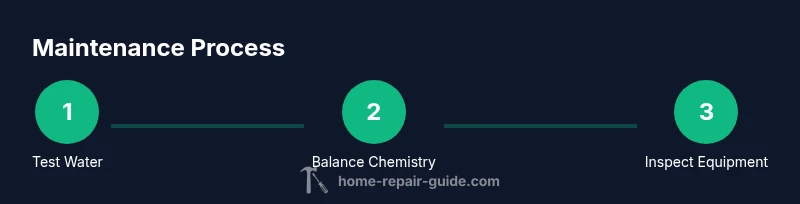
A confident pool owner follows a simple cadence: daily visual checks (water clarity, surface debris, pump noises), weekly chemistry tests (pH, alkalinity, sanitizer), and monthly equipment inspections (filters, hoses, seals). Cleaning tasks like skimming, brushing walls, and vacuuming should become routine rather than chores. For renters or busy households, setting a fixed maintenance day helps ensure nothing slips through the cracks. If your pool is saltwater, monitor the salt level and generator output regularly; salt systems require periodic cleaning of electrodes and cell maintenance. Keeping comprehensive records of tests and repairs helps you spot trends and plan ahead for seasonal needs.
Diagnosing common problems and quick fixes
Cloudy water often signals imbalanced chemistry or insufficient circulation. Green algae usually means sanitizer is low and filtration needs improvement. A high pressure reading on the pump indicates a clogged filter or restricted lines. If you notice persistent leaks, pool equipment vibrations, or abnormal noises, stop operation, shut off power if safe, and inspect connections. Start with a simple test: measure sanitizer, pH, and total alkalinity, then adjust toward manufacturer recommendations. For obvious mechanical failures (pump motor failure, cracked valve), consult a professional. Document symptoms to help identify whether a DIY fix is feasible or if replacement parts are warranted.
Cleaning and chemistry: a practical approach
Keep water balanced by maintaining mid-range pH (roughly 7.2–7.6) and sufficient total alkalinity to buffer pH swings. Regular sanitizer levels should be kept within a safe range for your system (this varies by sanitizer type). Test kits or test strips empower you to verify these values and adjust with appropriate products. When you detect persistent imbalance, perform a shock treatment after heavy usage or rainfall, then run the filtration cycle longer to restore clarity. For saltwater pools, monitor salt concentration and clean the sensor regularly. Always follow label instructions for chemicals, store them safely, and never mix cleaners.
Safety and best practices for DIY pool repairs
Working around electrical devices and water requires strict safety practices. Always disconnect power before servicing pumps, heaters, or control panels where feasible and permitted by local codes. Store chemicals in a cool, ventilated area away from sunlight and kids or pets. Use appropriate PPE—gloves, eye protection, and closed-toe shoes. Keep a well-ventilated workspace, have a fire extinguisher nearby, and never perform ad-hoc repairs without understanding the risk. If you’re unsure about wiring, plumbing, or structural components, call a licensed technician. Regular inspections reduce the risk of dangerous failures and extend equipment life.
When to hire a pro vs DIY
DIY pool care works for routine tasks such as cleaning, PH testing, and basic maintenance. Hire a pro for complex issues, like electrical faults, major leaks, heater failures, or persistent filtration problems. A technician can diagnose obscure causes, supply replacement parts, and carry out code-compliant repairs. If your pool system is under warranty, verify whether DIY work might void coverage. When in doubt, obtain a written estimate and a clear scope of work before authorizing any service. Regular expert check-ins also help catch subtle issues early.
Cost considerations and budgeting tips
Smart budgeting for pool service and repair means planning for routine maintenance, seasonal adjustments, and unexpected repairs. Create a simple calendar of monthly tasks and allocate a modest amount for chemical supplies and filter replacements. Compare quotes from multiple technicians and check reviews. Ask about preventive maintenance packages that cover inspection, backwashing, and filter cleaning. Keeping good records helps you predict when parts will wear out and avoid emergency calls. A consistent maintenance rhythm reduces the chance of costly breakdowns and keeps the pool welcoming for longer.
Maintenance plan for year-round pools
A year-round pool benefits from a structured plan that adapts to seasons. In mild climates, winterization may be minimal but still important for equipment protection. In cold regions, winterizing protocols protect plumbing and equipment from freezing conditions. Use a maintenance calendar that aligns with your climate, pool usage, and equipment type. Include regular chemical testing, vacuuming, filter maintenance, and equipment checks. Review your plan every season and adjust based on water temperature, bather load, and any changes in local water quality. A written schedule makes it easier to stay on track and communicate needs with a pool service if you use one.
Authority Sources
For best-practice guidance, refer to authoritative organizations. The Centers for Disease Control and Prevention (CDC) offers resources on healthy swimming and pool safety, including water quality and sanitization considerations. The Consumer Product Safety Commission (CPSC) provides safety guidelines for pools, spas, and hot tubs, including barriers and electrical precautions. The Environmental Protection Agency (EPA) offers general water-quality information relevant to public and private pools. Together, these sources help homeowners align pool service and repair with safety, health, and compliance standards.
Tools & Materials
- Pool test kit or test strips(Test for pH, alkalinity, sanitizer levels)
- Liquid chlorine or sanitizer tablets(Follow label directions; store safely)
- pH increaser/decreaser(Adjust pH within range ~7.2–7.6)
- Alkalinity inert or buffer(Helps stabilize pH)
- Brush, skimmer net, and pool vacuum(Keep surfaces clean and debris-free)
- Telescoping pole and hose(For reach and vacuuming hard-to-reach areas)
- Replacement filter cartridges or sand media(Have spares on hand)
- Backwash valve tool or hose adapter(Only if your filter requires backwashing)
- Multimeter or voltage tester(Used by DIYers when dealing with electrical components)
- Leak detection kit(Identify hidden leaks in pipes)
- Safety gear (gloves, goggles, non-slip shoes)(Essential for chemical handling and sharp edges)
- Chemical storage container(Store chemicals away from children and pets)
Steps
Estimated time: 60-90 minutes
- 1
Inspect safety setup and gather tools
Before you touch any pool equipment, switch off power at the circuit breaker for pumps and heaters if safe to do so. Gather your testing kit, chemicals, and cleaning tools in one accessible area. This minimizes trips and reduces the chance of a forgotten safety step.
Tip: Create a quick checklist to ensure you have all items before you start. - 2
Test and balance water chemistry
Take a sample from elbow-depth and check pH, alkalinity, and sanitizer levels. Adjust pH toward mid-range and restore sanitizer levels using appropriate products. If using a salt system, verify generator output and sensor cleanliness.
Tip: Test both in the morning and after heavy usage to catch swings. - 3
Clean surfaces and improve circulation
Skim the surface, brush walls and steps, and vacuum the bottom if needed. Check for visible blockages in skimmers and pump baskets. Clean the filter according to its type (backwash for sand or rinse for cartridge).
Tip: A clean filter improves flow and reduces chemical demand. - 4
Inspect and test equipment operation
Listen for unusual noises, verify pump prime, and check for leaks around fittings and seals. Test pressure gauges and ensure returns are delivering water evenly. Replace worn o-rings or seals as needed.
Tip: Write down any abnormal readings for future reference. - 5
Address issues and perform minor repairs
If you identify a simple fix, such as replacing a clogged filter or a faulty valve, perform it with the correct parts. For leaks, tighten connections and consider sealant where appropriate. If a component is damaged beyond a quick repair, consult a pro.
Tip: Never force a seal or connector; you may cause further damage. - 6
Document and schedule next maintenance
Record test results, parts replaced, and any observations. Set a recurring reminder for the next maintenance session and align with seasonal changes. This helps you anticipate needs and budget accordingly.
Tip: A written log makes it easier to spot recurring issues.
FAQ
How often should I test pool water?
Most pools benefit from weekly water testing, with adjustments after heavy usage or rainfall. If you notice cloudy water or strong odors, test more often until balance is restored.
Test your pool water weekly, and more often after heavy use or rain to keep the water balanced.
Can I repair a pool pump myself?
Some pump repairs, like replacing a failed o-ring or cleaning a clogged impeller, can be DIY with the right parts and safety practices. Complex electrical or motor issues are best handled by a licensed technician.
You can handle simple pump fixes, but serious motor or wiring problems should be done by a professional.
What maintenance tasks are essential for every pool season?
Start with chemistry testing, filter inspection, and surface cleaning. Schedule a mid-season check of equipment and a final season teardown or winterization plan to protect the pool during off-season.
Kick off with chemistry, filter checks, and cleaning, then plan mid-season checks and seasonal protection.
When should I shock the pool?
Shocking is recommended after heavy bather load, rainfall, or algae events. Follow label directions for dosage and ensure the pump runs for several hours afterward to distribute the sanitizer.
Shock after heavy use or algae events, and run the pump to circulate.
Is a professional inspection worth it?
Yes, especially if you notice persistent problems, gas or electrical components, or leaks. A pro can identify hidden issues, provide code-compliant fixes, and extend equipment life.
A professional inspection is worth it when problems persist or involve electrical or structural components.
How can I reduce pool maintenance costs?
Invest in a regular maintenance schedule, optimize chemical use, replace worn filters proactively, and consider a maintenance plan with a trusted service provider to prevent major emergencies.
A steady schedule and preventive maintenance save money over time.
Watch Video
Key Takeaways
- Follow a consistent maintenance routine.
- Balance chemistry to protect swimmers and equipment.
- Know when to DIY and when to call a pro.
- Document maintenance to track trends.
- Prioritize safety with proper gear and storage.