Commercial Refrigeration Repair: A Practical Guide for 2026
Learn practical, step-by-step techniques for diagnosing and repairing commercial refrigeration systems. Includes safety, common failures, and essential maintenance tips to keep units reliable.


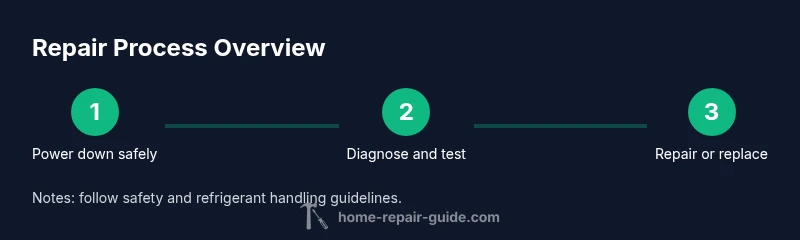
Commercial refrigeration repair focuses on diagnosing and fixing commercial cooling units, from reach-ins to walk-ins. In most cases, the goal is to restore proper temperatures while minimizing downtime and energy use. This guide walks you through safety, diagnosis, and repair steps, plus when to call a licensed technician. Whether you service grocery displays or industrial coolers, this approach keeps your operation compliant and efficient.
What is commercial refrigeration repair?
Commercial refrigeration repair refers to diagnosing and restoring performance of units used in food service and retail, including reach-in coolers, display cases, walk-in boxes, and prep tables. These systems are designed for continuous operation under heavy load, so minor faults can escalate quickly into unsafe temperatures, spoiled stock, or energy waste. A solid repair plan blends safety, code compliance, and practical trouble-shooting that minimizes downtime. According to Home Repair Guide, the best results come from understanding the whole-system approach, not just chasing a single symptom.
Key components and how they impact reliability
Commercial refrigeration relies on several core components that determine performance and energy use. The compressor moves refrigerant; the condenser rejects heat; the evaporator absorbs heat in the refrigerated space; and the defrost system prevents ice buildup that blocks airflow. Fans, door gaskets, thermostats, and electrical controls all influence temperature stability and efficiency. A fault in any one part can cascade, so consistent inspections of coils, seals, wiring, and drainage are essential for reliability.
Diagnosing issues: signs to look for and tests to run
Start with symptoms: uneven temperatures, excessive frost, rising energy bills, water leaks, or audible odd sounds. Use a thermometer to log cabinet and store temperatures, and track defrost cycles. Visually inspect for dirty coils, condenser fan failure, or blocked vents. If you have access to service data, compare pressure readings and superheat/subcool values against manufacturer specifications. Document findings for your records and future service visits.
Safety, compliance, and licensing considerations
Refrigeration work involves electricity and refrigerants that can be hazardous. Always disconnect power before opening panels and wear PPE such as safety glasses and insulated gloves. Refrigerant handling is regulated in many jurisdictions; only certified technicians should recover or recharge refrigerants. Follow OSHA lockout/tagout practices, and dispose of waste refrigerants through licensed channels. When in doubt, consult a licensed refrigeration contractor.
Common failure modes with practical fixes
Defrost timer or heater failures cause frost buildup and temp swings. A faulty thermostat can prevent cooling or cause over-freezing. Dirty condenser coils reduce heat rejection and efficiency, while dirty evaporator fans lower airflow. Leaking gaskets or door seals let cold air escape and raise energy use. For many issues, cleaning, tightening connections, or replacing a failed component can restore operation without a full replacement.
DIY vs professional service: making the right choice
Basic cleaning and filter changes are often within reach for skilled operators, but refrigerant work, sealed-system diagnostics, and compressor replacements usually require licensed technicians. Attempting refrigerant repairs without certification can violate laws and pose health risks. For critical installations, weigh downtime, cost, and the risk of food spoilage against the price of professional service. A proactive maintenance contract can reduce both risk and cost over time.
Maintenance routines to extend life
Schedule regular coil cleaning, gasket inspection, and airflow checks. Clean condenser coils every 3–6 months in high-use environments. Check door seals for wear and replace damaged gaskets promptly. Verify temperature logs weekly and adjust thermostat setpoints to balance food safety with energy efficiency. Document all maintenance activities and monitor energy bills for unusual spikes.
When to replace: cost, energy efficiency, and life expectancy
Replacement decisions hinge on total cost of ownership rather than upfront price alone. If repairs exceed a reasonable fraction of new unit cost within a given period, or if energy use has risen significantly, replacement may be wiser. Newer units offer better insulation and more efficient compressors, which can lower operating costs and improve food safety. Consider upgrades with improved defrost efficiency and longer warranty terms.
Tools & Materials
- Digital multimeter(to check voltage, resistance, and continuity in control circuits)
- Manometer set(for reading refrigerant pressures if you are certified to test refrigerant circuits)
- Nut drivers and wrenches(assorted sizes for service panels and components)
- Insulated gloves and safety goggles(personal protection during electrical work)
- Flashlight or headlamp(to inspect coils and drain pans in dim spaces)
- Replacement parts (thermostats, gaskets, fans)(as needed for on-site repairs)
Steps
Estimated time: 2-4 hours
- 1
Power down and verify safety
Begin by powering off the unit at the main disconnect or breaker panel. Use the digital multimeter to confirm there is no voltage present before you remove any panels. Document the initial state and label any tripped breakers for later reset.
Tip: Use lockout-tagout to prevent accidental energization while you work. - 2
Document symptoms and establish baseline temperatures
Record cabinet and product temperatures at multiple points and note any temperature differentials. Compare readings to your facility’s standard operating ranges and to the unit’s nameplate specifications. This baseline helps you confirm if a fault is intermittent or persistent.
Tip: Keep a simple log with date, time, and readings for future reference. - 3
Inspect coils, gaskets, and airflow
Visually inspect condenser coils for dirt and debris; clean if needed. Check door gaskets for wear and ensure seals are tight to prevent air leakage. Verify that evaporator fans rotate freely and that air is flowing evenly through the display or storage space.
Tip: A dirty coil can dramatically raise head pressure and reduce efficiency. - 4
Test controls and sensors
Test the thermostat, defrost timer, and defrost heater for proper operation. Use the multimeter to verify sensor resistance matches spec and confirm that control signals engage corresponding components.
Tip: Defrost faults are common; mis-timed cycles can cause frost accumulation. - 5
Check refrigerant and cooling loop for issues
If you are certified, measure pressures with a manometer and compare to standard operating ranges for the refrigerant. Look for signs of leaks, unusual hissing, or oily residues at connections. Do not add refrigerant unless you are authorized and equipped to recover and recharge.
Tip: Never vent refrigerant; improper handling can be illegal and hazardous. - 6
Perform targeted repairs or component replacement
Replace faulty thermostats, gaskets, fans, or contactors as needed. Re-seat electrical connections and tighten fasteners to restore service. If refrigerant work is required, escalate to a licensed technician.
Tip: Carry spare parts commonly needed for your unit to minimize downtime. - 7
Restore power and observe performance
Reconnect power, allow the unit to stabilize, and monitor temperatures for several hours. Check alarm relays and ensure defrost cycles run correctly. Confirm there are no new leaks or unusual noises.
Tip: Keep a running log of observations after restoration. - 8
Record results and schedule preventive maintenance
Summarize findings, actions taken, and remaining risks. Schedule routine maintenance based on manufacturer guidance and usage patterns to prevent recurrence. Share notes with your maintenance team for continuity.
Tip: Create a maintenance calendar and assign responsibilities.
FAQ
What is commercial refrigeration repair?
Commercial refrigeration repair involves diagnosing, testing, and repairing or replacing components in commercial cooling systems to restore safe temperatures and efficiency. It includes electrical troubleshooting, refrigerant handling (by licensed technicians), and preventive maintenance.
Commercial refrigeration repair means diagnosing and fixing cooling systems used in businesses to keep foods safe, with licensed refrigerant work when needed.
Is refrigerant work allowed for non‑technicians?
In many places, refrigerant handling and recovery require certification. Non-certified individuals should not attempt refrigerant recharge or recovery due to safety and legal concerns.
Refrigerant handling usually requires certification; avoid DIY refrigerant work.
How do I know if I should repair or replace a unit?
If repair costs approach or exceed a significant fraction of a new unit, or if energy use has risen markedly, replacement may be more cost-effective. Consider reliability, downtime, and food safety risks in the decision.
If repairs are pricey or the unit is unreliable, replacing it may be the smarter choice.
What safety steps should I follow during repairs?
Disconnect power, use PPE, and follow lockout/tagout practices. Verify no live circuits before touching components and follow local regulations on refrigerants and waste disposal.
Always shut off power, wear PPE, and follow lockout/tagout rules.
How long does maintenance typically take?
Simple routine checks can take under an hour, while comprehensive diagnostics with coil cleaning and seal replacements might take a few hours depending on accessibility and unit size.
Maintenance times vary; basic checks are quick, more thorough work takes longer.
Watch Video
Key Takeaways
- Diagnose safely before touching components
- Coil cleanliness and door seals are critical for efficiency
- Document symptoms and measurements for accuracy
- Know when to call a professional for refrigerant work