Houston TX Windshield Repair: Step-by-Step Guide
Practical, safety-focused windshield repair guide for Houston, TX. Learn when to repair versus replace, essential tools, step-by-step actions, insurance considerations, and how to choose a trusted local technician.


You will learn how to assess windshield damage, decide between repair and replacement, and complete safe repairs in Houston, TX. This guide covers required safety steps, tools, and choosing a reputable shop. It also explains common myths, timing after a storm, and how to verify insurance coverage and warranty options. By the end, you will know how to contact a mobile technician or schedule a shop visit, plus basic maintenance to minimize future cracks.
Why houston tx windshield repair matters in local weather
According to Home Repair Guide, timely windshield repair in hot climates like houston tx windshield repair reduces replacement costs and preserves structural integrity. The Home Repair Guide team found that heat and UV exposure accelerate cracks and crazing, making early repair crucial. In Houston, heavy sun, rapid temperature swings, and occasional severe storms increase chip propagation. This section explains why prompt, professional repairs pay off, both for safety and for the long-term value of your vehicle. You’ll learn how climate impacts resin curing, the importance of proper surface prep, and the difference between repair techniques for cracks, pits, and star-shaped damage. You’ll also see how to avoid common mistakes homeowners make when attempting DIY fixes. The goal is to help homeowners and renters understand when to act and how to choose a trusted technician who can perform a durable fix in this region.
Common Types of Damage Seen in Houston
Houston's climate and road conditions produce several typical windshield issues: chips from gravel, bullseye cracks, straight cracks from temperature swings, edge cracks near seals, and combination damage where multiple flaws exist. In hot months, heat expansion can turn a tiny chip into a long crack if neglected. Windshield glass also has variances across models; some priorities for the repair tech include assessing whether the damage is repairable and whether the seal remains intact. This section details each damage type, how it forms, and what a repair professional will look for to determine the best approach. Understanding these distinctions helps homeowners decide early whether to repair or replace and to ask the right questions when contacting a Houston-area technician.
Repair vs Replacement: Local Considerations in Texas
In Texas, the decision between repair and replacement for a damaged windshield hinges on chip size, crack length, and location relative to the driver's line of sight. Small chips that do not threaten the structural integrity of the windshield can often be repaired with polymer resin, preventing the need for replacement. Larger cracks, starbursts, or damage near edges may compromise safety and warrant a full windshield replacement. Local weather patterns, insurance policies, and mobile vs shop service options also influence timing and cost. The Home Repair Guide analysis shows that proactive repair can reduce downtime and save money, especially when a reputable technician can perform a durable fix without delaying essential use of the vehicle.
Safety, Legal, and Insurance Considerations
Safety is the top priority when dealing with windshield damage. Do not drive with large cracks or compromised visibility. If you must drive, limit speed, avoid rough roads, and schedule service as soon as possible. Insurance coverage for windshield repair varies by policy; many providers offer glass coverage with minimal or no deductibles, and some partners require you to use approved shops. Always document damage with photos, keep receipts, and verify any warranty terms. In Houston, contacting a licensed technician who adheres to industry standards reduces risk and increases the likelihood of a durable repair.
Choosing a Service Provider in Houston
When choosing a windshield repair technician in Houston, prioritize experience, certifications, and transparent pricing. Look for technicians who use certified equipment and reputable brands, and ask about resin types, curing times, and warranty terms. Mobile services offer convenience, but in some cases a shop visit yields faster curing or more robust results due to controlled conditions. Get multiple quotes, check online reviews, and confirm appointment windows that fit your schedule. The Home Repair Guide recommends opting for providers who offer mobile on-site service with clear pricing and a documented repair plan.
DIY vs Professional Repairs: Pros and Cons
DIY windshield repair can be tempting for small chips, but it carries risks if you lack experience. A professional technician can assess structural safety, select the correct resin, and ensure proper curing, resulting in a more durable fix. DIY kits can work for minor damage when used exactly as instructed and in appropriate conditions, but improper technique or surface prep can worsen the damage. If in doubt, choose a professional service to avoid risking your windshield and safety.
Preventive Maintenance and Aftercare
After repair, follow aftercare instructions to maximize durability. Avoid car washes for 24–48 hours and protect the area from UV exposure during the curing period. Regular maintenance includes cleaning the glass, inspecting for new chips after winter or storm events, and scheduling periodic windshield inspections as part of your vehicle maintenance routine. In Houston, seasonal storms can introduce new hazards; keep an eye on the windshield and address new chips promptly to prevent costly replacements.
AUTHORITY SOURCES
- National Highway Traffic Safety Administration (NHTSA): https://www.nhtsa.gov
- Insurance Institute for Highway Safety (IIHS): https://www.iihs.org
- Federal Highway Administration (FHWA): https://www.fhwa.dot.gov
Debunking Myths about Windshield Repair
Myth: Repairs are a perfect substitute for a replacement. Reality: Repairs restore only the damaged area and may not suit all damages. Myth: DIY repairs are always cheaper. Reality: DIY kits can save money but may fail if done improperly. Myth: Once repaired, the windshield is as strong as new. Reality: Structural integrity can be compromised; always verify with a professional if you are unsure.
Tools & Materials
- Windshield repair kit (polymer resin, curing strips, injector)(Includes resin, curing strips, and a micro-injector for small chips)
- Safety goggles(ANSI Z87.1 rated)
- Disposable gloves(Nitrile recommended)
- Microfiber cloths(Lint-free for cleaning surface)
- Isopropyl alcohol (rubbing alcohol)(For surface cleaning before repair)
- Masking tape or painter's tape(To protect edges during curing)
- Optional UV curing light(Some kits require UV curing; in Houston sun can be enough)
Steps
Estimated time: 60-120 minutes
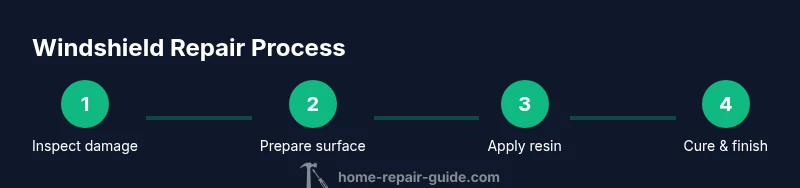
- 1
Inspect damage and secure area
Begin by parking in a safe, well-lit area. Put on safety gear and clearly mark the damaged area. Do not attempt repairs if the chip is large, spider-webbed, or near the edge. This initial step ensures you understand scope and minimizes risk before you proceed.
Tip: If you’re unsure about the damage size, measure it or take a photo for reference before proceeding. - 2
Gather tools and prep workspace
Assemble all required tools within reach and clean the windshield surface around the damage with isopropyl alcohol and a microfiber cloth. A clean surface improves resin adhesion and curing consistency.
Tip: Lay out materials on a soft, non-abrasive surface to avoid scratches. - 3
Apply resin and seal the area
Follow kit instructions to apply resin into the chip or crack. Use the injector to fill evenly, then place curing strips over the area to help flatten and level the resin.
Tip: Avoid air bubbles by filling from one edge to the other in small increments. - 4
Cure and protect
Allow the resin to cure per the kit’s timeframe, using UV light if required or letting it cure in direct sunlight as allowed. Keep the area undisturbed during curing.
Tip: If using UV, ensure proper eye protection and avoid skin exposure. - 5
Remove excess resin and polish
Gently remove cured resin with a razor blade or plastic scraper and polish the surface with a microfiber cloth to restore a smooth finish and improve visibility.
Tip: Do not scratch the glass while removing cured resin. - 6
Test visibility and plan follow-up
Inspect the repair for clarity and uniformity. If the damage remains noticeable or expands, schedule a professional evaluation for a more durable solution.
Tip: Document the repaired area with photos for future reference or warranty claims.
FAQ
When is windshield repair appropriate in Houston?
Repair is typically appropriate for small chips and certain crack patterns that don’t threaten structural integrity or driver visibility. Large cracks or edge damage often require replacement.
Repair is usually best for small chips; large cracks may need replacement, especially near edges or in the driver’s line of sight.
Can I perform windshield repair myself?
DIY kits can fix small chips when used exactly as directed and in proper conditions. However, improper technique can worsen damage, so consider a professional if you’re unsure.
DIY kits can work for small chips if you follow the instructions carefully, but you risk making the damage worse if you’re unsure.
Does insurance cover windshield repairs in Houston?
Many policies cover windshield repair with little or no deductible, but coverage varies. Check your policy and confirm whether a preferred shop is required.
Most policies include glass coverage, but check your plan and preferred shops before proceeding.
How long does a windshield repair take?
Typical in-shop repairs take about thirty minutes to an hour, while mobile services may take longer due to travel and setup.
Most repairs take around 30 minutes to an hour, depending on damage and service mode.
What about temporary fixes after a crack?
Temporary fixes can slow crack spread but are not substitutes for a proper repair. Seek professional service promptly for durability.
Temporary fixes help, but they aren’t a replacement for a proper repair—schedule a pro as soon as you can.
Where can I find trustworthy windshield repair in Houston?
Look for technicians with experience, transparent pricing, and clear warranties. Read reviews and ask about resin types and curing times before committing.
Find a reputable technician who explains the process and warranties before starting.
Watch Video
Key Takeaways
- Assess damage quickly to minimize propagation
- Choose repair vs replacement based on size/location of damage
- Use proper safety gear and follow kit instructions
- Schedule professional evaluation if unsure about results