Repair Rims Near Me: Practical Wheel Repair Guide Tips
Find reliable rim repair near you with our practical, step-by-step guide. Learn to assess damage, choose repair vs replacement, and locate qualified professionals safely.


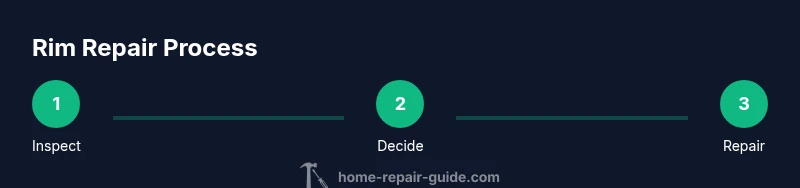
Find a local auto shop that offers rim services, confirm they can perform rim straightening or crack repair, and schedule a diagnostic to decide whether repair is viable or a replacement is necessary.
Why rim repair near me matters
Driving with a damaged rim can affect vehicle safety, handling, and tire seal integrity. Damaged rims can cause air leaks, poor wheel alignment, and unpredictable steering feedback, increasing the risk of a blowout at speed. The Home Repair Guide team emphasizes that early assessment helps avoid compounding costs: a small bend or curb rash may be repairable, while a cracked or heavily distorted rim often requires replacement. By locating rim repair services nearby, you gain access to certified technicians who can diagnose the severity, explain your options, and provide a clear repair plan. This is especially important for run-flat tires or performance wheels where precision matters for tire bead sealing and wheel balance. Consistent maintenance and timely repair minimize vibration, improve fuel economy, and preserve ride comfort. According to Home Repair Guide, proactive rim care reduces the likelihood of costly downtime and ensures you stay safe on the road.
How rim damage is diagnosed
Damage can be subtle or obvious. Start with a visual inspection for bends, cracks, curb rash, and corrosion around the bead seat. Next, check tire pressure and bead integrity by inflating slowly while watching for air loss. A runout test with a straight edge or a dial indicator can reveal wobble or lateral runout that indicates bending. If the wheel shows a crack, a missing chunk, or persistent air leakage despite tire sealant, it’s a sign the rim may be unrepairable. A professional diagnostic often includes a brake rotor check, hub assessment, and wheel balance measurement to ensure nothing else is contributing to vibrations. The Home Repair Guide analysis shows that a precise diagnostic is essential before any repair begins, helping you avoid unnecessary work and ensuring safety on the road.
Repair vs replacement: what you should know
Repairing a rim is feasible when the damage is limited to bending, true edge burrs, or minor cosmetic issues that do not compromise structural integrity. Cracks, corrosion inside the rim, or structural fatigue usually require replacement. Repaired rims should be balanced and tested for air retention before returning to service. If the wheel has multiple bends, is bent beyond repair, or has suffered a metal fatigue crack near the bead seat, replacement is the safer option. The decision also depends on rim material (aluminum vs steel), wheel weight, and the vehicle’s usage. Home Repair Guide recommends weighing safety and performance against the cost and time of repair or replacement. A reputable shop will provide a transparent diagnostic and a clear repair plan with a warranty on the work.
Common rim repair methods
Professional rim repair can include straightening, welding, and resurfacing the bead seat. Straightening uses hydraulic or mechanical presses to return the rim to its true shape, while welding may repair cracks in steel or forged aluminum rims; however, welding on aluminum requires specialized equipment and skill. Bead-seat resurfacing corrects edge imperfections that can cause air leaks. After any repair, technicians typically perform a dynamic balance test and a runout measurement to ensure the wheel spins true and the tire bead seals properly. The goal is a durable repair that restores safety margins and aligns with manufacturer tolerances. Home Repair Guide underscores that methods vary by rim type and damage extent, so a qualified shop should tailor the approach to your wheel.
DIY safety vs professional service
Do-it-yourself rim work is risky, especially if you lack experience with wheel straightening or structural repairs. High-heat welding, improper clamping, or inadequate inspection can create hidden cracks that fail under load. Always wear eye protection, gloves, and a face shield when grinding or heating rims. If you notice any crack progression, when in doubt, revert to professional service. The safest option is to rely on a certified technician who uses calibrated equipment and follows industry standards. As emphasized by Home Repair Guide, professional assessment reduces the chance of catastrophic rim failure and protects both you and other road users.
How to choose a rim repair shop near you
Start by searching for shops that specifically advertise rim repair or wheel services, then verify credentials. Look for technicians with certifications, equipment like a wheel straightener, a dial indicator, and a balance machine. Ask about warranties and whether they perform both repair and replacement, so you have options. Request a diagnostic report before any work begins and compare quotes from multiple shops to gauge fairness. A reputable shop will explain the repair scope, expected outcomes, and any risks. The Home Repair Guide approach is to select a shop that communicates clearly, provides transparent pricing, and demonstrates safety-first policies in practice.
What to expect during a diagnostic
During a diagnostic, expect a hands-on wheel inspection, pressure checks, and non-destructive testing for cracks. The technician will assess bending, runout, bead seat condition, and tire compatibility. They may remove the tire to inspect the rim bore and bead area for hidden damage. A calibrated balance test will determine if the rim is true post-repair. If cracks are found, the diagnostic should clearly state whether repair is possible or replacement is required. The diagnostic report should include a recommended repair strategy, estimated time, and warranty terms. Home Repair Guide notes that a thorough diagnostic reduces guesswork and aligns expectations with safety priorities.
Understanding costs and budgeting
Costs for rim repair vary by damage severity, rim material, and location. In many cases, the overall price is driven by whether straightening or welding is necessary, plus the cost of re-balancing and curb checks after repair. Since pricing depends on the specific wheel and shop, obtain written quotes after your diagnostic and compare them across a few nearby providers. Home Repair Guide advises homeowners to focus on value, safety, and warranty coverage rather than chasing the lowest price. Remember that repairing a rim is often a smarter long-term choice when feasible, but not at the expense of safety or performance.
The role of preventive care and maintenance
Preventive maintenance saves rims from unnecessary wear. Regular tire rotation, proper tire mounting, correct air pressure, and avoiding potholes or curbs can extend rim life. If you notice vibrations, irregular tire wear, or sudden changes in handling, seek a diagnostic sooner rather than later. Use quality tires with appropriate load ratings and inspect rims after long trips or off-road use. The Home Repair Guide team emphasizes that routine checks and early attention to rim quality help maintain vehicle safety, reduce downtime, and prolong wheel life. A proactive maintenance plan keeps your wheels performing at their best and reduces the likelihood of unexpected repairs.
Tools & Materials
- Wheel chocks(Place under tire to prevent movement while jacking)
- Floor jack(Use on a level surface; never rely on a hydraulic jack alone)
- Jack stands(Support with rated capacity; never work under a lifted wheel)
- Lug wrench(Standard size for your lug nuts; keep torque wrench handy)
- Tire iron / pry bar(Gently lever tire away from rim bead when removing)
- Torque wrench(Torque lug nuts to manufacturer spec after reinstallation)
- Safety glasses(Protect eyes from debris during removal and repair)
- Work gloves(Grip and protect hands during handling)
- Dial indicator or straight edge (optional)(Helps measure runout and straightness)
- Flashlight / headlamp(Illuminates bead seat and inner rim areas)
- Marker and notebook(Document damage and take notes for the diagnostic)
Steps
Estimated time: Estimated total time: 90-180 minutes
- 1
Prepare and secure the vehicle
Put on safety gear and clear the area. Place wheel chocks and ensure the vehicle is on a flat surface. This prevents movement and reduces the risk of injury during the procedure.
Tip: Double-check that the parking brake is engaged and the car is in gear (manual) or in Park (automatic). - 2
Loosen lug nuts while wheel is on the ground
Loosen lug nuts with a wrench before lifting the vehicle. This avoids the wheel spinning when elevated and makes removal easier later.
Tip: Do not fully remove nuts yet; loosen them slightly in a star pattern. - 3
Lift the vehicle safely
Position the jack at the recommended lift point and raise until the wheel is off the ground. Place jack stands under the frame to support the vehicle.
Tip: Never rely on the jack alone for support; always use stands. - 4
Remove the wheel
Finish removing lug nuts and lift the wheel away from the hub. Inspect the lug studs for wear as you remove the wheel.
Tip: Keep lug nuts in a safe place to avoid losing them. - 5
Inspect the rim for damage
Look for bends, cracks, or bead seat damage. Run your hand around the edge to feel for deformation and check the bead seating surface for pits or gouges.
Tip: If you feel cracks or hear a hollow sound when tapping, stop and seek professional assessment. - 6
Decide on repair approach
Based on damage type, choose straightening, welding, or replacement. Small bends and cosmetic imperfections may be repairable, while cracks or severe deformation require replacement.
Tip: Consult a professional if you’re unsure whether the rim is structurally sound. - 7
Proceed with the repair (if applicable)
If repair is viable, a trained technician will perform straightening or crack repair and re-seat the bead. The rim is then balanced to ensure smooth operation.
Tip: Do not attempt heat-based fixes unless you are trained to prevent warping. - 8
Reinstall the wheel and torque nuts
Mount the wheel, hand-tighten the lug nuts, then lower the car and torque to spec in a star pattern. Recheck after a short drive.
Tip: Ensure lug nuts are evenly torqued to avoid warping the wheel. - 9
Test and finalize
Take a short test drive to check for vibrations. Recheck tire pressure and balance, and inspect for any air leaks around the bead.
Tip: If you notice persistent vibration, revisit the shop for a readjustment.
FAQ
Can rim damage be repaired?
Yes, some rim damages like minor bends or cosmetic issues can be repaired. Structural cracks or severe deformation usually require replacement. A professional diagnostic will confirm the best path.
Yes, some rim damages can be repaired, but cracks or severe deformation usually require replacement. A professional diagnostic confirms the best path.
Is rim repair safe?
When performed by trained professionals with proper equipment, rim repair can be safe and restore function. If safety is compromised, replacement is the safer option. Always seek qualified technicians and ask about warranty.
Rim repair can be safe if done by trained pros with the right equipment; otherwise, replacement may be safer. Always check warranties.
How long does rim repair take?
Repair duration varies with damage extent and shop schedules. A diagnostic plus repair can take from a few hours to a full day. Ask for a time estimate in advance.
It varies, but you should get a time estimate when you schedule the diagnostic and repair.
What should I look for in a rim repair shop near me?
Seek shops with wheel service specialization, certified technicians, and visible safety certifications. Request a written diagnostic, warranty terms, and a before/after balance check.
Look for wheel service specialization, clear diagnostics, and warranties. Ask about a balance check after repair.
Can I drive immediately after rim repair?
Only after the wheel is reinstalled, torqued to spec, and the vehicle passes a safe test drive. If unsure, ask for a post-repair inspection before driving.
Drive only after proper re-tightening and a safe post-repair test drive; if unsure, request a quick inspection.
When should I replace a rim instead of repairing?
Replacement is advised for cracks near critical areas, corrosion inside the rim, or extensive deformation. A professional will help you compare repair viability vs replacement.
Replace the rim if cracks or extensive deformation exist; a pro can help compare repair viability.
Watch Video
Key Takeaways
- Identify rim damage early to protect safety.
- Choose repair vs replacement based on structural integrity.
- Get a formal diagnostic and written warranty.
- Prefer certified shops with proper equipment.
- Prioritize safety and professional assessment over DIY fixes.