How to Use Repair Kit Tinkers Construct: A Practical Guide
Learn how to use repair kit tinkers construct to restore tool durability, fix wear, and keep your modded setups efficient. This guide covers kit selection, workspace prep, safe handling, step-by-step application, and troubleshooting with practical tips for homeowners and makers alike.


By following this guide, you will learn how to use repair kit tinkers construct to restore tool durability, fix minor wear, and extend equipment life in your modded workflow. We cover choosing the right kit, setting up a safe workspace, applying repairs, and testing results. You’ll need basic tools and compatible components. Use clear steps for reliable, durable results.
How to use repair kit tinkers construct: Overview
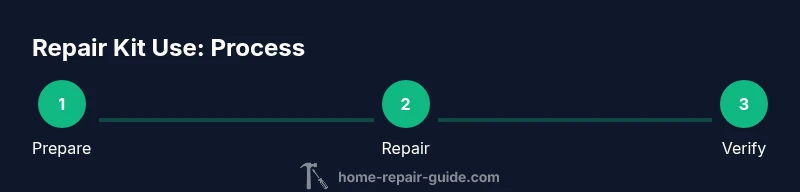
In the world of modded crafting, a repair kit for Tinkers' Construct is a practical tool for restoring worn components and extending the life of your tools. This guide explains how to use repair kit tinkers construct effectively, focusing on safety, compatibility, and reliable results. According to Home Repair Guide, choosing the right kit and following proper application steps will improve tool performance and reduce downtime. We’ll walk through selecting materials, preparing your workstation, and applying repairs with clear, repeatable steps. Whether you’re repairing axes, pickaxes, or swords, the fundamental principles remain the same: assess wear, prepare the repair compounds, apply consistently, and verify the repair through testing. As you learn how to use repair kit tinkers construct, keep your expectations realistic—kits fix wear, not dramatic damage, and proper curing is essential for long-term durability. Throughout this section we’ll use practical analogies from everyday home repair to help you translate these ideas into game-friendly practice while staying aligned with the Home Repair Guide approach to trustworthy, step-by-step tutorials.
How to use repair kit tinkers construct is not just about applying resin or composites; it’s about understanding material compatibility, cure times, and the impact on tool balance. By the end of this section you’ll know how to choose the right kit, prepare your tools, and begin repairs with confidence.
Selecting the Right Repair Kit for Tinkers' Construct
There are multiple repair kit options in Tinkers' Construct, and not every kit is compatible with every tool type. The goal is to choose a kit designed for the specific material and repair scenario you face. When evaluating options, consider the kit’s curing time, the materials it uses (such as resin, alloy, or composite compounds), and any mod-specific requirements. Home Repair Guide recommends prioritizing kits that match the tool’s core material and that offer gradual, reversible repairs rather than aggressive fills. This preserves the balance of durability and performance. In general, you want a kit that aligns with the kind of wear you see most often—edge dulling, surface scratches, or chipping—and that can be applied with the tools you already own. Remember to read the kit’s instructions for compatibility with your version of Tinkers' Construct, as updates can alter what works best. By selecting the right kit, you set a solid foundation for reliable repairs.
Choosing the right kit also means considering the scale of your project. Small fixes benefit from quick-setting compounds, while larger repairs may require longer-curing formulations. Always confirm compatibility with your game version and any other mods that could influence resin hardness or curing temperature. A deliberate selection reduces rework and helps you maintain steady tool performance over time.
Workspace Preparation and Safety Before You Repair
A clean, well-lit workspace is the first step in any repair project, and it’s especially important when handling repair kits for Tinkers' Construct. Clear the area of clutter, ensure good ventilation if fumes are possible, and lay down a protective mat or cloth to catch spills. PPE matters: safety goggles, gloves, and a disposable apron protect you from splashes, dust, and sharp edges. Good lighting reduces mistakes when applying thin layers of repair material. If your kit contains fumes or odors, consider working near a vent or outdoors. Keep a water source nearby in case of rinsing needs and have a trash container within reach for disposable wipes and packaging. Finally, organize your components (mix cups, sticks, solvents) in the order you’ll use them to minimize missteps during the repair process. According to Home Repair Guide, careful workspace setup improves accuracy and safety when learning how to use repair kit tinkers construct.
Step-By-Step Best Practices for Using the Repair Kit
Learning how to use repair kit tinkers construct benefits from following a structured approach. Start by verifying kit compatibility and preparing your materials. Work in small, controlled steps to maintain even application and avoid overfilling resin pockets. Use thin, consistent layers and allow each layer to set partially before applying the next if the kit requires it. Temperature and humidity can influence curing, so store components as recommended by the manufacturer. Finally, document any tool-specific quirks you discover, such as best layer thickness or cure duration for different metal types. This practice not only improves current repairs but also builds a knowledge base for future projects. The Home Repair Guide team emphasizes maintaining a steady pace and avoiding rushed applications to retain tool geometry and edge integrity. When you learn how to use repair kit tinkers construct, you’ll deliver durable results with fewer reworks.
Key steps include sharpening your focus on material compatibility, performing a mock test on a scrap piece, and keeping notes on cure times for different tool types. Always work in a well-ventilated area and pause if you notice any unusual smells or fumes.
In our experience, consistent technique yields the best long-term results, even if a repair seems minor at first glance.
Maintenance and Post-Repair Verification
After completing a repair, it’s essential to verify results before putting the tool back into service. Begin by gently testing the repaired area at a low load to confirm that the material has adhered properly and that the tool balance feels similar to before the repair. Check for any cracks or delamination and inspect nearby edges for stiffness or wobble. If your repair kit includes a buffing or finishing step, apply it according to the instructions to achieve a uniform surface and reduce drag. Record the outcome of the test and note any adjustments you would make next time. Regular inspection after each repair helps maintain optimal performance and reduces the risk of a future failure. As Home Repair Guide highlights, documenting outcomes supports continuous improvement in your tinkers construct repairs.
Troubleshooting Common Issues with Repair Kits for Tinkers Construct
Even with careful preparation, you may encounter issues when using a repair kit for Tinkers' Construct. Signs of trouble include poor adhesion, air bubbles in the cured layer, or tool imbalance after repair. If adhesion is weak, double-check surface prep and ensure the repair material is compatible with the base tool. Air bubbles can often be minimized by applying thinner coats and using a degassing step if your kit supports it. If the tool feels off-balance after repair, re-evaluate the layer thickness and curing conditions. For stubborn problems, consider removing the repair and reapplying with stricter controls on temperature, humidity, and cure time. The Home Repair Guide team notes that methodical, patient repetition usually resolves most issues and yields stronger, more reliable results.
Additional Resources and Safety Warnings
For deeper understanding, consult manufacturer guidelines for your repair kit and the Tinkers' Construct mod documentation. Safety remains a priority: never mix incompatible materials, avoid open flames near resin compounds, and dispose of waste according to local regulations. If you are repairing a critical tool, practice on a scrap edge first to refine your technique without risking valuable gear. This approach reduces costly mistakes and builds confidence over time. The Home Repair Guide team recommends revisiting these steps whenever you try a new kit or tool type to ensure consistency and safety across repairs.
Tools & Materials
- Repair kit compatible with Tinkers Construct(Ensure version compatibility with your game/mod)
- Base repair resin or alloy compound(Match material to tool type)
- Finishing cloth or solvent wipes(For surface prep and cleanup)
- Disposable gloves(Protect skin from chemicals)
- Safety goggles(Eye protection against splatters)
- Mixing cups with disposable liners(Keeps components clean and separate)
- Fine-grit sanding pad or file(For smoothing edges after curing)
- Water or solvent for cleanup(Used as needed, follow kit instructions)
- Cloth rag or microfiber towel(Wipe surfaces and drills)
Steps
Estimated time: 45-60 minutes
- 1
Gather tools and safety gear
Collect the repair kit, compatible materials, base tools, and PPE. Set up a clean, well-lit workspace and verify the kit’s instructions before starting. Organize everything in the order you’ll use it to avoid cross-contamination and delays.
Tip: Lay out items in order of use on a tray. - 2
Inspect tool for wear
Carefully examine the tool for cracks, bends, dull edges, or surface damage. Document areas needing repair and decide on the appropriate repair approach based on wear type and severity.
Tip: Use a magnifying glass or good lighting to spot fine flaws. - 3
Prepare repair kit and materials
Open the kit and confirm all required materials are present. Check color match, viscosity, and curing times. Pre-mix or separate components as directed, ensuring clean surfaces for bonding.
Tip: Do not mix more material than you can apply within the working time. - 4
Clean damaged area
Remove debris, oil, and loose particles from the repair site using a dry cloth or solvent as permitted. A clean surface ensures better adhesion and a stronger repair.
Tip: Avoid leaving moisture on the surface, which can weaken bonding. - 5
Apply repair material
Apply a thin, even layer over the damaged area. Avoid overfilling; build in layers if needed and allow partial curing if required by the kit.
Tip: Work in short, controlled passes to prevent air pockets. - 6
Cure, verify, and test
Let the material cure fully per instructions. After curing, gently test the bond and then reassemble or use a light-load test to confirm stability before normal use.
Tip: If the first attempt fails, rework with adjusted thickness and cure times.
FAQ
What is the repair kit in Tinkers' Construct?
A repair kit in Tinkers' Construct helps restore tool durability and fix minor wear by applying compatible materials to damaged areas. It’s designed to extend tool life, not to fix severe damage. Always follow kit instructions for best results.
The repair kit in Tinkers' Construct restores tool durability by applying compatible materials to worn areas. Follow the kit instructions for the best results.
Can you use any repair kit with Tinkers' Construct tools?
Not all kits are compatible with every tool type. Use kits specifically designed for Tinkers' Construct materials and versions to ensure proper adhesion and curing. Check your mod documentation for compatibility notes.
Not all kits work with every tool. Use kits designed for Tinkers' Construct and check the mod docs for compatibility.
Does repairing with a kit affect tool stats?
Repairing with a kit typically restores durability and surface integrity without drastically changing inherent tool stats. Some mods may adjust balance slightly, so monitor performance after repairs.
Repairing generally restores durability and surface integrity without major stat changes, but balance can vary by mod.
Are there safety concerns when using repair kits?
Yes. Wear PPE, work in a ventilated area if fumes are possible, and keep repair materials away from children. Follow kit guidelines closely to minimize risk.
Yes, wear PPE, ensure ventilation if fumes exist, and follow the kit’s safety guidelines.
What should I do if a repair doesn't hold?
If a repair fails, re-examine surface prep, reduce layer thickness, and ensure proper curing. Consider trying a different compatible material or seeking guidance from mod-specific forums.
If it doesn't hold, check prep, adjust layers, and ensure proper cure times; consider alternate materials.
Watch Video
Key Takeaways
- Identify the right repair kit before starting
- Prepare the surface thoroughly for strong adhesion
- Apply repair material in thin, repeatable layers
- Allow full cure and verify with a test
- Document outcomes for future repairs