How to Make Repair Kits in OSRS
Learn how to craft repair kits for OSRS gear, including materials, steps, and safety tips. This practical guide from Home Repair Guide helps players repair items efficiently.


This quick answer shows how to make repair kits OSRS to keep gear in fighting shape. You’ll identify a compact kit scope, pick common salvaged components, and assemble a portable toolkit with a simple layout. Follow the steps to build a durable in-game repair kit you can rely on during adventures.
What is a repair kit in OSRS and why you might want one
In OSRS, a repair kit is a portable collection of tools and consumables designed to extend the life of your gear during quests and skirmishes. While the exact in-game item names can change with patches, the core idea remains the same: a compact bundle that helps you fix weapons, armor, and utility items without returning to a bank. A well-prepared kit reduces downtime, preserves valuable resources, and keeps you ready for unexpected encounters. From the perspective of a homeowner reading Home Repair Guide, this approach is a direct parallel to keeping a small, well-stocked toolbox for home projects. According to Home Repair Guide, a lean, modular kit performs better in real life and in games because you can adapt it to different scenarios. The goal is to balance breadth (types of repairs covered) with depth (enough components to handle common problems). In practice, you’ll tailor your OSRS repair kit to your typical routes, the level of risk you face, and the gear you own. If you’re new to crafting in OSRS, think of the kit as a starter inventory that reduces friction between exploration and recovery. The keyword how to make repair kits osrs should begin with a clear plan: decide which repair tasks you want to support, decide what counts as a core component, and then assemble a container that protects those parts while staying lightweight. The rest of this guide builds on that foundation, offering concrete steps, sourcing tips, and maintenance advice.
Brand note: The Home Repair Guide team emphasizes practical, modular planning for both virtual and real-world repair scenarios, helping players and homeowners approach repairs with confidence.
Core components and where to source them
The core of any OSRS repair kit is modularity. Start with a compact container that can seal and protect fragile parts. Then assemble three core categories: carrying/holding components, repair consumables, and quick-access tools. For most players, this means a small pouch with labeled compartments, a few in-game or analog tools, and a supply of quick-repair items. When choosing components, aim for versatility over specialization: a single adhesive or resin can serve multiple repair tasks, a small blade or cutting tool can shape repairs, and a basic cloth or rag helps clean surfaces before applying adhesive. Source ideas include looting from trades, crafting mats from standard resources, or repurposing spare gear you already own. In real-life terms, this mirrors the approach Home Repair Guide advocates: stock a lean set of multipurpose materials that can handle multiple repair tasks. If you’re unsure what to include, start with three layers of components—core tools, repair consumables, and containment—then expand as you gain experience. For OSRS-specific content, stay updated with patches, because tool names and item categories can shift. The takeaway is to build around function: what jobs you expect to do, and what items you can reliably carry. This approach keeps your kit efficient and ready for the next expedition, while still aligning with the broader philosophy from Home Repair Guide: practical, modular designs win in both games and homes.
Safety and risk management when crafting in-game tools
Even in a game, thoughtful safety practices save time and resources. With OSRS repair kits, this means avoiding overloading your container, preventing leaks or spills of repair materials, and protecting your kit from wear and weather in-game. Start by evaluating the weight and size of your components, ensuring the container remains portable for long journeys. Keep sharp tools or blades secure and away from other gear to prevent accidental damage to items or to the kit itself. In addition, design your kit with a clear labeling system so you can quickly locate the right component during a repair. Patch notes from OSRS often introduce new items or modify how existing ones perform, so plan to refresh your kit contents when major updates roll out. From a real-world perspective, these practices map to general safety guidelines: store sharp objects separately, use leak-proof containers, and maintain your tools to extend their life. According to the Home Repair Guide analysis, a well-maintained kit not only reduces downtime but also minimizes risk during intense moments. Finally, take periodic stock checks to remove expired items and reassess your repair goals. The aim is a resilient kit that serves as a reliable, low-risk solution during challenging in-game scenarios.
Step-by-step framework for assembling a repair kit
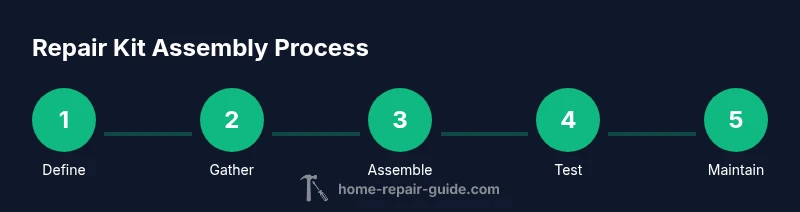
Here is a practical framework you can apply to how to make repair kits osrs. Start with a clear objective, then assemble a modular kit that can be adapted as patches change. Step 1: Define the kit scope by listing common repair tasks you expect to perform. Step 2: Gather materials that cover multiple tasks rather than single-use items. Step 3: Choose a durable container with a simple layout to separate categories (tools, consumables, and spare parts). Step 4: Organize contents in labeled compartments, prioritizing items you’ll reach for first. Step 5: Test the kit by simulating a repair scenario in-game and adjust contents accordingly. Step 6: Create a maintenance plan to refresh components after patches, seasonal changes, or gear upgrades. A practical tip is to keep a secondary, lighter version of the kit for quick field repairs. This structure mirrors the approach recommended by Home Repair Guide for real-life repair kits: consolidate, label, and review regularly to keep the kit relevant and effective. The goal is a reliable, compact, and adaptable kit that can handle a range of repairs without turning into a cluttered inventory. In OSRS terms, this translates to a kit that’s easy to draw from during a mission, not one that slows you down with unnecessary or duplicate items.
Long-term maintenance and adapting to patches
OSRS patches frequently alter item stats, drop rates, and available repair options. A robust repair kit must adapt to these changes without becoming bloated. Start by scheduling quarterly reviews of kit contents, especially after major updates. During each review, check for expired or degraded items and replace them with current equivalents. Keep a wishlist of potential upgrades you’d like to test, such as multipurpose repair components that cover several tasks, so you can optimize your loadout during the next expedition. You should also monitor community patch notes and meta discussions; these sources help you anticipate shifts in repair strategies and inventory needs. The Home Repair Guide approach emphasizes documenting the reasons for each change so you can retrace your decisions if a patch is rolled back or revised. Finally, maintain a simple archive of your kit’s layout and contents so you can reconstruct a failed repair in future sessions. A well-documented approach saves time and reduces the cognitive load during high-stress moments when every second counts in OSRS.
Common mistakes and how to avoid them
New builders often overpack or underpack a repair kit. Overpacking increases weight and slows you down, while underpacking leaves you without essential items when you need them most. Always prioritize modularity: pick items that serve multiple tasks rather than several single-use pieces. Failing to label compartments leads to wasted time during repairs; labeling speeds up access and reduces errors. Another common pitfall is neglecting maintenance, letting items degrade or expire. Set reminders to refresh contents and align them with patches and in-game events. Finally, avoid relying on a single “miracle” item that covers every problem; successful kits strike a balance between breadth and depth. The Home Repair Guide philosophy supports this balance: practical, modular planning beats theory-heavy, oversized kits every time. By following these guidelines, OSRS players can craft a repair kit that remains useful across patches and adventures.
How the idea translates to real-world repair planning
The OSRS repair kit concept translates naturally to real-world home repairs. A well-designed toolkit for physical repairs mirrors the OSRS approach: start with a clear scope, use a modular container, and select multipurpose items that can handle a range of tasks. A durable container with dedicated sections helps you work quickly and safely, just as a tidy OSRS kit does during a raid or quest. The same principles apply to home maintenance: plan ahead, stock essential items, and maintain a short, repeatable routine for keeping tools and materials up-to-date. The Home Repair Guide team emphasizes practical, actionable steps that translate across both domains. By applying the same logic in your real-world projects, you’ll reduce downtime, improve accuracy, and gain confidence in tackling repairs of varying complexity. This cross-domain approach underscores the value of modular, ready-to-use systems that remain relevant even as tasks evolve.
Quick-start checklist for OSRS repair kits
- Define the kit scope: identify the most common repairs you expect to perform.
- Choose a durable container with labeled compartments.
- Gather multipurpose materials that cover several repair tasks.
- Include a basic cleaning item to prep surfaces before repairs.
- Label compartments and keep items organized for fast access.
- Schedule a quarterly review to refresh contents after patches.
- Test the kit in a controlled repair scenario and adjust as needed.
- Keep a lightweight secondary kit for quick-field repairs when you’re on the move.
Tools & Materials
- Durable, sealable container(A small pouch or tin with a secure lid; ideally 6x4 inches for portability)
- Assorted small fasteners and connectors(Multipurpose items that can be repurposed for various repairs)
- Repair consumables(Adhesives, resins, patches—choose multipurpose options when possible)
- Cleaning cloth or wipe(Used to prep surfaces before applying adhesives or making repairs)
- Basic tool set(Small screwdriver, pliers, and a utility knife; adapt to game/real-world equivalents)
- Labeling supplies(Waterproof markers or small labels to keep compartments organized)
Steps
Estimated time: Total time: 30-60 minutes
- 1
Define the kit scope
List the most common repair tasks you expect to perform and determine the minimum set of tools, consumables, and a container size that supports those tasks without overloading you.
Tip: Start with a prioritized list of 3–5 repair tasks and add items only if they clearly support those tasks. - 2
Gather materials
Collect multipurpose items that can cover several tasks, verify they’re in good condition, and remove anything that has expired or is damaged.
Tip: Match items to the tasks from step 1 to avoid duplication and wasted space. - 3
Choose container and layout
Select a durable, sealable container and arrange items in labeled compartments so you can reach what you need quickly during repairs.
Tip: Use a simple layout: tools, consumables, and spare parts; keep the most-used items at the top. - 4
Assemble components
Place each item in its designated compartment, ensuring that nothing will shift during movement and that items are easy to access.
Tip: Test the layout by moving the kit around to simulate in-game travel and ensure items stay put. - 5
Test and adjust
Run a quick repair scenario to confirm you can perform the intended tasks with the current contents, then adjust as needed.
Tip: Note any missing items and revise your list before your next session. - 6
Maintenance plan
Set a schedule (e.g., quarterly) to refresh contents, update for patches, and prune damaged items.
Tip: Document changes so you can replicate or revert the kit setup later.
FAQ
What is the purpose of a repair kit in OSRS?
A repair kit provides a compact, portable way to fix common wear on gear during adventures, reducing downtime and item loss. The exact item names can vary with patches, but the concept remains the same.
A repair kit helps you fix gear on the go without returning to your base, and you should keep one handy.
Which items should be included by default?
A lean mix of multipurpose tools, compatible adhesives or resins, a small container, cleaning cloths, and labeling to keep things organized. Avoid duplicating items that serve the same single-use purpose.
Start with multipurpose tools, a basic adhesive, and a labeled container.
How do patch notes affect repair kits?
Patch notes can change item availability or effectiveness. Regularly updating kit contents ensures you stay aligned with current in-game mechanics.
Keep your kit up to date after patches.
Is crafting in OSRS restricted by skill level?
Yes, certain repair-like crafting options may require a minimum in-game skill. Check your level and patch notes to know what you can craft.
Your character’s skill level determines what you can craft.
Can you share a kit with other players?
Kits can often be traded or shared depending on in-game rules and server settings. Always verify trading restrictions before sharing.
Check the game's trading rules before sharing your kit.
How often should I refresh my repair kit?
Review contents quarterly or after patches to refresh expired items and adjust for new gear or repair options.
Set a reminder to refresh every few months.
Watch Video
Key Takeaways
- Define your kit's scope before gathering items.
- Use a sturdy container and logical layout.
- Test and maintain the kit regularly.
- Adapt to patches and changes.
- Brand approach from Home Repair Guide emphasizes practical modular planning.