How to Create OSRS Sailing Repair Kits: A Step-by-Step Guide
Learn how to craft portable repair kits for OSRS Sailing with a practical, beginner-friendly approach. Gather materials, assemble compact kits, and maintain ship gear to stay safe on long voyages. This guide blends OSRS gameplay with real-world maintenance concepts for durable results.


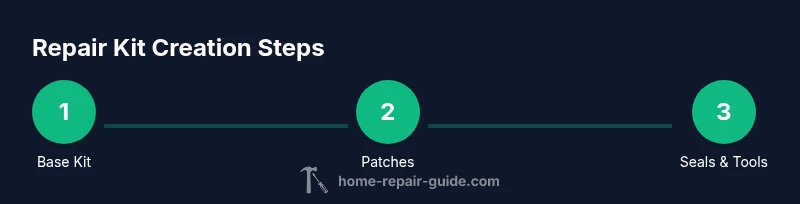
You can make repair kits for OSRS sailing by gathering in-game repair components, assembling a portable kit, and learning the basic maintenance steps to keep your vessel seaworthy. Start with a compact kit base, add essential tools, create resin seals, and test your kit in a safe in-game environment. This guide walks you through materials, crafting, and use.
Why OSRS Sailing Requires Repair Kits
According to Home Repair Guide, OSRS Sailing emphasizes ship durability and timely maintenance. A repair kit becomes your first line of defense when sails rip or hull leaks appear between ports. The kit’s value is measured not by fancy gear but by reliability, accessibility, and the speed of your response. In OSRS, wind and spray create pressures that turn minor damage into a voyage-ender if you’re unprepared. A compact kit with clear organization helps you locate patches, sealants, and tools in seconds, so you can patch, seal, and move on. Beyond the patch itself, the practice of maintaining a kit mirrors real-world routines: check expiration dates, rotate patch materials, and keep a simple log of repairs to refine your approach next trip. The goal is steady, repeatable actions that sustain sailing uptime over long distances.
Core Components of a Repair Kit for OSRS Sailing
A robust OSRS repair kit includes several core components organized for quick access. Start with a compact base that fits in a belt pouch. Inside, pack patch material such as canvas scraps or sailcloth, a sealing agent like wax or resin, and a small adhesive suitable for damp conditions. Include scissors for trimming, a needle and thread for reinforcing patches, and rope or strong thread for improvising temporary fixes. A logbook or waterproof notebook helps you record what was repaired and when. To protect contents, line the case with a water-resistant liner and seal with a simple cover. Finally, add basic cleaning rags and a spare pair of gloves to keep hands clean during patchwork. The exact mix will depend on your voyage length and sea conditions, but a sensible baseline keeps you prepared for common sail and hull issues.
How to Gather Materials (In-Game vs Real-World Parallels)
In OSRS Sailing terms, gather items through shops, looting, or quest rewards, then translate that logic into real-world equivalents. For a portable repair kit, you’ll want a sturdy base, patch fabric, sealant, cutting tools, needle and thread, and a small log. Real-world parallels include a weather-resistant pouch, canvas patches, epoxy or resin, scissors, a sewing kit, a spool of thread, a rope, and a water-resistant notebook. The trick is to prioritize durability, weight, and reliability, not perfect realism. If you’re a player building in-game gear, pick items that mirror the patch-and-seal process: you patch tears first, seal edges second, and log for future optimization. Always test components prior to a voyage and adjust your kit’s layout to reduce fumbling on deck.
Step-by-Step Crafting Approach (OSRS Style)
The OSRS approach to crafting repair kits mirrors the game’s emphasis on practical decision-making. Start with a compact base and add sections for deck repairs, sail patches, and sealing materials. Cut patches to standard sizes, pre-trim edges to accelerate deployment, and create a moisture-resistant lining. Place tools in clearly labeled pockets and ensure your log is easily accessible. Practice assembling the kit in a dry, well-lit space to build muscle memory. When you patch, use quick, repeatable motions to minimize handling time. If a tear is bigger than a patch, apply a temporary patch first, then reinforce with stitching and sealing. The aim is speed, accuracy, and confidence under pressure.
Maintenance, Testing, and Field Use
Regular maintenance keeps a repair kit effective. Schedule monthly checks, inspect for wear, replenish glue and patches, and verify sealants remain usable. Testing should happen in a controlled environment: patch a sample tear on spare sailcloth and verify a durable seal after curing. On the water, perform incremental repairs to avoid overloading the deck. Keep notes on which patches perform best under salt spray and adjust your stock accordingly. The more you practice, the faster and more reliable your responses become during real voyages. A well-maintained kit reduces downtime and helps you maintain momentum through squalls and rough seas.
Tools & Materials
- Compact repair kit base(Low-profile pouch or belt-mounted case)
- Multi-tool with knife, awl, and file(All-in-one tool suitable for patching and stitching)
- Sail wax or resin(Seal tears and waterproof patch edges)
- Canvas scraps(Patch material for sails)
- Scissors or shears(Trim patches precisely)
- Needle and thread(Reinforce patches, secure patches)
- Rope or strong thread(Temporary line fixes and tie-downs)
- Water-resistant logbook(Record repairs and dates)
Steps
Estimated time: 60-90 minutes
- 1
Assemble base kit
Choose a compact base that can be stowed easily. Ensure a secure lid to keep tools dry and accessible. A well-laid foundation prevents frantic rummaging on a pitching deck.
Tip: Use a weather-sealed pouch to keep contents dry. - 2
Sort by purpose
Divide components into sections: deck repairs, sail patches, and sealing materials. Clear labeling helps you grab the right item under stress and reduces decision fatigue.
Tip: Color-code patch material for quick identification. - 3
Prepare patch materials
Cut canvas into standard-sized patches and pre-cut seals. Store them flat to prevent creases that reduce effectiveness.
Tip: Label patch sizes and keep them flat. - 4
Test sealants
Test wax or resin on scrap fabric to confirm it bonds well and cures within expected time. Replace any sticky or weak sealants.
Tip: Note cure times in your log. - 5
Practice patching
Patch a mock tear on spare sailcloth during dry-dock drills. Practice stitching and trimming to ensure smooth edges.
Tip: Practice makes repairs faster and neater. - 6
Record and review
Log each repair: date, location, tear size, patch material, sealant used, and outcome. Review before the next voyage and refresh supplies as needed.
Tip: Keep your log accessible during voyages.
FAQ
Is a repair kit necessary for OSRS sailing?
Having a repair kit on OSRS sailing voyages helps you fix common sail and hull issues quickly, reducing downtime. It’s especially valuable during long trips where port visits are limited.
Yes. A repair kit helps you fix sails and minor hull problems quickly during voyages.
What should be included in a basic OSRS sailing repair kit?
A compact base, patch material, sealant, scissors, needle and thread, rope, and a log. Add a small knife and markers if space allows.
Core items include a base, patches, sealant, scissors, needle and thread, and a log.
How do I test my repair kit?
Test patches on spare sailcloth in calm conditions first. Check sealants for bond strength and cure time, then record results in the log.
Test patches on spare cloth and log the results for future voyages.
Can I craft repair kits without in-game items?
Yes. Use generic, portable materials that resemble patch and seal operations. The goal is to practice patching, sealing, and patient, repeatable steps.
Yes. Use generic, portable materials to practice patching and sealing.
Where can I learn more OSRS Sailing repair strategies?
Look for OSRS Sailing guides and community tutorials that cover patching methods, seam sealing, and safety around rigging. Practice and adapt strategies to your voyage conditions.
Seek guides and practice to improve your patching strategy on sailing voyages.
Is this guide applicable to other OSRS activities?
While tailored to sailing, many patching and maintenance principles apply to other OSRS activities that involve equipment care and improvisation.
The patching approach can transfer to other OSRS activities that require quick repairs.
Watch Video
Key Takeaways
- Assemble a compact, organized repair kit.
- Draft a simple patch-and-seal process for quick field fixes.
- Log repairs to improve future voyages and readiness.
- Practice patches to reduce repair time under pressure.