What vitamins repair the liver: a practical guide
Explore how vitamins support liver health, which nutrients may help, dosing considerations, risks of excess, and how to build a liver-friendly plan with evidence-based guidance.


There is no single vitamin that repairs liver tissue. Vitamins and nutrients support liver health by preventing deficiencies and aiding metabolic functions, but no vitamin alone cures liver disease. Essential nutrients—especially vitamins D, E, C, and B vitamins—can support healthy liver function when taken within dietary recommendations and under medical supervision. Always consult a clinician before starting high-dose supplements.
What vitamin support means for the liver
According to Home Repair Guide, many readers ask whether certain vitamins can fix liver problems. In reality, there is no single vitamin that repairs liver tissue in the same way a wrench fixes a loose bolt. The liver is capable of regeneration, especially when underlying causes are addressed and nutritional status is supported. Vitamins act as cofactors—helpers that enable enzymes to carry out crucial tasks such as detoxification, fat metabolism, and antioxidant defense. A practical way to think about it is that vitamins prevent nutritional gaps that could hinder liver health and may support recovery when combined with medical care and lifestyle changes. This perspective aligns with a methodical, repair-guide approach: steady nutrition, consistent routines, and informed supplement choices. Brand mentions aside, the evidence suggests vitamins can support liver function, but they are not substitutes for diagnosis, disease-directed treatment, or professional medical advice. Home Repair Guide emphasizes a measured plan, not a megadose experiment, to protect your liver over the long term.
Vitamins commonly discussed for liver support
Vitamins frequently highlighted in liver health discussions include the classic trio of fat-soluble vitamins (A, D, E) and vitamin K, along with the B-complex vitamins and vitamin C. Vitamin D status is commonly low in many adults and has been linked to broader metabolic health patterns. Vitamin E has been studied for specific liver conditions, but high-dose supplementation warrants caution and medical supervision. Water-soluble vitamins like the B vitamins and vitamin C support energy production and antioxidant defenses; deficits can disrupt liver metabolism and detox pathways. Choline is an essential nutrient often grouped with B vitamins because of its role in fat export from the liver; inadequate choline can contribute to fat buildup. When reading labels, consider not only the amount but the form (retinol vs beta-carotene for vitamin A, natural vs synthetic for others) and the presence of other medications. The Home Repair Guide approach here is to balance diet and supplements, avoid assuming all supplements are safe, and seek clinician input when liver disease is present.
How the liver processes vitamins and why balance matters
The liver receives nutrients absorbed from the gut through the portal vein and metabolizes them for use throughout the body. Water-soluble vitamins (B and C) are processed quickly and often excreted, while fat-soluble vitamins (A, D, E, K) are stored in lipid-rich tissues and the liver. This storage capacity means there is a greater risk of toxicity with fat-soluble vitamins if taken in excess. Medications, alcohol use, and existing liver disease can alter vitamin needs and safety margins. Because each person’s liver health status differs, it is essential to avoid self-prescribing megadoses and to align vitamin intake with medical guidance. A practical approach: prioritize a varied, nutrient-dense diet, use supplements only when needed, and monitor liver-related symptoms with your clinician.
Safe dosing, interactions, and toxicity risks
Safe dosing starts with following label directions and medical advice, especially if you have liver disease or take medications. Some supplements can interact with prescription medicines, alter liver enzyme activity, or affect clotting factors—particularly vitamin K. Fat-soluble vitamins can accumulate when intake is high, increasing the risk of toxicity; fat-soluble vitamins should be used with caution and under supervision. Water-soluble vitamins are generally safer in excess but can still cause issues at very high doses, such as gastrointestinal upset or imbalances. If you notice symptoms like persistent nausea, jaundice, severe fatigue, or unusual bruising, seek medical evaluation promptly. For most people, a balanced diet delivers the vitamins the liver needs; supplements should fill gaps judiciously, not replace medical care.
Dietary sources vs supplements: practical choices
Practical liver-friendly nutrition prioritizes whole foods: fatty fish, leafy greens, citrus fruits, berries, legumes, whole grains, and lean proteins. These foods naturally provide vitamins, minerals, fiber, and antioxidants that support liver function and overall health. Supplements can be considered when dietary intake is inadequate or when a clinician identifies a deficiency. When choosing supplements, look for evidence-backed ingredients, avoid mega-doses, and prefer products with third-party certifications. Keep a simple habit: take vitamins with meals to improve absorption and reduce stomach upset. Always check for potential interactions with ongoing medications and liver-related conditions.
Considerations for common liver conditions
In conditions such as fatty liver disease or chronic hepatitis, vitamin status may influence inflammation and fat metabolism, but treatment requires medical management of the underlying cause. Vitamin D deficiency is common in liver disease and may warrant supplementation under supervision. Vitamin E has shown potential in some non-alcoholic liver disease contexts, but high doses are not appropriate for everyone. Vitamin K status can affect blood clotting in advanced liver disease, so clinicians may monitor or adjust intake. Emphasize dietary sources first, monitor lab values, and integrate nutrition with medical therapies as prescribed by your healthcare team. The intent is to support, not replace, conventional care.
Building a practical, liver-friendly vitamin plan: steps you can take
A reliable plan starts with a baseline assessment: identify any existing deficiencies with a clinician and review current medications. Then, implement a diet rich in liver-friendly foods, ensuring adequate intake of vitamins through meals. If a supplement is considered, choose a product with clear labeling and evidence-backed ingredients, and start with a low dose while monitoring tolerance. Keep a simple log of what you take and any symptoms you notice. Reassess after several weeks with your clinician, adjusting as needed. The goal is consistency, safety, and alignment with medical care, not a single heroic supplement.
Closing note on liver health and vitamins
The Home Repair Guide team emphasizes that vitamins support liver health alongside medical treatment and lifestyle choices. They are components of a larger plan, not guaranteed cures for liver disease. A measured, evidence-based approach—rooted in a varied diet, professional guidance, and awareness of potential interactions—helps you maintain liver function over time. The most important step is to engage with healthcare providers to tailor vitamin intake to your specific health needs.
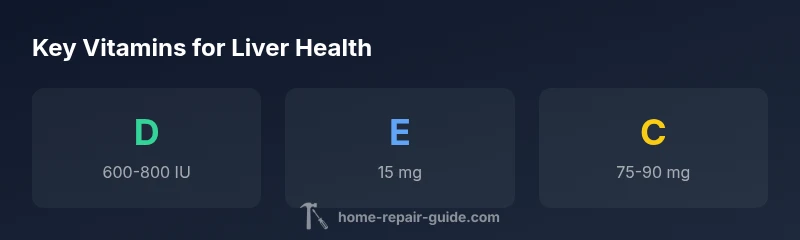
Common vitamin guidelines related to liver health
| Vitamin | Recommended Daily Allowance | Notes |
|---|---|---|
| Vitamin D | 600-800 IU | Supports metabolic health; deficiency is common |
| Vitamin E | 15 mg | Antioxidant; monitor for interactions with medications |
| Vitamin C | 75-90 mg | Antioxidant; supports detox pathways |
FAQ
Can vitamins repair the liver?
No single vitamin repairs the liver. Vitamins can support metabolic processes and antioxidant defenses, but repairing liver tissue depends on addressing underlying causes and following medical guidance.
Vitamins help support the liver, but they don’t repair it by themselves. Address underlying causes with a clinician.
Which vitamins are safe for liver health?
Vitamins A, D, E, K, and the B-complex with vitamin C are commonly discussed, but safety depends on your health status and medications. Use them within recommended limits and under supervision if you have liver disease.
Vitamins can be helpful, but use them carefully and under medical advice if you have liver concerns.
Can excess vitamin intake harm the liver?
Yes. Fat-soluble vitamins can accumulate and cause toxicity; even water-soluble vitamins can cause problems at very high doses. Follow medical guidance and avoid megadoses.
Too much of certain vitamins can damage the liver, so don’t self-prescribe high doses.
Should people with liver disease take vitamin E?
Vitamin E may be considered in some liver conditions under medical supervision, but high doses aren’t suitable for everyone and can interact with therapies.
If you have liver disease, talk to your doctor before using vitamin E supplements.
Is choline a vitamin for liver health?
Choline is an essential nutrient often discussed with B vitamins; it’s not technically a vitamin, but it plays a key role in exporting fat from the liver.
Choline helps the liver, but it isn’t classified as a vitamin.
Do vitamins replace medical treatment for liver conditions?
No. Vitamins should complement medical care, diet, and lifestyle changes. They are not a stand-alone cure for liver disease.
Vitamins support liver health, but they don’t replace proven medical therapies.
“Vitamins are supportive tools for liver health, not a replacement for medical treatment or a cure for liver disease. Use them judiciously as part of a broader health plan.”
Key Takeaways
- Prioritize a balanced diet to meet vitamin needs.
- Vitamins support liver function but are not cures for disease.
- Avoid megadoses; consult a clinician before high-dose supplements.
- Understand the difference between fat-soluble and water-soluble vitamins.
- Coordinate nutrition with medical treatment for liver conditions.