How to Get Repairs Done by a Repair Shop
Learn how to prepare, request estimates, and securely get items repaired by a reputable repair shop. This practical guide helps homeowners and renters avoid surprises and extend the life of their belongings.


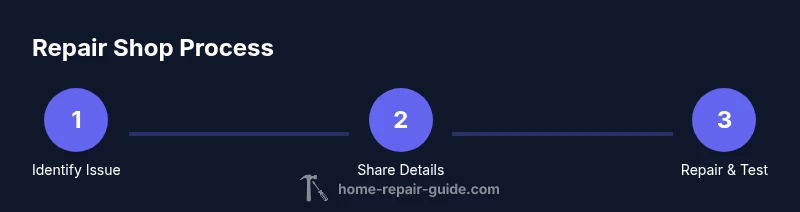
Getting repairs done by a shop starts with identifying the problem, gathering essential details (item, model, proof of purchase, and any warranty), and contacting a reputable repair shop to request an estimate. According to Home Repair Guide, clear documentation and choosing a shop with transparent pricing reduces delays and surprises.
Why a Repair Shop Is Often the Best Option
For many household items, repair is more economical and environmentally friendly than replacement. A qualified repair shop can diagnose issues, source genuine parts, and provide professional labor that extends the life of your investment. According to Home Repair Guide, choosing a reputable shop that communicates clearly reduces misdiagnoses and unexpected costs. By bringing the item to a specialist, you gain access to expertise you may not have at home, from electronics to appliances. In addition, a repair can preserve original warranties where applicable and help maintain resale value. When you decide to repair, you also keep the opportunity to understand what failed and why, which increases your odds of avoiding the same problem in the future. This approach is particularly valuable for items with complex networks, such as smart appliances or electronics, where a DIY fix could cause further damage.
As a homeowner or renter, your goal is to minimize downtime and maximize reliability. A repair shop can offer corrective actions, preventive advice, and a documented service history that helps you plan future maintenance. While some repairs are straightforward, others require diagnostic equipment and trained technicians who understand parts compatibility and safety standards. The Home Repair Guide team emphasizes that choosing the right shop is as important as the repair itself because a skilled technician can save you both time and money in the long run.
When to Repair vs. Replace
Deciding between repair and replacement depends on the item’s age, the availability of spare parts, and the expected lifespan after repair. A repair that restores full functionality without frequent future failures can be the more sustainable option. If the item is older, has recurring issues, or requires costly components, replacement may be more cost-effective in the long run. The Home Repair Guide team emphasizes weighing total costs, not just the upfront price, and considering the environmental impact of both options. Additionally, some items have built-in warranties that cover repairs, which can influence the decision. When evaluating, consider how critical the item is to daily life, the potential downtime involved, and whether a newer model could offer better energy efficiency or upgraded safety features. This balanced approach helps you avoid over-investing in a repair that may not deliver years of reliable service.
How to Choose a Reputable Repair Shop
Start by checking licenses or certifications where applicable, reading recent customer reviews, and asking for references. A transparent shop will provide a written estimate, explain parts and labor costs, and outline any diagnostic fees. Look for shops that offer a warranty on repairs and stand behind their workmanship. If you can, ask neighbors or friends for recommendations and verify the shop’s contact information and business address. Finally, compare a few quotes to avoid being locked into a single option and ensure you understand each shop’s terms of service. A reputable shop will also share safety practices, data handling policies (for electronics), and a clear communication plan should problems arise. The goal is confidence that the repair will be performed with quality parts and proper testing before you take the item home.
Remember that a trustworthy shop will not pressure you into unnecessary services. They should explain why a repair is recommended, what alternatives exist (including a plan if a repair is not possible), and how they handle returns or partial work if the diagnosis changes mid-process.
Gather Key Information Before You Call
Collect essential details before you reach out: a clear description of the symptom, the item name, model and serial numbers, purchase date, and any existing warranties or service plans. Having recent photos or videos of the issue helps technicians diagnose more accurately. Also pull receipts, manuals, and a list of accessories (remote controls, power adapters, cables). The more precise your information, the faster the shop can determine whether a repair is feasible and provide a realistic timeline and price range. This preparation not only speeds up the initial contact but also reduces the chance of miscommunication about what is wrong and how it should be fixed. Home Repair Guide recommends organizing files in a single folder or digital note for easy sharing with the shop.
How to Request an Estimate: Diagnosis vs. Quote
Ask for a formal diagnosis if you’re uncertain about the root cause, followed by a written estimate that breaks down parts, labor, and any diagnostic fees. Some shops offer a diagnostic fee to cover the initial inspection; ensure this is disclosed in writing. If the item is still under warranty, ask whether the repair would be covered and what conditions apply. Request a timeline for completion and whether loaner devices or in-home service are available. Clear communication at this stage helps prevent disagreements later and gives you a basis for comparing options fairly.
Understanding Estimates: Parts, Labor, and Fees
Estimates usually break out parts, labor, and any additional charges. The listed parts should include part numbers or acceptable substitutes, and the labor rate should reflect the estimated hours. Be alert for potential upcharges such as expedited service, disposal fees, or environmental charges. Ask the shop to explain any line-item you don’t understand and request a warranty on replaced components. A written estimate allows you to compare options fairly and protects you if costs rise during the repair. If the estimate seems unusually high or vague, don’t hesitate to ask for alternative parts or a staged repair plan that prioritizes safety and essential functionality.
What to Bring to the Shop
Bring the item in its best possible condition to support an accurate diagnosis. Include all accessories and cables, any original packaging, and the user manual. Record details like where the issue occurs, how often, and any recent changes or events that may have caused the problem. If you have photos or videos of the failure, share them with the technician. Having these items on hand reduces back-and-forth and speeds up the process. Consider creating a simple checklist to remind yourself of what to bring, especially for electronics or appliances with multiple components.
The Drop-Off and Repair Timeline
Plan your drop-off at a time that works with your schedule. When you arrive, provide your contact information and a brief description of the issue; confirm whether you want a diagnostic fee applied to the final bill. Some shops offer an initial diagnostic appointment and will call you with findings before proceeding. The repair timeline depends on part availability, the item, and the shop’s workload. Ask for an approximate completion date and how you’ll be notified of changes. If the item is needed urgently, discuss options like rush service or temporary replacements to minimize downtime.
What Happens If Repairs Don’t Work
If a repair fails to fix the problem or the item deteriorates soon after, discuss options with the shop. You may request warranty coverage on the labor and parts, a replacement or alternative fix, or a refund under applicable consumer protection rules. Keep a written record of all communications and dates. If you disagree with the diagnosis, you can seek a second opinion from another reputable shop. In cases where a repair is inconclusive, you may be offered a trial period or a salvage plan to recover some value.
Warranty, Returns, and Follow-Up Care
Many repair shops offer a limited warranty on workmanship and replaced parts. Read the warranty terms carefully, noting duration, what’s covered, and any exclusions. If issues reappear after repair, contact the shop promptly and provide your documentation. Some repairs may require maintenance actions to prevent recurrence; ask the technician for maintenance tips and any recommended service schedule. Keeping a routine maintenance plan helps extend the life of your item and reduces the likelihood of repeat visits to the shop. The goal is to maintain reliability while avoiding unexpected repair bills.
For electronics and appliances, a documented service history can be valuable if you sell or transfer ownership later. Ask about data protection considerations for devices that store personal information and whether the shop offers data-safe handling practices.
Tips and Warnings for a Smooth Experience
- Get multiple quotes and compare terms before committing. This helps you see what is reasonable and where value lies.
- Ask for a written diagnosis, a detailed estimate, and a clear warranty statement.
- Be wary of shops that demand full payment upfront before any work or substitutions without written justification.
- Document everything: photos before and after, invoices, and correspondence.
- Avoid trusting informal promises; insist on written commitments to avoid ambiguity.
- Check if the shop is willing to walk you through the repair steps so you understand what was done and why.
- If something seems off, don’t hesitate to seek a second opinion; your best protection is information and choice.
Authority sources
Relying on credible guidance helps you navigate repairs with confidence. The following sources provide consumer-protection tips, contractor guidelines, and best practices for warranties and service:
- https://www.ftc.gov
- https://www.energy.gov
- https://extension.illinois.edu
Tools & Materials
- The item to be repaired(Bring the item in its case or stand to avoid drops; transport safely)
- Proof of purchase/warranty(Receipts, warranty documents, service plans)
- Model and serial number(Found on labels; photos allowed if numbers are worn)
- Clear photos/videos of the issue(Show symptoms and when they occur; include power-on sequences)
- User manuals or guides(Helpful for compatible parts and software settings)
- All accessories (remote, cables, chargers)(Ensure proper function testing after repair)
- Written description of the problem(Concise list of observed symptoms and timing)
Steps
Estimated time: 1-2 hours for preparation and coordination; actual repair time varies by item
- 1
Identify the problem and item details
Clearly describe the symptom, when it started, and any events that preceded it. Gather the item name, model, and serial numbers so the shop can locate the right parts and service history.
Tip: Write a one-sentence summary of the issue to share with the technician. - 2
Gather documentation and warranty info
Collect receipts, warranty papers, and service records. This helps determine coverage and whether a repair is cost-effective.
Tip: Have a digital copy handy in case the shop needs it remotely. - 3
Explore reputable shops and collect quotes
Research at least 2–3 shops, read reviews, and request diagnostic options. Ask about diagnostic fees, turnaround times, and warranty on parts.
Tip: Ask for a written diagnosis before committing to a repair plan. - 4
Request a formal diagnosis and written estimate
Have the shop provide a diagnosis plus a line-item estimate. Confirm what parts and labor are included and whether there are potential upcharges.
Tip: Get clarity on whether the diagnostic fee is applied to the final bill. - 5
Compare quotes and terms
Compare cost breakdowns, warranty coverage, and timelines. Consider long-term value and the shop’s reliability rather than just price.
Tip: Ask for preferred equivalent parts and whether substitutions affect warranty. - 6
Coordinate drop-off and initial testing
Schedule a drop-off window, confirm any deposits, and hand over the item with the documented problem. Discuss testing procedures after repair.
Tip: Take photos of the item at drop-off for your records. - 7
Inspect the repair and test before leaving
When you pick up the item, inspect workmanship, confirm that the stated issues are resolved, and test essential functions.
Tip: Ask for a quick demonstration of the main features before departing. - 8
Keep records and plan follow-up
Store all invoices, warranties, and maintenance tips. Schedule follow-up checks if the problem recurs or if maintenance is recommended.
Tip: Set a reminder for the next service window to prevent regression.
FAQ
What should I bring when requesting repair service?
Bring the item, model/serial numbers, receipts or warranty information, and photos or videos of the issue. Also include any manuals and accessories to help the technician diagnose and test accurately.
Bring the item, model and serial numbers, receipts or warranty documents, and any photos or videos of the issue. Include manuals and accessories for accurate testing.
How do I compare repair quotes fairly?
Look at the diagnostic fee, parts costs, labor hours, and warranty terms. A lower price may come with weaker parts or shorter coverage, so weigh total value and expected reliability.
Compare the diagnostic fee, parts and labor costs, and warranty terms. Don’t judge by price alone; value and reliability matter more.
What if the repair is not feasible?
Ask the shop to explain why repair isn’t viable and what alternatives exist, such as replacement options or a different repair approach. Request a written rationale and potential next steps.
If repair isn’t feasible, ask the shop to explain why and outline alternatives like replacement or different fixes, with a written plan.
How long does a typical repair take?
Repair timelines vary by item, parts availability, and shop workload. Request an estimated completion date in writing and keep in touch for status updates.
Repair times vary; ask for an written estimate and stay in touch for updates.
Does a repaired item have any warranty?
Most reputable shops offer a limited warranty on labor and replaced parts. Confirm coverage details in writing, including duration and exclusions.
Most shops provide a limited warranty on labor and parts; get the details in writing.
Are there scams I should watch for?
Be cautious of unnecessary diagnostics, vague quotes, or pressure to repair without a clear plan. Always request written estimates and a defined scope of work.
Watch for vague quotes, pressure tactics, or hidden fees. Always demand a written scope and estimates.
Watch Video
Key Takeaways
- Prepare documentation in advance
- Ask for written quotes and warranties
- Compare multiple shops before committing
- Inspect repairs and test before leaving
- Keep thorough service records