How Often to Use Epres Bond Repair: A Practical Guide
Learn how often to use epres bond repair, including factors that affect frequency, proper prep, safety, and maintenance tips to keep repairs durable. A practical guide from Home Repair Guide.


How often you use epres bond repair depends on exposure, load, and surface. Start with the manufacturer’s directions, then inspect the bond weekly for signs of wear or cracking. Reapply whenever adhesion declines or the repair shows weathering. For outdoor or high-stress areas, schedule annual checks and periodic touch-ups to maintain performance.
What is epres bond repair and how it works
According to Home Repair Guide, epres bond repair is a two-part epoxy bonding system designed to create a strong, durable bond between a wide range of materials, including concrete, metal, wood, and ceramic. The resin and hardener react chemically to form a cross-linked network that adheres to clean, properly prepared surfaces. When surfaces are roughened and free of grease or dust, the cured repair offers good resistance to moisture, temperature changes, and moderate mechanical loads. Temperature and humidity during curing influence final strength, so always follow the label for ideal ambient conditions. In practical home applications, epres bond repair is used for tile replacements, crack repairs in masonry, small structural bonds, and cosmetic patches where a rigid, waterproof bond is required. While this guide centers on residential use, the same principles apply to garages, basements, and outdoor projects with appropriate surface prep and protection.
Brand confidence note: The Home Repair Guide team emphasizes checking compatibility with substrates and ensuring you have clean edges and dry surfaces before applying.
Factors that affect how often to use epres bond repair
Frequency of reapplication is not a one-size-fits-all answer. Several factors influence how often you should use epres bond repair: substrate type (porous vs non-porous), surface condition (cleanliness, roughness, and moisture), environmental exposure (indoor dry zones vs outdoor wet conditions), mechanical load (static vs dynamic movement), and chemical exposure (cleaners, solvents, or fuels nearby). In high-movement joints or outdoor installations subject to freeze-thaw cycles or splash exposure, inspections should be more frequent. Conversely, compact indoor repairs on non-porous surfaces in climate-controlled areas may require less frequent checks. Always tailor your maintenance plan to these conditions and document findings to track performance over time.
Home Repair Guide analysis shows that proactive inspection is a stronger predictor of durability than any single reapplication interval. By recognizing early signs of wear, you can schedule timely maintenance and avoid larger failures later.
How to assess bond wear and decide on reapplication
Assessing wear starts with a visual check. Look for cracks, chips, discoloration, or edges lifting from the substrate. Perform a gentle, non-destructive adhesion test by applying light pressure around the bonded area to gauge whether the bond remains solid. If you notice any loss of adhesion, surface delamination, or water seepage behind the repair, plan reapplication after proper surface prep. Keep a simple log to record dates, conditions, and observed changes so you can identify patterns that suggest when to reapply. Remember, even small signs can indicate deeper issues that will worsen without intervention.
This approach aligns with best practices recommended by Home Repair Guide for reliable results and safer use around living spaces.
Prep, mixing, and application basics
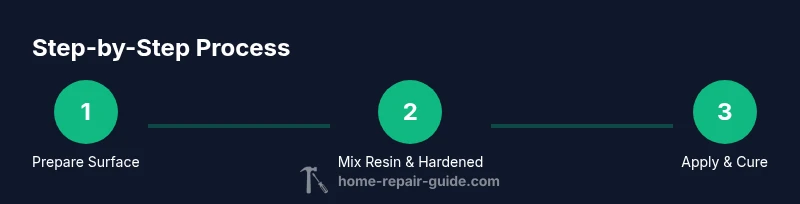
Successful use of epres bond repair hinges on proper surface preparation, correct mixing, and careful application. Begin by removing the damaged material, if feasible, and cleaning the area with a degreasing solvent to remove oil, dust, and residues. Lightly abrade the surface to increase mechanical grip, then wipe away debris and allow it to dry completely. Follow the label for resin-to-hardener mixing ratios, mix until uniform, and avoidincorporating air bubbles. Apply in thin, even layers, using a spreader or applicator to push material into corners and joints. If the repair is wide, apply in multiple thin layers with a brief waiting period between coats to prevent sagging. Temperature and humidity conditions during mixing and curing matter; maintain recommended ambient ranges for best results, and avoid applying in direct sunlight or freezing conditions.
Why this matters: surface prep and proper mixing determine bond strength and long-term durability, which in turn influence how often you’ll need to reapply the product in the future.
Monitoring and maintenance schedule
Create a simple maintenance calendar that aligns with your environment. Indoor repairs in climate-controlled areas may require checks every 6–12 months, while outdoor or high-moisture areas might need quarterly reviews. Use clear criteria to trigger reapplication, such as visible wear, micro-cracking, or moisture behind the bond. When reapplying, ensure you prep again: clean, dry, and roughen the surface; remove old residue; and re-mix the product fresh for optimal adhesion. Document outcomes after every maintenance cycle to refine your schedule and reduce guesswork over time.
Maintaining a schedule helps you catch issues early and prevents costly, widespread repairs later. This practice is supported by Home Repair Guide as part of a proactive maintenance mindset.
Safety, storage, and quality control
Always follow the product label for safety and storage guidance. Wear appropriate PPE, including gloves and eye protection, and ensure adequate ventilation during mixing and curing. Store unopened materials in a cool, dry place away from heat and moisture; check expiration dates and discard any components that show signs of separation or contamination. Keep cleaners, solvents, and curing agents away from children and pets, and never mix incompatible products. For quality control, seal the kit after each use, clean tools promptly, and discard any material that has begun to cure in the mixing container. Proper storage and handling help maintain bond integrity and predictable performance over time.
Common mistakes and quick fixes
Common mistakes include rushing beyond manufacturer-recommended cure times, ignoring surface contamination, and applying in temperatures outside the suggested range. If you notice poor adhesion after curing, reassess surface prep, re-clean the area, and reapply with fresh resin according to the label. For cured patches that crack or lift again, consider removing the repair, evaluating substrate movement, and addressing underlying issues (such as structural movement or moisture intrusion) before reapplying. Taking these precautions reduces the likelihood of repeated failures and extends repair life.
Tools & Materials
- epres bond repair kit (resin + hardener)(Manufacturer-specified mixing ratio and pot life)
- cleaning solvent (isopropyl alcohol)(For degreasing and surface prep)
- lint-free cloths(Use new cloths to avoid residue)
- plastic gloves(Protect skin from chemical exposure)
- mixing cup(Graduated for accurate resin/hardener measures)
- mixing stick or plastic spatula(Stir until uniform without introducing air)
- plastic spreader or applicator(For thin, even layers)
- sandpaper (120-220 grit)(Roughen surfaces for better adhesion)
- masking tape(Protect edges and nearby areas)
- clean scraper or putty knife(Optional for removing damaged material)
Steps
Estimated time: 60-120 minutes
- 1
Read label and safety data
Begin by reading the product label and Safety Data Sheet to understand recommended surface types, curing times, and any hazards. Verify compatibility with the substrate you intend to repair and note any ventilation requirements. This initial step prevents improper use and safety risks.
Tip: Wear PPE and work in a well-ventilated area. - 2
Prepare the work area
Clear the space and protect surrounding surfaces with masking tape. Remove loose debris and ensure the area is dry before proceeding. A clean workspace reduces the risk of contamination and improves cure quality.
Tip: Use a drop cloth to catch drips and spills. - 3
Prepare the surface
Clean with solvent to remove oil and dust. Lightly roughen the substrate with sandpaper to create a mechanical key, then wipe away residues and allow the surface to dry completely. A rough, clean surface improves bonding strength.
Tip: Avoid overly aggressive sanding that could damage substrates. - 4
Mix resin and hardener
Pour the resin and hardener into a clean mixing cup following the manufacturer’s ratio. Stir slowly and thoroughly until the mixture is uniform and free of streaks. Do not mix more than you can apply within the pot life.
Tip: Scrape the sides to ensure complete integration. - 5
Apply in thin layers
Apply a thin, even layer to the prepared area with a spreader. Work the epoxy into cracks or joints, then lay additional layers if needed after the first layer firms up. Avoid trapping air pockets by smoothing from the center outward.
Tip: Apply in multiple light coats rather than one thick coat. - 6
Cure and inspect
Allow the repair to cure per label recommendations. Inspect for complete surface hardening and adhesion. If you notice soft spots or gaps, rework with fresh material after cleaning and drying the area.
Tip: Do not disturb the repair during the initial cure window.
FAQ
How often should I reapply epres bond repair?
Reapplication depends on exposure and wear. Inspect for signs of adhesion loss and reapply as needed following the product label. Outdoor or high-stress areas may require more frequent checks.
Inspect for adhesion loss and weathering; reapply as needed, especially outdoors.
Can epres bond repair be used on concrete?
Yes, provided the surface is clean, dry, and properly prepared. Roughen the concrete to improve mechanical bonding and remove contaminants before applying.
Yes, on clean, dry concrete with proper prep.
Is surface preparation essential before using epres bond repair?
Yes. Proper cleaning, degreasing, and roughening are crucial to maximize adhesion and durability.
Absolutely—prep is critical for strong bonding.
What safety precautions should I take?
Wear gloves and eye protection, ensure ventilation, and keep away from children. Follow all label safety instructions for the specific product.
Wear PPE and work in a ventilated area.
What are signs of bond failure after repair?
Cracking, peeling, or moisture behind the repair indicate failure. Reevaluate the substrate and consider reapplication after addressing root causes.
Look for cracking or peeling as signs of failure.
Does temperature affect curing?
Yes. Temperature influences cure rate and final strength. Follow the label for the recommended ambient range.
Temperature changes can speed up or slow curing.
Watch Video
Key Takeaways
- Inspect bonds regularly and record results
- Follow the label for mixing and cure conditions
- Prepare surfaces thoroughly for best adhesion
- Outdoor repairs require more frequent monitoring
- Store materials properly to preserve performance