How to Get Items Repaired at a Repair Shop: A Step-by-Step Guide
A practical, trusted guide to getting items repaired at a repair shop, from intake to final pickup, with tips to protect your budget and data.


If you're asking how do you get things repaired on the repair shop, the answer is simple: bring your item in, clearly describe the issue, and request a written estimate before any work starts. The shop will diagnose, propose repairs, and provide a timeline and cost range. Expect to pay for assessment, parts, and labor, with options to approve or decline recommendations.
Understanding the Repair Shop Process
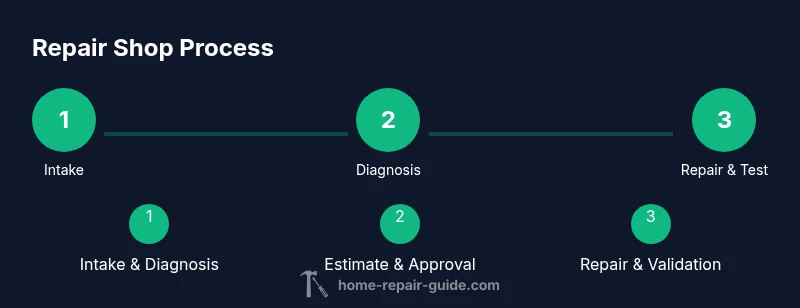
If you're asking how do you get things repaired on the repair shop, the answer is simple: reputable shops follow a transparent intake, diagnosis, estimate, and repair cycle. According to Home Repair Guide, the best repair shops spell out costs, timelines, and responsibilities up front so you can make informed decisions. This clarity begins at drop-off, where staff listen to symptoms, verify item details, and confirm which parts might be needed. The diagnostic phase identifies the root cause, not just a quick patch, and it sets the stage for a reliable repair or a clear recommendation to replace a component. Throughout the process you should expect written estimates, communication about unexpected issues, and a documented agreement before any work begins. By understanding this flow, homeowners and renters can participate actively, protect their budgets, and reduce the risk of miscommunication with service technicians. In short, a well-run repair shop gives you a predictable path from intake to pickup, with options that fit your needs and your wallet.
According to Home Repair Guide, following a transparent workflow helps you compare shops, ask the right questions, and hold service providers accountable. This article walks you through practical steps, common documents, and decision points so you can navigate repairs with confidence.
Documentation and Tools to Bring
Before you visit a repair shop, assemble documentation and any items that help the technician diagnose quickly. The following list covers essentials, optional items that can speed the process, and tips to stay organized:
- Item to repair: Bring the actual item in working condition if possible; include accessories and cables.
- Model/serial numbers: If you can locate them, jot them down or bring a label; this helps identify the exact parts needed.
- Purchase receipts or warranty documents: If still valid, they can affect coverage and pricing.
- Photos or short videos: Close-ups of the defect, error codes, or symptoms can save diagnostic time.
- Manuals or setup information: If available, bring manuals or access codes that might be required for testing.
- Power and safety notes: If the item has batteries or hazardous components, note handling requirements and safety steps.
Note: Some shops may request you remove batteries or disconnect power sources for safety. Check before drop-off.
The Intake: Diagnosis and Written Estimates
During intake, the technician asks questions about symptoms, when they started, and how the item was used. They inspect the item, run basic tests if safe, and identify the likely cause. A written estimate then arrives listing diagnostic fees (if applicable), parts, labor, and any shop-specific charges, along with a projected timeline. This estimate is not a commitment to repair; it’s an offer to proceed, pending your approval. If the diagnosis reveals a non-repairable fault or a replacement is recommended, you’ll receive options and a price range. A copy of the estimate should be stored for your records; ask about data handling if the item contains sensitive information. According to Home Repair Guide, expect clarity around what’s covered by warranty, what isn’t, and how long the diagnosis is valid.
Reading Estimates: Parts, Labor, and Timelines
A repair estimate is typically broken into three core components: parts, labor, and miscellaneous fees. Parts costs cover genuine or compatible components; labor covers the time technicians spend disassembling, testing, and reassembling the item. Timelines depend on part availability, shop workload, and the complexity of the fix. Some shops include a diagnostic fee that may be credited toward the final bill if you authorize the repair. Watch for hidden charges, such as disposal fees or core charges for exchangeable parts. A good estimate should also spell out any required lead times for back-ordered parts and provide a concrete completion window so you’re not left guessing.
Repair Authorization, Alternatives, and Decisions
With a clear diagnosis and written estimate in hand, you’ll decide whether to authorize the recommended repairs. You may also be offered alternatives, such as partial repairs, refurbished parts, or replacement with a similar model. Consider the item’s age, value, and long-term cost when choosing between repair and replacement. If you’re unsure, ask about warranties on repaired components, the probability of recurrence, and maintenance steps to prolong the life of the item. A transparent shop will outline risks and confirm that you understand the chosen path before any parts are ordered or labor begins.
During and After the Repair: Follow-Up and Maintenance
Once you authorize repairs, the shop should provide regular updates. Ask about progress reports, potential delays, and how long the item will be tested after repair. When you pick up the item, test it immediately to verify the issue is resolved. Save all receipts, the stamped work order, and the final invoice for your records. Maintenance recommendations are commonly offered to reduce future breakdowns; following these tips can extend the life of your repaired item and protect your investment.
Common Pitfalls and How to Avoid Them
Pitfalls to watch for include accepting a preliminary diagnosis without a written estimate, signing off on repairs before you understand the total cost, and failing to compare quotes from multiple shops. Avoid paying upfront for diagnostic work that doesn’t lead to a clear repair plan. If a shop pressures you to approve expensive replacements without discussing alternatives, slow down, ask for specifics, and request a second opinion if needed. For sensitive devices, ensure data handling and privacy terms are clearly stated before the repair begins.
Wrap-Up: Practical Summary and Where Home Repair Guide Comes In
This guide aims to empower homeowners and renters with a clear, practical framework for getting items repaired at a repair shop. By preparing documentation, understanding the intake and estimate process, and knowing your rights around authorization and warranties, you can make informed decisions and avoid surprises. The Home Repair Guide team emphasizes the importance of written estimates, proactive communication, and post-repair testing to ensure reliability. If you’re ever unsure, refer back to this process and ask the shop to walk you through every step.
Authority sources
- https://www.ftc.gov/
- https://extension.illinois.edu/
- https://www.consumerreports.org/
Tools & Materials
- Item to repair(Bring the physical object in working condition if possible, with accessories and cords.)
- Model/serial numbers(Locate on the item or packaging; carry a note if you cannot locate them.)
- Purchase receipts or warranty documents(Can affect coverage or pricing.)
- Photos or videos demonstrating the issue(Clear images help with faster diagnosis.)
- Manuals or setup information(Include model-specific instructions if available.)
- Safety information (batteries, power sources)(Note any safety steps required for handling.)
Steps
Estimated time: 2-7 days
- 1
Prepare your item and information
Gather the item, model numbers, receipts, and any photos or videos before you leave the home. This reduces back-and-forth trips and speeds up the intake. Have a concise summary of symptoms ready.
Tip: Create a one-sentence description of the problem to hand to the staff. - 2
Choose a reputable repair shop
Research local shops, read reviews, and verify certifications if applicable. A reliable shop will be transparent about costs and timelines and won’t pressure you into unnecessary work.
Tip: Ask for a written estimate before any work begins. - 3
Drop off or arrange intake
Deliver the item or schedule a pickup time. Confirm all contact details, and ensure you receive a receipt with the intake number for tracking.
Tip: Take a photo of the intake form for your records. - 4
Review diagnosis and get a written estimate
Review the provider’s diagnosis, the proposed repairs, and a detailed cost breakdown. If anything is unclear, ask for clarification before you authorize.
Tip: Request a breakdown of parts vs. labor costs. - 5
Decide to authorize repairs
Decide whether to proceed with repairs, request alternatives, or decline. Ensure you understand the warranty terms and potential outcomes.
Tip: If unsure, ask for a second opinion before approving pricey replacements. - 6
Authorize work and monitor progress
Provide written authorization to begin repairs and request regular progress updates. Stay reachable in case the shop needs to contact you.
Tip: Avoid adding last-minute changes that can increase costs. - 7
Test, receipt, and maintenance
Test the repaired item on-site if possible, collect the final paperwork, and follow the maintenance recommendations.
Tip: Keep a bound copy of all records for future service.
FAQ
What should I do if the diagnosis seems incorrect or incomplete?
Ask for a second opinion from another technician or request a re-inspection. Reputable shops should honor a re-evaluation if new information arises.
If you’re unsure, request a second opinion from a different technician or shop for a fresh look at the issue.
Is a diagnostic fee always charged, and can it be credited toward repairs?
Many shops charge a diagnostic fee that may be credited toward the repair cost if you proceed with the recommended work. Always clarify how fees are applied.
Ask upfront whether the diagnostic fee is refundable or credited toward the repair.
Can I supply my own parts to a repair shop?
Some shops allow customer-supplied parts, but they must be compatible and safe. Confirm warranty implications before using third-party parts.
Check with the shop about compatibility and warranty terms if you plan to bring your own parts.
What if the repair would take too long or isn’t worth it financially?
Discuss alternatives such as replacement or renting a similar device. A good shop offers options that balance time, cost, and reliability.
If the fix isn’t worth the cost, talk about replacement or a cheaper alternative.
How long should I expect a repair to last?
Longevity depends on the part quality, usage, and maintenance. Ask for a warranty period on the repaired component.
Ask about the warranty length on the repair and what it covers.
What records should I keep after a repair?
Keep the receipts, work orders, and warranties in a safe place. They help if you need future service or warranty claims.
Store all paperwork for easy reference later on.
Watch Video
Key Takeaways
- Ask for a written estimate before any work.
- Bring model numbers and documentation.
- Review the diagnosis and ask questions.
- Test the repair before leaving the shop.
- Understand warranty terms and maintenance steps.