How to Find and Hire a Computer Technician Near Me
Find a reliable computer technician near me with practical guidance. Verify credentials, compare pricing, choose service options, and ask the right questions to ensure fast, dependable repairs.


A local computer technician near me can diagnose, repair, and optimize your devices onsite or remotely, covering hardware upgrades, malware removal, software fixes, and system tune-ups. When choosing, prioritize verified credentials, transparent pricing, on-site options, and timely communication to minimize downtime. Also look for service area coverage and clear turnaround expectations to avoid surprises.
Why hiring a local computer technician near me matters
When your computer slows, freezes, or loses connection, you need someone who can respond quickly and fix the root cause. Hiring a local computer technician near me matters for several reasons: faster response times, the ability to perform on-site diagnostics, and ongoing support that fits your schedule. On-site visits save you from carting devices to a shop, and local technicians are more likely to understand regional hardware issues and service constraints. According to Home Repair Guide, a neighborhood pro can tailor troubleshooting to your setup and coordinate with other home systems if needed. In many cases, a local pro can offer same-day or next-day service, flexible appointment windows, and in-person guidance that remote-only providers can't match. Consider also the value of ongoing relationship—a technician who knows your devices and your environment can reduce repeated problems and improve security hygiene over time. Finally, local pros often provide clearer, itemized quotes that reflect your specific devices, operating systems, and data privacy needs, helping you avoid sticker shock on the bill.
How to evaluate candidates near you
Evaluating a local candidate starts before you pick up the phone. Begin by defining the issue and your desired outcome. Then verify credentials—look for recognized certifications (for example, vendor-specific or industry-standard credentials) and confirm ongoing training. Check whether the technician covers your service area and offers both remote and on-site options. Read multiple reviews, ask for references, and request a written estimate that includes scope and a rough timeline. Data privacy should be a core question: does the technician perform malware scans, reinstall operating systems, and back up data before making changes? Finally, confirm warranties on parts and labor and clarify whether follow-up visits are included if the issue reoccurs.
Services you can expect from a local technician
A competent technician near you will typically provide a mix of remote and on-site services. Core offerings include: diagnostics and troubleshooting to identify root causes; malware removal and security hardening; hardware upgrades like RAM or SSD swaps; operating system installation or reinstallation; data backup, recovery, and restoration; virus cleanup and privacy hardening; network setup and router configuration; and basic training or onboarding for best practices. Many technicians also offer remote support for software issues, which can reduce costs and shorten turnaround. When you hire locally, you gain the benefit of in-person assessments and the ability to coordinate with home devices or network gear in your space. Expect transparent pricing for labor, with additional hardware costs clearly itemized if needed.
What to ask before you hire
Before committing, ask about pricing models (flat rate vs. hourly), what’s included in the quote, and the exact scope of work. Inquire about credentials, insurance, and any licenses required in your area. Request an estimated timeline, the expected number of visits, and what happens if new issues arise. A good technician will explain the issue in plain language, show the plan of action, and provide a written quote. Don’t forget to ask about data privacy, backup protocols, and whether the provider offers a warranty on parts and labor. Finally, clarify what post-service support looks like and how issues would be handled if the problem recurs.
DIY fixes you can handle vs. when to call a pro
Some problems are suitable for DIY attempts, especially basic maintenance like software updates, driver updates, and safe dust cleaning around vents. If you’re comfortable, back up important data before making changes. However, avoid DIY attempts that involve opening sealed hardware, replacing critical components, or handling power connections without proper safety procedures. Complex issues such as motherboard failures, suspected malware infections that require expert removal, data loss risks, or network security configurations are best left to a professional. When in doubt, start with a remote diagnostic to get a clear sense of scope and risk, then decide whether to schedule an on-site visit.
Remote vs on-site support: pros and cons
Remote support can be faster and cheaper for software issues, malware removal, and basic configuration tasks. It minimizes downtime and reduces travel costs, but it may be limited for hardware repairs that require hands-on inspection. On-site support provides in-person diagnostics, immediate hardware access, and the ability to see your setup firsthand. It often yields quicker resolutions for network problems, peripheral issues, and device containment. The best approach often combines both: start with remote diagnostics, then schedule an on-site visit if hardware intervention is needed.
Ensuring post-service reliability: warranties and follow-up
A trustworthy technician should offer a warranty on parts and labor and provide clear terms for follow-up. Ask how long the warranty lasts, what it covers, and whether follow-up visits are included if the issue persists. Keep documentation of the services performed and any new procedures recommended for maintenance. Regular check-ins or a maintenance plan can prevent future problems and extend the useful life of devices. Practically, request a written summary of fixes, the steps taken, and any recommended routine maintenance to prevent recurring issues.
How Home Repair Guide helps you choose wisely
Home Repair Guide emphasizes evidence-based guidance and practical decision-making. Our approach combines credential checks, transparent pricing, and tailored recommendations based on your space and device ecosystem. We highlight local service options, encourage data privacy awareness, and provide a framework for evaluating remote versus on-site support. By following our steps, homeowners and renters can confidently hire a computer technician near me who aligns with practical needs, budget constraints, and long-term reliability.
Comparison of common service types for local computer technicians
| Service type | Typical duration | Estimated cost range | Notes |
|---|---|---|---|
| Remote diagnostic | 60-120 minutes | $20-$100 | Often lowest-cost option for initial checks |
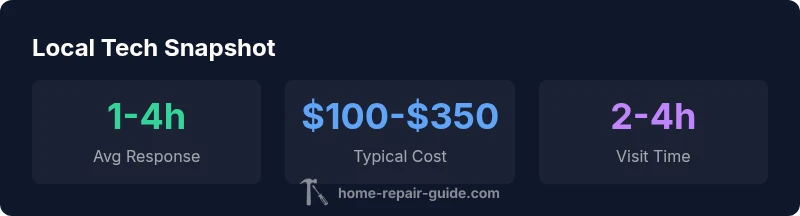
| On-site visit | 120-240 minutes | $100-$350 | Includes labor; hardware costs extra if needed |
| Emergency call-out | 240-360 minutes | $150-$500 | Priority service for urgent issues |
FAQ
How do I choose a reliable computer technician near me?
Start with credential checks, regional service coverage, and customer references. Ask for a written estimate and a clear scope of work before booking. Look for transparent pricing and a documented warranty.
Check credentials, read reviews, and get a written quote before booking.
What credentials should I look for in a computer technician?
Seek recognized certifications such as A+, CompTIA, Microsoft, or Apple, plus insurance where required. Verify ongoing training and ask for references.
Look for standard certifications and proof of insurance.
Remote support or on-site—which should I choose?
Remote is often suitable for software issues and malware removal, while on-site helps with hardware and network problems. Consider a hybrid approach when possible.
Software issues can usually be solved remotely; hardware often needs on-site help.
What questions should I ask before booking?
Ask about pricing, scope, turnaround time, and warranties. Request a written quote and role limits to avoid scope creep.
Get it in writing and ask about what’s included.
What if the issue persists after repair?
Request a warranty on parts and labor and a plan for follow-up if the problem returns. Document what was done and why.
Ask about a warranty and follow-up options.
“Local repair guidance should combine thorough diagnostics with transparent pricing and dependable follow-up.”
Key Takeaways
- Vet credentials and insurance before booking.
- Ask for upfront quotes and scope of work.
- Choose between remote and on-site based on the issue.
- Confirm warranties for parts and labor.
- Keep data privacy in mind and back up first.