Find a Computer Repair Shop Near You: A Practical Guide
Navigate local options for computer repair with expert guidance from Home Repair Guide. Learn how to evaluate shops near you, compare pricing and turnaround times, and protect your data.


A computer repair shop near you is a local service provider that offers diagnostics, hardware and software repairs, and maintenance for desktop and laptop computers. These shops typically provide in-person drop-off, on-site visits, and warranty-backed services. When selecting a nearby shop, prioritize clear pricing, transparent diagnostics, and reliable turnaround times to minimize downtime.
Searching for a computer repair shop near by me: what to know
According to Home Repair Guide, locating a trustworthy local computer repair shop can significantly reduce downtime and ensure you get reliable service. When you search for the exact phrase computer repair shop near by me you want options that are nearby, transparent about pricing, and able to explain diagnoses in plain language. Look for shops that publish clear service descriptions and have a straightforward intake process. For most households, the right shop will offer both in-person drop-off and on-site options, allow you to review diagnostic results, and provide a written estimate before any repair begins. In practice, you should also check the shop's warranty policy and whether data-handling practices align with your privacy needs. The cleaner the process, the less time you spend without a functioning computer, so prioritize shops that communicate clearly and document every step.
How to evaluate a local computer repair shop
Evaluating a shop begins with credentials and reputation. Check for industry certifications (for example, A+ certification or vendor-specific training). Ask about warranties on parts and labor and whether diagnostics are performed before any repair work is authorized. Transparent pricing is essential: request a written quote or a detailed estimate with line-by-line costs. Read customer reviews and request references if possible. Confirm the shop’s data protection practices, especially if your device contains sensitive information. Home Repair Guide’s analysis emphasizes that reputable shops publish service descriptions, response times, and contact channels. Finally, visit the shop if you can: a clean, organized workspace with trained staff often correlates with better outcomes.
Common services you'll find at local shops
Most computer repair shops offer a core set of services. Diagnostic services to identify problems are common, followed by hardware repairs such as replacing failed drives, memory modules, or power supplies. Software issues—malware removal, operating system repairs, and driver updates—are also frequent. Data backup and recovery services may be offered for accidental data loss, though availability and success rates vary. Some shops provide tune-ups and maintenance plans to improve performance and extend device life. It’s helpful to ask about service scope and what’s included in a standard diagnostic, as well as any added costs for rush work or after-hours service.
Pricing, turnaround times, and transparency
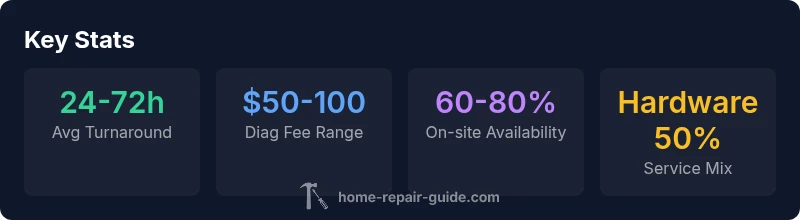
Pricing structures vary widely. Expect diagnostic fees in a broad range, often credited toward the repair if you proceed. Hourly rates or flat-fee pricing for common fixes are typical, with hardware replacements priced separately. Turnaround times depend on parts availability and workload, but common repairs commonly take 1–3 days, with expedited options sometimes offered for urgent needs. When comparing shops, ensure the quote includes parts, labor, tax, and any disposal fees. Transparent communication about what’s included and what isn’t helps prevent sticker shock and reduces misaligned expectations. If a shop cannot provide a rough timeframe, that’s a red flag. Home Repair Guide recommends looking for a provider that offers written estimates and a clear warranty on both parts and labor. If you’re comparing quotes for a computer repair shop near by me, ask about what is and isn’t covered to avoid surprises.
DIY vs professional repair: when to call
DIY fixes can be tempting for straightforward issues, but there are risks with valuable data and sensitive hardware. If your device is under warranty, opening the case may void coverage, so check the terms first. Complex problems—such as motherboard failures, failed storage drives, or suspected firmware corruption—almost always benefit from professional attention. Before handing your device over, ensure you have backed up important data or turned off automatic cloud backups to avoid data loss. While some issues you can tackle yourself (like cleaning debris or applying thermal paste on older systems), more serious problems require equipment, diagnostic tools, and expertise that local shops provide. The key is to balance cost, risk, and downtime. If you’re unsure, consult a pro rather than risking permanent damage.
Prepare your device for service: data safety and backups
Before a repair visit, back up your data where possible. Use a trusted external drive or cloud backup to protect your files. Remove sensitive data if feasible or enable encryption and ensure you have the password accessible. Create a recovery plan in case the repair affects system boot or software configurations. Remove nonessential accessories and disable any automatic login to reduce security risks during service. Finally, document the issues you’re experiencing with dates, error messages, and steps that reproduce the problem. Sharing this in writing with the technician can streamline diagnostics and minimize back-and-forth.
What to expect during a repair visit
During an in-person visit, expect an intake process where you describe the symptoms and share any prior troubleshooting steps. A technician will typically run diagnostic checks, provide a written estimate, and request your approval to proceed. You’ll usually receive updates via your preferred contact method and receive a repair completion window or pickup time. After service, verify that the device powers on, the issue is resolved, and backups are intact. If anything remains unresolved, request a follow-up diagnostic or warranty-covered repair. Building a good relationship with a computer repair shop near by me helps ensure smoother service in the future.
Long-term reliability: warranties and maintenance
A reputable local shop will offer warranties on parts and labor and suggest maintenance plans to prevent recurring issues. Regular software updates, Disk Cleanup, and hardware checks can extend device life. Consider asking about an annual or biannual maintenance visit, which can catch problems early and reduce downtime. Document warranty terms and keep receipts in case you need future service. Building a routine with a trusted local provider enhances reliability and simplifies future repairs, data protection, and device performance over time.
Comparison of common repair categories
| Service Category | Typical Cost (USD) | Avg Turnaround |
|---|---|---|
| Hardware repair | 120-350 | 2-5 days |
| Software issues | 80-250 | 0.5-2 days |
| Data recovery | 300-1000 | 1-3 days |
FAQ
How do I find a reputable computer repair shop near me?
Start with local search results and verify certifications, warranties, and recent customer feedback. Request references and check for a transparent diagnostic process before authorizing work.
To find a reputable shop near you, look for certifications, read reviews, and ask for a written diagnostic and warranty terms.
What questions should I ask before leaving my device?
Ask about diagnostic steps, estimated costs, expected turnaround, and warranty coverage. Inquire whether data protection practices align with your needs and whether the estimate includes parts, labor, and taxes.
Ask about diagnostics, costs, turnaround, and protection of your data before handing over the device.
What is a realistic turnaround time for common repairs?
Most common repairs take 1–3 days depending on parts and workload. Expedited options may be available but can incur extra costs.
Most repairs finish in 1 to 3 days, with rush options sometimes available.
Are online reviews trustworthy?
Look for multiple sources (Google, Better Business Bureau, manufacturer forums) and favor shops that respond to feedback and provide verifiable details about services.
Read reviews from several sources and see how shops respond to feedback.
Should I consider mail-in repair vs in-person service?
Mail-in can be convenient for distant shops, but in-person visits offer immediate diagnostics and on-site questions. Weigh shipping risk, turnaround time, and warranty implications.
Think about convenience, turnaround, and warranties when choosing mail-in or in-person service.
“Transparent diagnostics and solid warranties are the keystones of reliable local computer repairs. A trustworthy shop will explain findings clearly and stand behind its work.”
Key Takeaways
- Prioritize transparent pricing and warranties.
- Back up data before any repair.
- Ask for written estimates and turnarounds.
- Choose a local shop to minimize downtime.