Laptops repair shops near me: Your local guide to reliable fixes
Find trustworthy laptop repair shops near you, understand what to expect, and compare quotes, warranties, and turnaround times for fast, affordable fixes.


Finding trusted laptop repair shops near you starts with checking credentials, warranties, and transparent pricing. According to Home Repair Guide, prioritizing diagnostic fees, turnaround times, and clear service terms helps you avoid surprises and get your device back quickly. Look for shops with trained technicians, documented repair histories, and transparent quotes; these cues correlate with higher repair success and customer satisfaction.
Why local laptop repair shops matter
In today’s fast-paced world, a malfunctioning laptop can derail work, study, and daily life. Local repair shops offer a human touch that online-only services often lack: in-person diagnostics, easy communication, and the chance to review recommendations with the technician face-to-face. According to Home Repair Guide, proximity often translates into shorter wait times and clearer expectations, especially when data safety and device identity require careful handling. For common problems like screen backlight failures, degraded batteries, or keyboard issues, a nearby technician can perform a hands-on assessment, discuss repair versus replacement, and show real-time parts and pricing options. You’ll also have easier access to follow-up support if something doesn’t go as planned, which is harder to secure with mail-in services. A local shop’s accountability, reputation in the community, and ability to tailor service to your schedule can lead to faster, more reliable outcomes.
If you’re weighing whether to visit a local shop or ship your device away for service, start with transparency, responsiveness, and a clear plan of action. Prioritize shops that communicate diagnostic steps, present a written estimate, and outline the warranties that cover parts and workmanship. These cues are often the best predictors of a successful repair.
How to evaluate a local laptop repair shop
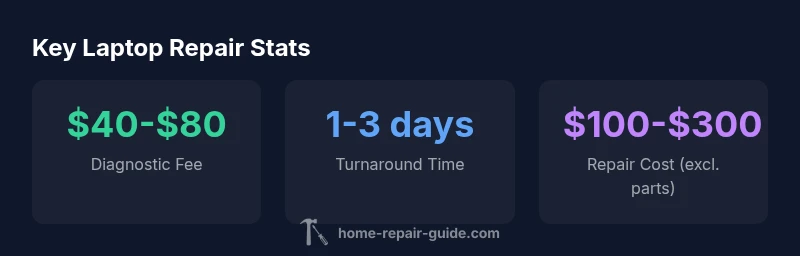
Evaluating a nearby shop goes beyond price. Start by checking credentials and staff expertise: look for technicians with hands-on training, documented repair histories, and access to up-to-date diagnostic tools. Ask about diagnostic fees and whether they’re applied to the final bill if you proceed with repairs. A clear, itemized written estimate should include labor, parts, and any potential additional costs. Warranty terms are crucial: read what parts are covered, how long the warranty lasts, and what happens if the repair fails. Turnaround time matters too; many shops offer 1-3 day windows for common fixes, but special orders can extend this. Finally, look for a shop with a straightforward data-protection policy and a transparent communications process, so you’re not left guessing about the status of your device. For added peace of mind, verify local consumer reviews and ask for a printed recap of the proposed fix before authorizing work.
Common laptop issues and how shops approach them
Laptop problems vary widely, but most shops group them into a few common categories. Screen issues may involve the LCD panel, backlight, or cable connections, all of which require careful disassembly and testing. Battery degradation is another frequent reason for service; reputable shops will test remaining capacity and offer replacement options that balance cost and longevity. Keyboard faults, such as stuck or non-responsive keys, often resolve with cleaning or membrane replacement. More serious failures involve the motherboard or logic board, which typically require specialized diagnostics and might prompt data backup recommendations. Software-related problems, including malware removal or OS repairs, are usually the simplest to address but still require careful data handling. A skilled technician will outline which components are likely to need replacement, provide a range of options, and explain how each affects performance and durability. In all cases, ensure the shop documents the diagnosis and presents a clear, written plan before proceeding.
What to expect at the repair shop
The repair journey usually starts with a drop-off or intake, followed by a diagnostic assessment. The technician should provide a written estimate that separates labor from parts, plus any diagnostic fees if applicable. If the device requires parts, the shop should offer compatible, tested options and explain the trade-offs between price, performance, and warranty coverage. After authorization, the repair typically proceeds with component replacement, reassembly, and a series of diagnostic tests to verify functionality. Before handing the device back, request a final test run, confirm data integrity, and review the warranty terms. A reliable shop will also provide guidance on care tips to extend the device’s life and scheduling follow-up support if issues reappear. Expect a concise summary receipt at pickup and a clear path for future service if needed.
Data privacy and backups during repair
Data privacy should be a primary concern when handing over your laptop. Before repair, back up essential data and remove sensitive files if possible. Ask the shop about their data handling policies, including who has access to your device and whether data is quarantined during repair. Reputable shops don’t clone or copy your data unless necessary for diagnostics or repair validation. If you’re uncomfortable with data exposure, request a data-safe diagnostic method or removal of non-essential data beforehand. After service, review returned data and ensure any temporary backups or diagnostic files are erased. If you rely on cloud storage, consider temporarily disconnecting or locking access during the repair process. A transparent shop will explain data safety steps and provide reassurance about privacy and security throughout the repair workflow.
DIY vs professional repair: when to walk away
DIY repairs can be tempting for simple tasks like cleaning or replacing a damaged keyboard, but more complex issues—such as motherboard failures, soldered components, or firmware problems—pose significant risk. If you lack the right tools, a static-safe workspace, or confidence in handling sensitive electronics, it’s safer to seek a professional. Additionally, any repair that requires opening the chassis or handling the battery poses safety risks if you are not trained. Prioritize professional repair when data security, device integrity, or warranty preservation matters. For some, upgrading to a new machine may be more cost-effective than pursuing a high-risk repair. A cautious approach often saves you time and money in the long run.
Tips to find the best deal without compromising quality
- Compare multiple written quotes to understand what’s included and what isn’t.
- Look for shops with transparent warranties and clear return policies.
- Check reviews for consistency in communication and post-repair support.
- Ask about original equipment manufacturer (OEM) parts versus third-party parts and what that means for performance and warranty.
- Request a written diagnostic and a detailed repair plan before agreeing to any service.
- Consider the total cost of ownership, including potential future repairs and the device’s remaining value.
- When possible, choose a local shop with a track record of successful repairs and fair pricing.
Typical expectations when visiting a local laptop repair shop
| Aspect | What to Expect | Notes |
|---|---|---|
| Diagnostic Fee | Quoted upfront | Ask about whether it’s waived if you proceed with repair |
| Turnaround Time | 1-3 days typically | Depends on parts availability and workload |
| Warranty | 90 days–1 year commonly offered | Read coverage for parts vs. labor |
| Payment Terms | In-store or online | Clarify deposits or payment on pickup |
FAQ
What should I bring to a laptop repair shop?
Bring the laptop, charger, model/serial number, and a concise description of the problem. If you have receipts from previous repairs, include them. Back up important data if possible and remove unnecessary data before service.
Bring the device, charger, and any notes about the issue. If you can, back up your data and bring previous repair receipts for reference.
How long does a typical laptop repair take?
Most common repairs take 1-3 days, depending on parts availability and workload. Complex issues or parts on backorder can extend timelines. Ask for a written estimate of the timeline before authorizing the repair.
Usually 1 to 3 days, but it can take longer if parts are on backorder.
Are diagnostic fees refundable if I proceed with the repair?
Policies vary by shop. Many waive the diagnostic fee if you approve the repair, but some may apply it to the final bill regardless. Always confirm this in writing before work starts.
Check whether the diagnostic fee is credited toward the repair if you proceed.
Should I repair or replace my laptop?
Compare the repair cost, expected lifespan after repair, and replacement price. If repairs approach or exceed 50-70% of a new device’s cost, replacement might be wiser. A shop can provide a recommended option based on your device’s condition.
If repairs will cost close to a new laptop, replacing may be the smarter choice.
How can I compare local repair shops effectively?
Get written estimates from at least two shops, compare warranties, turnaround times, and whether OEM or compatible parts are used. Read recent customer reviews for consistency and follow-up support.
Get multiple quotes and read reviews to compare value and service.
What if data is lost during repair?
Data loss is rare but possible in complex motherboard repairs. Ask about data backup options and post-repair data recovery support, and back up your data prior to service whenever possible.
Back up data before service and ask about data protection during repair.
“Reliable, transparent pricing and a solid warranty are the hallmarks of trustworthy laptop repair shops.”
Key Takeaways
- Choose local shops with clear quotes and transparent warranties
- Verify credentials and ask for a written diagnostic before repairs
- Back up data before handing over your device
- Compare multiple quotes to find the best value
- Prefer shops with in-person communication and post-repair support