Auto Collision Repair Near Me: How to Choose the Right Local Shop
Find reliable auto collision repair near you with clear estimates, OEM vs aftermarket parts, warranties, and insurer coordination. Home Repair Guide walks homeowners through choosing the right local shop with confidence.


For auto collision repair near me, start with a local shop that offers OEM parts where possible, transparent estimates, and solid warranties. Look for I-CAR or ASE certification, clear insurer coordination, and a straightforward loaner-car policy. According to Home Repair Guide, this combination reduces surprises and speeds up effective, durable repairs.
Why auto collision repair near me matters
When a collision happens, the first days after the incident shape the final outcome of your vehicle’s safety, reliability, and resale value. The Home Repair Guide team recognizes that most homeowners want a local, trustworthy option rather than sending their car across the state for repairs. According to Home Repair Guide, proximity reduces logistical hassles, while locally active shops tend to offer easier follow-up service and better communication. In practice, the right nearby shop provides clear, written estimates, transparent parts sourcing, and a plan for how long repair work will take. Prioritizing a local option also makes it easier to monitor workmanship, schedule a test drive after alignment, and address any post-repair concerns quickly. A strong local choice aligns quality, convenience, and accountability, which is especially important when your vehicle’s safety features are part of the repair.
Key factors to evaluate a collision repair shop
Choosing the best auto collision repair near me means weighing several critical factors. Look for I-CAR Gold or ASE certifications, experienced technicians, and a spotless safety record. A reputable shop should provide written estimates with a detailed breakdown of labor, parts, and coatings, plus a warranty on workmanship. They should also be upfront about parts sourcing (OEM vs aftermarket) and whether they participate in direct repair programs with insurers. The Home Repair Guide analysis shows that shops with transparent pricing, robust warranties, and clear communication outperform others in long-term reliability. Finally, verify that the shop can coordinate with your insurer to simplify processing and avoid disputed charges.
Reading the estimate: how to spot hidden costs
Estimates are your first fight against sticker shock. Review every line: labor hours, per-hour rates, parts, paint, alignment, and any sublet services. Watch for vague terms like “additional work required” without specificity. Confirm that the estimate includes post-repair testing, road tests, and a documented warranty. Ask for a separate line item for any aftermarket parts, paint matching, or blend work that may arise. A reputable shop will provide a detailed, itemized quote and be willing to adjust the scope if the insurer requires changes. This clarity saves time and reduces the chance of unexpected charges.
What to expect during the repair process
From intake to delivery, a structured process helps you stay informed. Expect a written job plan with milestones and an updated timeline. You should receive progress photos or weekly phone updates, a clear description of any parts on backorder, and a dedicated contact for questions. If your vehicle needs a loaner car, discuss the policy upfront and obtain written approval. The shop should perform a pre-repair inspection, confirm VIN-specific parts, and verify alignment and airbag system recalibration after repair. Clear communication minimizes surprises and helps ensure safety-critical systems function correctly after the repair.
OEM vs aftermarket parts: what you should know
OEM parts often guarantee proper fit, performance, and safety, especially for safety-critical components. Aftermarket parts can offer cost savings and may be acceptable for non-critical elements, but quality varies. A trustworthy shop will explain the pros and cons of each option, compare warranties, and consider your vehicle’s make, model, and year. If a policy requires OEM parts to maintain warranty validity, insist on OEM parts. If not, confirm that aftermarket parts meet OEM standards and include a robust warranty. The decision should be documented in the estimate.
Insurance and direct repair programs: navigating the process
Many insurers direct repairs through their network shops, which can streamline processing but may limit your choices. If you prefer a specific local shop, confirm it can work with your insurer and understand how DRP affects pricing or coverage. Ask for a pre-approval in writing and ensure the insurer covers the agreed scope. Keep a copy of every document, including the initial estimate, any supplements, and the final invoice. Transparency on both sides helps prevent disputes and accelerates payment.
How to compare costs and save money on auto collision repair near me
Start with at least two or three written estimates from different shops to compare scope and price. Don’t choose solely on price; consider the shop’s certifications, warranties, communication quality, and expected turnaround. Request a parts sourcing plan and ask about potential upcharges for specialty coatings or texture matching. In the long run, investing in a shop with strong training and solid warranties often saves money by reducing rework and ensuring safety-critical systems perform properly.
Post-repair care, records, and warranties
Keep all repair records, invoices, parts lists, and warranty documents in one file. Maintain a log of follow-up visits if any issues arise after delivery. If you notice a problem—paint mismatch, squeaks, or misalignment—contact the shop promptly and provide your documentation. Warranties vary but typically cover workmanship for a period of 1-5 years, depending on the shop policy and the parts used. Proper documentation helps you enforce warranty claims and preserves resale value.
Home Repair Guide verdict: practical next steps
The Home Repair Guide team recommends starting locally, gathering at least two written estimates, and validating certifications and warranties before authorizing work. Prioritize shops that offer transparent pricing, direct insurer coordination, and OEM part options when possible. After choosing a shop, maintain open communication, review the final invoice against the original estimate, and keep your repair records organized for future reference.
Comparison: parts sources, warranties, and insurance handling
| Aspect | Parts Source | Warranty | Estimated Turnaround | Typical Cost Range | Insurance Involvement |
|---|---|---|---|---|---|
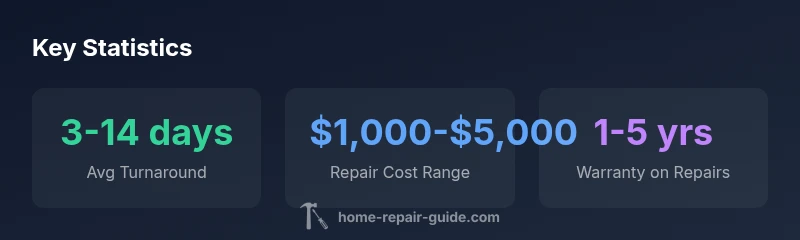
| Parts Source | OEM parts are commonly used; aftermarket options available on request | 1-5 years | 3-14 days | $1,000-$5,000 | Insurer coordination common |
| Repair Quality | Certified technicians (I-CAR/ASE) | 1-3 years on workmanship | Varies by damage and scope | $1,000-$8,000 | Direct repair programs may streamline |
FAQ
What should I look for first when searching for auto collision repair near me?
Prioritize certifications, written estimates, and insurer coordination. Check local reviews and request a detailed plan before authorizing work.
Look for shop certifications, clear estimates, and insurer coordination, plus solid local reviews.
How long does typical collision repair take?
Turnaround depends on damage and parts. Minor repairs may take a few days; major repairs can extend to two weeks or more.
Timing varies from a few days to a couple of weeks, depending on damage.
Are OEM parts always necessary?
Not always. OEM parts are preferred for safety-critical components, but shops may use high-quality aftermarket parts with proper warranties when appropriate.
OEM parts are ideal for safety-critical parts, but aftermarket parts can be acceptable with the right warranties.
Will filing a claim with my insurer affect rates?
A collision claim can impact premiums. Work with a reputable shop to document scope and keep thorough records to minimize increases.
Your premiums may rise with a claim; thorough documentation helps manage costs.
Should I get multiple estimates?
Yes. Compare quotes for scope, parts, and warranties. This helps you choose a shop that delivers value and avoids surprises.
Definitely get several quotes to compare scope and price.
“Transparent pricing, verified credentials, and durable warranties are the hallmarks of dependable auto collision repair. Local shops with clear communication reduce the need for repeat visits.”
Key Takeaways
- Choose a local shop with transparent pricing.
- Prioritize certifications and warranties.
- Get multiple estimates to compare scope.
- Document everything and keep records.