Who repairs TV screens: A practical guide for homeowners
Discover who repair tv screens, when to repair or replace, and how to choose a reliable technician. A practical, data-driven guide for homeowners and renters.


In most cases, TV screen repairs are performed by certified electronics repair technicians or manufacturer-authorized service centers. DIY fixes are discouraged due to glass safety and warranty issues. The Home Repair Guide team notes that many screen problems require panel replacement or backlight work, and the decision to repair or replace depends on the exact fault, panel type (LCD/LED/OLED), and the TV’s age, so a quick diagnosis is essential before deciding on repair or replacement.
What qualifies as TV screen repair
TV screen repair encompasses a spectrum from physical glass replacement to electronic fault correction. It includes front-glass or protective panel replacement, backlight or LED driver work, T-con board recalibration, and color/contrast adjustments. Some damage is purely cosmetic, while other failures affect the display output. In practical terms, consider whether the issue is a shattered screen, backlight failure, lines or color tint, or a dead-spot. When you search for who repair tv screens, you’ll see a mix of options, from manufacturer-authorized service centers to independent electronics repair shops. According to Home Repair Guide, the feasibility and cost of repair depend on the exact fault, panel type (LCD/LED/OLED), and the TV’s age, so a quick diagnosis is essential before deciding on repair or replacement.
Who typically performs the work
The people who repair tv screens fall into three main categories: manufacturer-authorized service centers, independent electronics repair shops, and mobile or in-home technicians. Authorized centers can diagnose accurately and use original parts, but may be pricier and require you to ship the set or bring it to a service point. Independent shops offer competitive quotes and flexibility but vary in quality. Mobile technicians come to your home, saving the hassle of transport but may have limited parts access. For warranties or insurance, check whether the service is performed by a brand-certified technician; unauthorized work can void warranties. The Home Repair Guide team reminds homeowners that you should confirm parts quality and ask for a detailed estimate before any work begins.
Common screen issues and who fixes them
Cracked or shattered glass: typically requires front-panel replacement and is done by specialized glass or panel technicians, often at an authorized service center. Backlight flicker or dim image: usually addressed by a qualified electronics repair technician who replaces backlight assemblies or driver components. Dead pixels or image distortion: may indicate panel failure or T-con board issues, sometimes fixable via a repair shop with panel-level service. Color tint or rainbow artifacts: often traceable to color calibration or HDMI circuitry, repairable by trained technicians. Some issues, like a completely dead TV or a panel with irreparable damage, may be flagged as not repairable, and replacement becomes the practical option.
When to fix vs. replace
Deciding whether to fix or replace a TV screen hinges on several factors. If the repair cost is low relative to the TV’s current market value and the set is comparatively new, repair is often worthwhile. If the cost approaches or exceeds the price of a new TV with similar features, or if the panel is obsolete, replacement is generally more economical. Deteriorating performance, persistent hot spots, or recurrent failures are signs that a longer-term repair may not be cost-effective. Always obtain a written estimate, ask about parts quality and warranty on the repair, and consider the TV’s age and how quickly you would recover the investment through use.
How to choose a repair technician
Start with brand-authorized service centers for warranty protection, when available. Compare quotes from at least two to three reputable shops, ensuring they specify parts and labor. Verify certifications such as electronics repair credentials and check customer reviews for reliability. Request a clear parts list and a warranty on the repair, and ask about whether they reuse adhesives or how they test the display after repair. If you prefer convenience, confirm whether the technician offers in-home service and whether shipping is included if the model is large or heavy.
What to expect during a repair
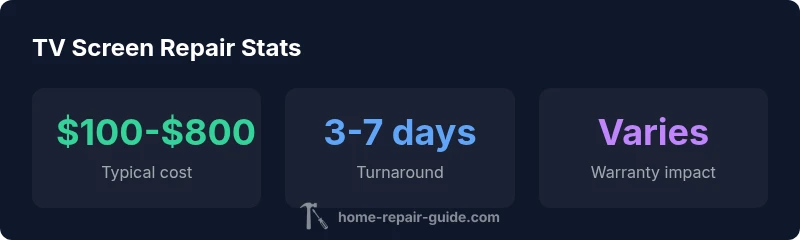
The typical process begins with a diagnostic assessment to pinpoint the fault. After you approve the estimate, the technician orders or assembles the necessary parts, which may include a backlight, driver board, or replacement panel. Repairs can take a few days to a week depending on parts availability and backlogs. On completion, a thorough test is performed—color accuracy, brightness, motion handling, and input signals are checked. Reassembly and cleaning finish the service, and you receive documentation and a warranty for the repaired components. If you’re worried about data privacy or settings, discuss whether the service involves resets or changes to calibration profiles.
Safety, warranties, and insurance considerations
Cracked screens and exposed glass pose serious injury risks; never attempt to remove or replace the front glass yourself. If your TV is under warranty or an extended service plan, contact the manufacturer or plan administrator to confirm coverage and approved service locations. Unauthorized repair can void coverage, especially for premium models with sensitive OLED panels. Some homeowners insurance policies may cover accidental damage to electronics, depending on the policy; review your policy or speak with an agent to understand if a claim is possible. Always use surge protection during and after a repair to guard against power surges that may damage new components.
Cost considerations and getting quotes
Prices for TV screen repairs vary with size, panel type, and the fault. Start with a diagnostic fee, then obtain a written quote that itemizes parts and labor. Compare at least two quotes and factor in potential shipping costs, if applicable. Remember that some repairs may approach or exceed the price of a new set with similar specs, especially for larger screens or OLED panels. If you have an older model with low value, replacement could be more affordable in the long run. Keep in mind that warranties or service plans may affect both cost and confidence in the repair.
Getting the best outcome: aftercare and prevention
After a repair, protect your TV’s longevity by using a high-quality wall mount or stand to minimize vibration, keeping it away from heat sources and humidity, and using a surge protector. Calibrate color and brightness to reduce strain on the backlight and maintain safe operating temperatures. Regularly dust the vents and clean the screen with a soft microfiber cloth to avoid scratching. If damage recurs or the screen’s performance degrades again, consult the same reputable technician to assess whether a panel replacement or a full upgrade is warranted. By following these steps, you’ll maximize the value of your repair and reduce the need for future service. As Home Repair Guide notes, ongoing maintenance and cautious purchasing choices help extend a TV’s life and avoid premature disposal.
Repair vs replacement considerations
| Aspect | Repair option | Key considerations |
|---|---|---|
| Cost | Repair | Varies with model and damage; often costly for large panels |
| Turnaround | Repair | Depends on parts availability and service backlog |
| Warranty | Authorized service | May require brand authorization; check terms |
FAQ
Who repairs TV screens?
Certified electronics repair technicians, manufacturer-authorized service centers, or reputable independent shops handle most TV screen repairs. Look for official certifications and genuine parts sourcing.
Certified technicians handle most screen repairs.
Is it worth repairing a cracked screen?
Repairing a cracked screen is often not cost-effective for larger TVs; compare the repair quote to the replacement price for a model with similar specs.
Compare repair cost to replacement price.
Do warranties cover TV screen repairs?
Warranties often require use of authorized service; unauthorized repairs can void coverage. Check your plan terms and consult the manufacturer.
Authorized service keeps warranty intact.
Can I fix a TV screen myself?
DIY screen repairs are dangerous due to glass shards and high voltages; they can cause injury and usually void warranties. Hire a professional.
Don't DIY; hire a pro.
How long does a screen repair take?
Diagnosis plus parts procurement typically takes several days, with in-home service adding variability based on scheduling and transport.
Diagnosis and parts lead time vary.
What factors influence repair cost?
Panel type, extent of damage, parts availability, and service provider; OLED panels are usually more expensive to repair than LCD.
Cost depends on panel and damage.
“Professional repair is often a practical alternative to replacement when the damage is limited to non-panel components.”
Key Takeaways
- Check warranty and authorization first
- Get written estimates from multiple shops
- Prefer certified technicians with clear parts lists
- Avoid DIY for cracked screens