Small Appliance Repair Near Me: Find Local Pros Today
Find reliable small appliance repair near me pros, compare quotes, and avoid common pitfalls. Practical guidance from Home Repair Guide to fix and extend your devices' life.


Steps to locate reliable small appliances repair near me: 1) Search locally for certified technicians with appliance affiliations. 2) Request written quotes and compare parts and labor. 3) Check availability for on-site diagnostics. 4) Confirm warranty coverage on repairs. 5) Read reviews from nearby customers. By following these steps, you’ll minimize downtime and maximize the lifespan of your devices.
Why Local Pros Matter for Small Appliance Repairs Near Me
According to Home Repair Guide, choosing a local, trusted technician for small appliances repair near me can dramatically reduce downtime and provide clearer warranty terms. Local pros are often familiar with regional parts suppliers and common model quirks, which leads to faster diagnostics and more accurate pricing. When you search for small appliance repair near me, prioritize technicians who publish transparent pricing, confirm part sources, and offer on-site service. A quick, friendly phone conversation can reveal lender-friendly policies and the technician's willingness to walk you through the repair plan in plain language. The Home Repair Guide team emphasizes that reliability comes from a combination of credentials, clear communication, and a straightforward warranty policy.
How to evaluate local repair providers
Evaluating local providers begins with credibility. Check for manufacturer certifications or authorized service status for your specific brand, validated licenses where required by your state, and verifiable reviews from nearby customers. Insist on a written, itemized estimate that separates diagnostic fees, parts, and labor. Confirm the workmanship warranty and the parts warranty, and compare quotes from at least three shops to gauge fair market pricing for the service. Ask about on-site diagnostics versus drop-off repair, possible travel charges, and whether the quote locks in price if the issue turns out to be more complex. A transparent shop will outline the exact steps of the repair and provide an expected timeline. For ongoing peace of mind, seek a provider that offers preventive maintenance visits as part of a service plan. The Home Repair Guide analysis highlights the value of a neighborhood specialist who communicates clearly and sticks to a written scope of work.
Common issues across small appliances and diagnostic approaches
Small appliances fall into a handful of repeatable failure modes. Common problems include non-heating elements in toasters or coffee makers, overheating in blenders, clogged filters, faulty switches, worn belts, and faulty thermostats. Diagnostic approaches typically start with a safety check (unplug, inspect for obvious damage), then visual inspection of interior parts, followed by electrical testing when safe. In many cases, a single component—such as a thermal fuse or a heating element—drives the fault, making the repair inexpensive and quick when the right spare part is available. For microwaves, high-voltage safety is critical; never attempt high-voltage repairs yourself. The emphasis should be on sourcing genuine parts and providing a clear bill of materials in the estimate. Home Repair Guide suggests asking the technician to explain why a single part needs replacement, rather than replacing multiple components without cause.
What to expect during a diagnostic visit and repair
A diagnostic visit should begin with a clear arrival window and a polite verification of the appliance model, symptoms, and any prior repairs. Expect the technician to perform a test run or controlled operation to reproduce the issue. If parts are required, obtain a written parts list and a cost estimate before any replacement work begins. The best professionals err on the side of transparency, sharing a repair plan that includes the expected duration, any potential third-party warranty constraints, and post-repair testing to ensure proper operation. After the service, you should receive a written summary of what was found, what was replaced, and how to prevent recurrence with simple maintenance. The Home Repair Guide team notes that a well-documented repair trail helps you manage future issues and ensures you understand your device’s capabilities and limitations.
DIY tips, cost considerations, and when to replace
Small appliance care can start with simple, safe maintenance actions. Regularly descaling coffee makers, cleaning toasters, and removing lint from vents can prevent many breakdowns. When budgets are tight, compare the cost of a professional repair against purchasing a new unit with better energy efficiency and updated safety features. If the repair estimate approaches or exceeds half the price of a new unit, or if the appliance is older and showing multiple failures, replacement may be the more economical choice. Always verify whether any potential repair would preserve a warranty or if the original warranty would lapse after service. The Home Repair Guide guidance encourages homeowners to treat repairs as a balance between current cost, future reliability, and device age, so you can decide with confidence.
Repair cost and turnaround for common small appliances
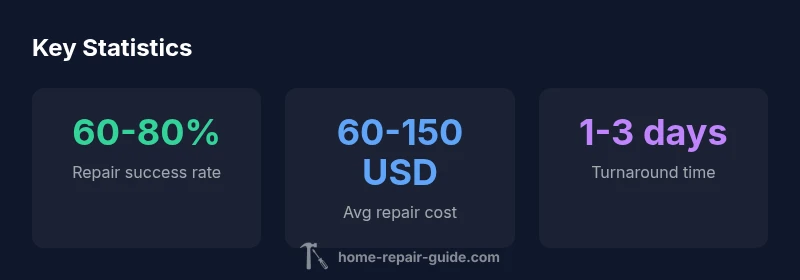
| Appliance Type | Typical Repair Cost Range | Turnaround Time | Warranty on Parts |
|---|---|---|---|
| Toaster | 40-90 USD | 1-3 days | 90 days - 1 year |
| Blender | 50-120 USD | 2-4 days | 90 days - 1 year |
| Coffee Maker | 60-140 USD | 1-3 days | 90 days - 1 year |
| Microwave | 120-260 USD | 3-7 days | 6-12 months |
FAQ
What counts as a 'small appliance' in this guide?
Small appliances include everyday kitchen and household devices such as toasters, blenders, coffee makers, microwaves, and similar countertop units. These items are typically compact and designed for consumer use.
Small appliances are the compact kitchen and home devices you use daily, like toasters and coffee makers.
How do I verify a repair technician's credentials?
Ask for manufacturer certification where possible, check local licenses if required, read recent customer reviews, and request a written warranty on both parts and labor.
Check licenses, certifications, and warranties, and read reviews.
Should I repair or replace a failing appliance?
If repair costs approach or exceed 50-60% of a new unit, or the device is old and unreliable, replacement is often the smarter choice. For newer models, repair can extend life at lower cost.
If it costs as much as a new unit, consider replacing it.
What warranty should I expect on repaired parts?
Most shops offer a warranty on parts and workmanship, typically 90 days to one year, depending on the part and service.
Look for a written warranty, usually 90 days to a year.
How can I save money on small appliance repairs?
Compare three quotes, ask about diagnostic fees, and perform basic maintenance like cleaning. Regular maintenance can prevent costly issues.
Get multiple quotes and keep up with basic maintenance.
Are there safety concerns with DIY troubleshooting?
Yes. Electrical components and high-voltage parts require training—unplug devices, avoid water near outlets, and don’t attempt high-voltage repairs yourself.
Some repairs are risky; don’t DIY high-voltage parts.
“Reliable small-appliance repairs require transparent pricing and certified technicians. Verify parts warranties to protect your investment.”
Key Takeaways
- Start with local, certified repair pros for small appliances repair near me.
- Request written estimates and confirm warranties before work begins.
- Compare multiple quotes to gauge fair pricing and avoid surprises.
- Decide between repair and replacement based on age and repair cost.
- Maintain a simple maintenance log to prevent recurring issues.