Repair Washing Machines Near Me: How to Choose Local Pros
Find licensed washer repair pros nearby, compare quotes and warranties, and choose reliable local services with Home Repair Guide’s data-driven approach.


Licensed appliance technicians who specialize in washers consistently deliver the best outcomes when you search for repair washing machines near me. Look for valid service areas, updated certifications, and transparent diagnostic fees. Compare quotes, warranties, and turnaround times, and prioritize providers offering same-day or next-day service for urgent repairs. If a quote seems unusually low, verify labor rates and parts pricing before booking.
Finding trusted repair services near me
Finding a reliable service for repair washing machines near me begins with clarifying your model, your location, and your expectations for service. According to Home Repair Guide, homeowners should start by listing the three most important priorities: credentialed technicians, transparent pricing, and timely availability. Look up local equivalents for your city, read recent customer feedback, and verify that technicians actively service your brand and model. When you search for 'repair washing machines near me', you are likely to see a mix of independent specialists, authorized service centers, and large chains. Each option has strengths and trade-offs. Independent technicians may offer flexible scheduling and lower upfront costs, but they can vary in warranty coverage. Authorized centers often provide strong warranties and model-specific training but may charge premium rates or longer wait times. The goal is to balance price with reliability and to avoid hidden charges. Request a written estimate, confirm the geographic scope of service, and ask about emergency or same-day options.
What licenses and safeguards to demand
Professionally repairing a washing machine requires proper credentials. Always ask for a valid business license, liability insurance, and, if applicable in your area, technician certifications that cover electrical safety and appliance repair. Check that the company has up-to-date warranty policies on both labor and parts. Reputable technicians should be willing to provide proof of insurance and to name their coverage limits. If a service cannot demonstrate these basics, consider another provider. You should also confirm that any diagnostic work is clearly itemized and that you won’t be charged for a pretext of “emergency” visits. When possible, request written quotes and a clear explanation of what is covered by the warranty and what might incur additional charges. Adhering to these safeguards helps protect your home and your budget.
Diagnostic approach and common fault patterns
A systematic diagnostic approach is essential to avoid unnecessary parts replacement. Start with the user-facing symptoms: is there a leak, is the drum not turning, or is it not draining? The technician should verify power, water supply, and door latch integrity before opening the appliance. For many washers, common issues include clogged filters, worn belts, faulty pumps, or sensor problems that trigger error codes. A reputable pro will perform a controlled tests to isolate circuits, measure motor current, and check for blockages without replacing components on a hunch. They should also inspect hoses and clamps for leaks and verify that the machine is level. Documented findings, along with a transparent bill of materials, help you understand why a particular part is needed. If fault codes appear, request a model-specific explanation. The more precise the diagnosis, the more confident you can be about repair versus replacement decisions.
Handling quotes: fees, warranties, and parts
When you receive quotes, separate diagnostic fees from labor and parts. Some pros include diagnostic fees in the final bill if repairs are performed; others present them as a non-refundable standalone charge. Compare the total estimated cost rather than focusing on the unit price of a single part. Ask about warranty terms: do labor and parts have separate warranties, and how long do they last? A robust warranty typically covers both the repaired component and the workmanship for a defined period. In some cases, warranties from the manufacturer or authorized service centers are longer than independent shops. If the required part is back-ordered or unavailable, insist on a clear plan and price for alternatives. Also, request a written estimate with itemized line items and a projected timeline for completion. Transparent quotes reduce the risk of surprise costs after the work starts.
Service models and turnaround times
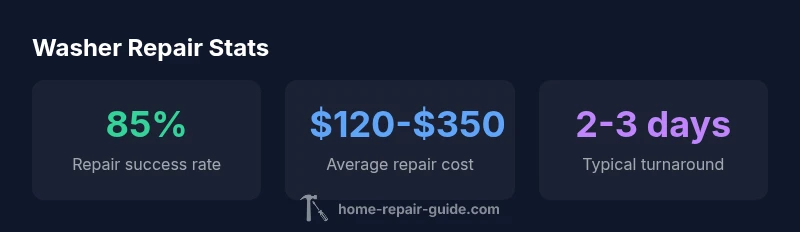
Service delivery varies by provider. Independent technicians may offer same-day or next-day visits, high flexibility, and a la carte pricing. Authorized service centers typically provide model-specific expertise, standardized diagnostic processes, and longer warranty coverage, but can have longer delays due to a network schedule. Large chains or national repair networks often promise consistent service windows and centralized dispatch, which helps when you need a reliable ETA. When you call for repair washing machines near me, ask about typical response times in your area, the likelihood of a same-day visit, and whether mobile technicians can bring a full toolkit. If you have a tight deadline, confirm the technician's availability for weekends or after-hours service. In all cases, capture the appointment details in writing and keep a copy of the ETA. Establish a cancellation policy and understand any fees that could apply if plans change.
DIY considerations and safety tips
Some minor maintenance tasks can be safely performed by confident homeowners, but major repairs on a washing machine involve electricity, water, and moving parts that can cause injury. Always unplug the unit or shut off the dedicated circuit before inspecting hoses or panels. Use appropriate personal protective gear and ensure you have a clear area to work. Do not attempt motor or pump repairs unless you have training or supervision. Replace flexible hoses every five to ten years to prevent leaks, and check clamps and connections during routine maintenance. If you are not comfortable with electrics or you do not own the necessary tools, it is safer and more economical to hire a professional. Use DIY repairs to handle non-structural maintenance tasks only, and leave the rest to licensed pros who can provide a warranty on their workmanship.
When to replace vs repair
Sometimes a repair is not the most economical path forward. If you face recurrent failures, rising repair costs, or an outdated model with limited availability of parts, replacement may offer better long-term value. Consider the machine's age, energy efficiency, and the cost of potential future repairs. A 10- to 12-year lifespan for many models is common, but efficiency gains and increased repair complexity can alter the math. Request a comparison of projected lifetime costs for repair versus replacement, including energy usage, maintenance, and part availability. If you plan to keep the unit, investing in a model with better energy efficiency and modern sensors could reduce operating costs. In some cases, lenders or insurers may offer incentives for energy-efficient purchases. Make the decision with a clear view of both current repair costs and anticipated future expenses.
How Home Repair Guide approaches repair guidance
Home Repair Guide's methodology blends practical experience with evidence-based practices. We emphasize safety, transparent pricing, and model-specific guidance. Our guidance for repair washing machines near me includes steps to verify credentials, obtain multiple quotes, and compare warranties. We advocate for diagnostic-first strategies: identify the malfunction, then choose between repair or replacement. We also highlight preventative maintenance to extend appliance life. Our team tracks updates from manufacturers, regulatory changes, and safety advisories so homeowners and renters can rely on current, trustworthy recommendations. For readers seeking more, we publish checklists, templates for getting estimates, and a decision matrix that helps you balance upfront costs with long-term value.
Authority sources and further reading
For further reading and to verify guidelines, consult these authoritative resources. While not a substitute for professional inspection, these sources help you understand appliance safety, consumer rights, and energy efficiency: - Energy.gov appliance safety and efficiency resources. - cpsc.gov consumer product safety information and recall notices. - ftc.gov guidance on home improvement services and avoiding scams. These sources provide context for safe installation, proper maintenance, and how to evaluate repair options. Home Repair Guide also summarizes practical best practices based on our own analysis in 2026.
Comparison of common repair service models
| Model Type | Pros | Cons | Typical Range |
|---|---|---|---|
| Independent Technician | Flexible scheduling; potential lower costs | Quality varies; warranty coverage inconsistent | $60-$120/hr; parts extra |
| Authorized Service Center | Brand-specific training; strong warranties | Higher prices; slower response | $90-$150/hr; parts often included where applicable |
| Big-Box Appliance Repair | Convenient nationwide coverage; quick ETA | Quality varies; potential upsell | $70-$130/hr; parts priced per item |
FAQ
How do I verify a technician is licensed?
Ask for license numbers and check with the state licensing board. Also verify insurance coverage and any professional certifications relevant to appliance repair.
Ask for license details and verify with your state regulator; confirm insurance and certifications.
What is a typical diagnostic fee?
Most pros charge a diagnostic fee who then applies it to the final bill if you proceed with the repair; others provide it as a separate charge.
Diagnostic fees vary; check if it’s waived with the repair.
Should I repair or replace my old washer?
Consider the machine’s age, repair costs, energy efficiency, and expected future reliability. Replacement can be more economical for older units.
Think about age and likely future costs.
How long does a washer repair typically take?
Most repairs take a few hours to a day, depending on part availability and scheduling.
Most repairs take a few hours to a day.
Are there warranties on repairs?
Yes. Reputable pros offer labor and parts warranties; confirm the duration and what’s covered before work begins.
Most repairs include a warranty; ask about length and coverage.
“Reliable washer repairs come down to solid diagnostics, transparent pricing, and solid warranties. Consumers should demand credentialed technicians and written estimates.”
Key Takeaways
- Verify licenses and warranties before booking
- Request written, itemized quotes
- Prioritize same-day options for urgent repairs
- Weigh repair costs against expected long-term value
- Trust licensed pros and maintenance guidance from Home Repair Guide