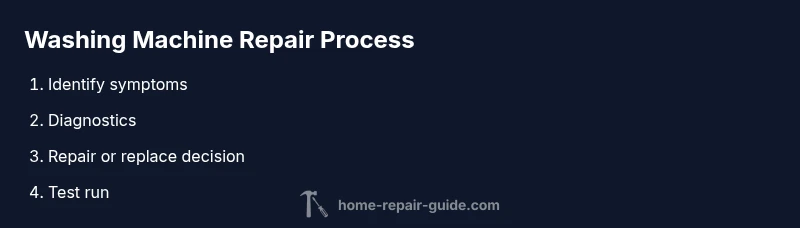
Running Machine Repair: A Step-by-Step Guide
Learn how to diagnose, repair, and maintain a washing machine with practical, safety-focused steps from Home Repair Guide. Includes tools, step-by-step actions, safety tips, and maintenance.


Looking to fix a noisy, leaking, or unbalanced washing machine? This quick guide helps you perform safe, at-home running machine repair, covering common symptoms, essential tools, and when to call a pro. Follow practical steps from Home Repair Guide to diagnose, repair minor faults, and decide whether to repair or replace.
What is running machine repair and why it matters
Running machine repair refers to the process of diagnosing and fixing common faults that affect a washing machine's ability to agitate, spin, drain, or fill properly. For homeowners, having a practical understanding of these repairs reduces downtime, waste, and expensive service calls. According to Home Repair Guide, routine inspection and minor fixes can extend the life of your appliance and protect your home's plumbing and electrical safety. In practice, 'running machine repair' begins with observation—note what the machine did, what it did not, and when the symptom appeared. Then, move to a safe, methodical checklist that prioritizes simple, non-invasive fixes before considering major disassembly. Types of repairs range from simple tasks like cleaning a lint filter or debris from the pump to more involved steps such as replacing seals, hoses, or a motor belt. The key is to stay organized, wear protective gear, and follow the model's service manual whenever possible. If your model uses error codes on the display, those codes often pinpoint a subsystem such as the door latch, water inlet valve, or pump. By translating these hints into a targeted action, you can decide whether it’s a DIY fix or a call to a professional. Home Repair Guide emphasizes that not every fault is worth fixing yourself; some faults reoccur, and the cost of professional repair or a replacement might be more economical in the long run. The aim is to recover reliable operation, maintain water and energy efficiency, and prevent accidental damage to the machine or home.
Common symptoms that signal you need repairs
Washing machines give telltale signs when something is off. Look for leaks around the door seal or hoses, unusual noises such as grinding or banging during the spin, and cycles that start but fail to finish. A drum that doesn’t fill, drain, or agitate indicates a control or valve problem. Foul smells or visible mold inside the drum point to mildew that can degrade performance and cause odors in clothes. Error codes displayed on the control panel (for example, E or F codes depending on the brand) typically point to a specific subsystem like the door latch, inlet valve, or pump. If clothes come out damp or water remains at the bottom after a cycle, inspect the drainage system and pump for clogs or a stuck impeller. When you observe any combination of these symptoms, begin a structured diagnostic approach rather than random fixes. Practically, this means noting the exact cycle, load size, water temperature, and whether the issue occurs with any cycle or only specific ones. By collecting this data, you can avoid unnecessary repairs and target the root cause more effectively.
Diagnostic approach: how to assess a washing machine's performance
A disciplined diagnostic pathway helps you separate root causes from symptoms. Start with safety: unplug the machine and turn off the water supply. Verify power at the outlet, check the door lock switch, and ensure the water inlet hoses aren’t kinked. If there are error codes, consult the model manual to map codes to components like the inlet valve, pump, or timer. Next, inspect the drain pump and filter for obstructions; a clogged pump can cause draining or spinning failures. Use a multimeter to test electrical continuity on suspect components, such as the belt switch on older, belt-driven models or the motor windings on newer direct-drive units. Visual checks are also valuable: inspect hoses for cracks or leaks, examine door seals for wear, and listen for irregular noises that indicate worn bearings or an unbalanced drum. If you’re unsure, consult the manufacturer’s service manual for your exact model. Home Repair Guide analysis shows that a methodical, data-driven approach yields reliable results and reduces the need for unnecessary part replacements. By documenting observations and test results, you can decide whether a DIY repair is feasible or if a professional should handle a more complex fix.
Practical repair strategies: fixes homeowners can do
Many common washer faults are solvable with basic tools and careful attention. Start with non-invasive steps: clean the lint filter and debris screens, re-seat hoses, and tighten hose clamps to stop leaks. Replace door seals or gaskets if you detect wear or cracking, and clean the detergent drawer to prevent residue buildup that can interfere with water flow. If the pump shows signs of blockage, disconnect power, remove the pump screen, and clear obstructions. A worn drive belt (in belt-driven machines) should be replaced with a belt of the correct width and tension. For electrical faults, reseating plugs or replacing a faulty timer or switch may solve the problem, but avoid replacing major components without a defined fault code. Always test after each fix: run a short cycle with a small load and verify that water fills, spins, and drains properly. If you encounter recurrent errors after a repair, or if you lack confidence around electrical components, contact a licensed technician. The goal is to restore reliable operation while protecting your home from potential water damage. Keep in mind that not every fault will be economical to repair; some issues may justify replacement, especially with older units that are energy-inefficient.
When to replace vs repair and cost considerations
Repairing a washing machine can be cost-effective for minor faults, but it becomes less so as the unit ages or when major components fail (such as the motor or transmission). Compare the cost of parts and labor to the price of a comparable new unit, considering energy efficiency, water usage, and potential warranty coverage. Also factor in downtime and the hassle of repeated repairs. If the repair involves multiple components or a high labor burden, replacement may be the wiser long-term choice. Energy-efficient models can reduce operating costs and may qualify for rebates or promotions, improving the overall payoff. When in doubt, obtain a written estimate from a reputable technician and perform a simple cost-benefit analysis. The Home Repair Guide team recommends evaluating not just the upfront repair price but the long-term reliability, energy usage, and compatibility with your laundry needs.
Maintenance habits to extend lifespan
Establish a simple routine to keep a washing machine running smoothly. Monthly, check hoses for cracks or leaks and replace any that show signs of wear. Clean the filter and pump screen to prevent clogs, and run a maintenance cycle or hot-water wash with a washing machine cleaner to prevent mold and residue buildup. Ensure the drum is balanced, and avoid overloading the machine, which strains motors and belts. Periodically inspect electrical connections and the power cord for signs of damage. If you notice unusual vibrations, noises, or leaks, address them promptly before they worsen. With consistent care, you’ll maximize efficiency and extend the life of your appliance.
Safety-first: electrical and water hazards
Electrical safety is paramount when repairing or inspecting a washing machine. Always unplug the unit before any work, and shut off the water supply to prevent flooding. Wear protective gloves when handling sharp edges or chlorine-based cleaners, and keep kids and pets away during maintenance. If you suspect electrical faults, avoid further testing and consult a licensed technician. Water leaks can cause structural damage and mold, so address any signs of moisture immediately. By prioritizing safety, you protect your home while you pursue effective repairs.
Tools & Materials
- Screwdriver set (Phillips and flat-head)(Include Torx bits if your model uses them)
- Multimeter (or voltmeter)(Set to low-voltage AC for most washers)
- Needle-nose pliers(For hose clamps and small connectors)
- Bucket or shallow pan(To catch water during clamp releases)
- Towels or rags(Chore to clean up spills)
- Replacement drain pump or impeller(Only if you identify a faulty pump)
- Replacement door seal or gasket(Only for leak repairs)
- Model-specific service manual or schematic(Helpful but not required)
- Protective gloves and eye protection(For safety when handling chemicals and sharp edges)
Steps
Estimated time: 45-75 minutes
- 1
Unplug and secure the area
Begin by unplugging the washing machine and turning off the water supply. Move the machine away from the wall to access hoses and electrical connections safely. Remove any loose items from the surrounding area and lay towels to catch residual water. This initial step prevents shock, flooding, and accidental damage during inspection.
Tip: Tag the power cord with tape to avoid unplugging the wrong outlet during reassembly. - 2
Check power and door latch
Verify power at the outlet with a tester. If power is present but the unit won’t start, inspect the door latch or lid switch, a common cause of false 'not started' errors. A loose switch or misaligned latch can prevent cycling even with full power.
Tip: Gently press the door switch by hand to see if the machine starts; if yes, the switch may be faulty. - 3
Read error codes and reference the manual
Note any error codes on the display and consult the model’s manual or the manufacturer’s website to map codes to subsystems like inlet valve, pump, or timer. If the code isn’t listed, capture a photo and search for model-specific guidance. Codes guide your troubleshooting and help prevent unnecessary replacements.
Tip: Keep a small notebook with codes and corresponding parts for quick future reference. - 4
Inspect hoses and pump for blockages
Check inlet and drain hoses for kinks, cracks, or clogs. Disconnect hoses if needed and clear debris from pump impellers or screens. Reconnect hoses firmly and test for leaks after reassembly.
Tip: Do not force hoses; if a hose is damaged, replace it with the correct size from your model’s specs. - 5
Examine the drive belt and drum alignment
On belt-driven models, inspect the drive belt for cracks or loss of tension. For direct-drive machines, listen for drum bearing noise and check belt routing if applicable. Misalignment or worn bearings can cause noise and poor spinning.
Tip: If you replace a belt, ensure proper tension according to the manufacturer’s spec. - 6
Clear drainage and clean filters
Remove and clean the pump filter or debris trap. Clear any clogs in the drain pump area, and ensure the pump impeller rotates freely. Refit the filter and verify that water drains properly during a test cycle.
Tip: Always have a towel ready to catch water when removing filters. - 7
Test run with a small load
Plug the unit back in and run a short cycle with a small load to observe filling, washing, draining, and spinning. Listen for abnormal noises, check for leaks, and monitor for vibration. If the cycle runs smoothly, the fix is likely successful.
Tip: Start with warm water cycle if you suspect detergent buildup affecting performance. - 8
Reassemble, finalize, and monitor
Secure all panels, reattach wiring harnesses, and restore water supply. Do a second test run to confirm stability. If issues persist, consult a professional with your test results and observations.
Tip: Take photos of each connection before disassembly to simplify reassembly.
FAQ
Can I repair a washing machine myself?
Yes for basic issues like filters, hoses, and seals. For electrical or motor faults, seek professional help to avoid safety risks. Always consult your model’s manual before proceeding.
Yes for basic issues, but if it involves electricity or the motor, contact a professional.
What are common causes of leaks?
Leaks usually come from worn door seals, loose hoses, cracked inlet hoses, or clogged drain pumps. Replacing seals or tightening connections often stops the leaks.
Leaks are typically from door seals or hoses; check and replace as needed.
When should I call a professional?
If you’re uncomfortable with electrical testing, if the issue involves the motor or electrical board, or if the unit is under warranty, contact a licensed technician.
If you’re unsure about electrical safety or the fault seems complex, call a pro.
How do I reset error codes on a washing machine?
Refer to the model manual for code definitions. A common approach is to unplug the machine for a few minutes, then plug back in and run a test cycle.
Check the manual, then try unplugging for a few minutes and rebooting.
Is it cheaper to repair or replace?
It depends on the fault, age of the unit, and energy efficiency. Compare part and labor costs to replacing with a newer, energy-efficient model.
Compare repair costs to the price of a new, efficient unit.
What monthly maintenance should I perform?
Clean filters, inspect hoses, and run a maintenance cycle monthly to prevent buildup and clogs.
Do a quick monthly check of hoses and filters.
Watch Video
Key Takeaways
- Identify symptoms first to target repairs.
- Follow a safe, data-driven diagnostic path.
- DIY fixes save money but know when to call a pro.
- Regular maintenance extends appliance life.