Mobile Repair Lawn Mower: On-Site Fixes and Safety
Learn safe, on-site lawn mower repair with practical diagnostics, essential tools, and maintenance tips. This step-by-step guide covers gas and electric models, helping homeowners keep mowers running with minimal downtime.


With this guide, you’ll learn to perform safe, on-site repairs for a lawn mower. You’ll diagnose common failures, gather essential tools, and complete practical fixes without sending the machine to a shop. The goal is reliable operation, minimal downtime, and safe handling of fuel and blades. This snippet foreshadows deeper steps, tool lists, and step-by-step troubleshooting you can apply today.
Understanding mobile repair lawn mower on-site service scope
Mobile repair lawn mower refers to on-site diagnostics and fixes performed where the equipment operates—typically in your yard or driveway—without moving the mower to a shop. This approach is especially valuable for homeowners and renters who need downtime minimized and who prefer to keep noise and fumes contained. According to Home Repair Guide, the guiding principles are safety, accuracy, and clear communication with the customer about what can be resolved on-site versus what should be handled in a workshop. On-site service often focuses on routine maintenance, minor component failures, fuel and electrical systems, and blade or deck issues that can be safely inspected and adjusted in place.
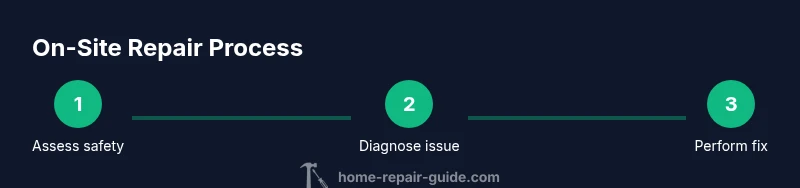
Before you start any on-site repair, confirm the mower type (gas, diesel, or electric), verify the model specifications, and review the owner’s manual for torque specs and safety warnings. Visual inspections can uncover loose cables, worn belts, corroded terminals, and debris jams that cause performance drops. Always set the mower on a stable, flat surface, disconnect the spark plug wire for gas units, and keep a fire extinguisher within reach. The goal is to create a safe, controlled workspace where small repairs can be completed quickly yet thoroughly.
Diagnosing issues during on-site mower service
Many on-site failures stem from fuel, air, or ignition problems, plus blade, belt, or deck faults. Start with safety: ensure the unit is off, the spark plug boot is disconnected (gas engines), and the blade is not under load. Listen for abnormal noises and note any vibrations, smoke, or smells. Common culprits include a dirty air filter, stale fuel, clogged carburetor, a fouled spark plug, or a damaged belt. For electric mowers, check the battery state-of-charge, terminals, and charger compatibility. A systematic approach—recording symptoms, model data, and recent maintenance—guides decisions about on-site fixes or a shop visit. As Home Repair Guide analysis shows, precise diagnostics cut downtime and prevent misdiagnosis.
Tools, parts, and safety for on-site repairs
On-site work benefits from a compact, purpose-built toolkit. Essentials include a spark plug wrench, a torque driver, a flat-head and Phillips screwdriver, pliers, a socket set, a small hammer, a carburetor spray, a clean rag, and a spare air filter. For gas engines, carry a spark plug and fuel line clamps; for electric models, have a multimeter and a compatible charger. Safety gear is non-negotiable: safety glasses, chemical-resistant gloves, closed-toe shoes, and a dust mask when handling dusty filters. Keep a fire extinguisher, a first-aid kit, and a clear workspace. Carry spare parts appropriate to your mower model, and store them in a labeled pouch to speed on-site decisions.
Gas vs electric mower repair considerations
Gas-powered mowers present fuel lines, carburetors, spark plugs, and exhaust components that require careful handling when on-site. Leaks, stale fuel, and clogged carburetors are frequent causes of poor performance. Electric mowers hinge on battery health, charging equipment, and motor connections; a weak battery or corroded terminals can mimic engine issues. When diagnosing, distinguish between fuel-related symptoms and electrical symptoms. In all cases, work in well-ventilated areas, avoid sparks near fuel, and disconnect power sources before disassembly. The choice to repair on-site versus in a shop often depends on part availability and tools required for core repairs.
On-site troubleshooting workflow (example scenarios)
Scenario A: Gas mower struggles to start but runs briefly after priming. Check spark plug, air filter, and fuel lines; replace the spark plug, clean or replace the air filter, and verify clean fuel. Scenario B: Electric mower loses power under load. Inspect battery state-of-charge, try a full charge, check connectors, and measure voltage. If voltage is low or connections are corroded, replace the battery or fix the terminal connections. These decisions hinge on safe access to parts and the ability to test starts safely in a controlled area.
Maintenance habits to speed future on-site repairs
Develop a concise maintenance routine that you perform at the start and end of each mowing season. Clean the deck, remove grass clippings, and inspect blades for nicks or dullness. Replace filters and spark plugs on a regular cycle (per manufacturer guidance) and keep spare parts organized. Create a quick diagnostic checklist you can reuse when issues recur. Regular, proactive maintenance prevents major failures and reduces the time needed for on-site service.
Tools & Materials
- Safety gear (glasses, gloves, non-slip boots)(Essential for all on-site work)
- Spark plug wrench(Gas engines; keep spare spark plug on hand)
- Socket set and screwdrivers (flat-head & Phillips)(For covers, blades, and guards)
- Pliers and needle-nose pliers(Jumps and clamps; grips for hoses)
- Torque driver(Useful for torque specs from manual)
- Small carburetor spray and cleaning cloth(Clean filters and jets)
- Spare air filter and spark plug (gas models)(Quick replacements minimize downtime)
- Scissors or utility knife(Debris removal and safety trimming)
- Battery tester and spare battery (electric models)(Confirm battery health on-site)
- Fire extinguisher and first-aid kit(Safety first in any fuel operation)
- Cleaning rags and spray bottle with water/soap(Keep components dry and clean)
Steps
Estimated time: 30-45 minutes
- 1
Prepare workspace and ensure safety
Set mower on a flat, stable surface. Disconnect the spark plug boot for gas engines. Ventilate if indoors, keep a fire extinguisher nearby, and wear safety gear. This protects you from fuel exposure, blades, and moving parts before any disassembly.
Tip: Label any wires before disconnecting and photograph the setup to aid reassembly. - 2
Verify fuel and electrical conditions
Check fuel quality and levels; replace stale gas with fresh fuel if needed. For electric mowers, test battery charge and inspect terminals for corrosion. Ensure the power source is safe to handle and that the area is free of ignition sources.
Tip: If using fuel, work outdoors and avoid spills near open flames. - 3
Inspect and service ignition and air system
Remove the air filter for inspection; clean or replace if dirty. Remove and test the spark plug; replace if worn or fouled. Inspect carburetor jets or passages if the engine struggles to start or runs rough.
Tip: Always ground yourself and avoid touching hot exhaust components. - 4
Check the blade and deck setup
Inspect the blade for nicks or dullness; sharpen or replace as needed. Check blade balance and secure with the correct torque. Remove debris from the deck and ensure belts are intact and properly aligned.
Tip: A dull blade causes extra strain and can damage the engine over time. - 5
Reassemble and perform a controlled test
Reinstall any parts, reattach the spark plug boot, and reconnect the battery if applicable. Start the mower in a clear, enclosed space and monitor for abnormal sounds or vibrations. Stop immediately if smoke or a strong fuel smell appears.
Tip: Test at low throttle first to confirm proper idle before full load. - 6
Document findings and plan preventive maintenance
Record what was inspected, parts replaced, and any notes on performance. Schedule preventive maintenance and stock essential spare parts. Share a quick maintenance schedule with the user for ongoing care.
Tip: Create a one-page checklist for future quick reference.
FAQ
Can I fix a lawn mower on-site instead of taking it to a shop?
Yes, many common issues can be addressed on-site, including air and fuel system maintenance, blade care, and minor electrical fixes. Complex repairs or rare parts might require a shop visit. Always assess safety and part availability before proceeding.
Yes, you can fix many issues on-site, but for complex problems you may need a shop visit.
What safety steps are essential for on-site mower repairs?
Always disconnect power when inspecting fuel or electrical components, keep a fire extinguisher nearby, wear protective gear, and work on a stable surface. If unsure, pause and consult the owner’s manual or a professional.
Always disconnect power, wear PPE, and work on a stable surface. If unsure, pause and consult the manual.
What maintenance should I perform to prevent future on-site issues?
Regularly clean the deck and air filter, inspect and replace spark plugs and belts as recommended, and test the battery on electric models. Keeping fuel fresh and blades sharp minimizes downtime.
Regular cleaning, timely part replacement, and fuel/battery care prevent many issues.
How long does an average on-site mower repair take?
Most routine on-site repairs take from 30 minutes to an hour, depending on the issue and parts availability. Complex symptoms or delayed parts can extend the timeline.
Typically 30 minutes to an hour, longer if parts are needed.
Should I attempt carburetor cleaning myself?
Carburetor work can be tricky; if you’re inexperienced, start with air filter and spark plug, and consider professional help for carburetor cleaning to avoid damage.
Carburetor work can be tricky—consider professional help if you're unsure.
Watch Video
Key Takeaways
- On-site diagnostics save time when performed safely
- Gas and electric mowers require different checks but share core steps
- Keep an organized toolbox and spare parts ready
- Follow manufacturer specs for torque and safety warnings