Zip Repair Near Me: A Practical Home Guide to Fixing Zippers
Learn practical zipper repair techniques for clothing, bags, and gear. This guide covers DIY fixes, essential tools, safety tips, and when to seek zip repair near me for professional help.


You’ll learn practical, in-home zipper repair techniques for common zip issues on clothing, bags, and gear, plus clear guidance on when to search for zip repair near me. This step-by-step guide covers quick assessments, the right tools, and safe repair methods, helping you save time and money. Whether you fix it yourself or hire a local pro, you’ll finish with a functional zipper and a plan to prevent future failures.
Why zip repairs matter in home care
Zippers are tiny but mighty components that hold pants, jackets, backpacks, pillows, and many other everyday items together. When a zip fails, it can slow you down, limit what you can wear, or force you to replace an item prematurely. A simple fix often costs a fraction of replacement, especially for durable fabrics like denim or leather. From a practical standpoint, learning basic zip repair near me skills empowers you to extend the life of belongings and avoid unnecessary trips to the store or tailor. According to Home Repair Guide, zip repair near me is a common homeowner task that can save time and money when basic zipper issues arise. By understanding the problem and choosing the right approach, you can decide whether to DIY or seek professional help.
Quick assessment: is it repairable or replaceable
Before disassembling seams, take a calm, systematic look at the zipper. Common problems include a stuck slider, missing teeth, a torn zipper tape, or fabric fraying near the zipper line. Start with a gentle test: grip the slider with needle-nose pliers and move it up and down slowly to see where it binds. If the teeth align and the slider moves smoothly after a light adjustment, a slider replacement or reattachment may fix the issue. If teeth are bent, missing, or the tape is severely damaged, replacing the zipper is usually the more durable solution. A careful evaluation now saves time later and helps you decide if zip repair near me is worth pursuing for your specific item.
Common zipper problems and fixes
Zipper trouble comes in several flavors. A stuck slider may be freed by lubricating with graphite or wax, a quick fix that often buys time. Bent teeth can sometimes be coaxed back into place with careful pressure, but severely bent teeth are usually beyond repair. A detached slider can be reattached using the proper size replacement slider. Torn zipper tape may hold with fabric glue or a patch, but if the damage is extensive, replacing the zipper is the best long-term option. For heavy fabrics, such as coats or bags, repair methods differ from lightweight fabrics; ensure you match the zipper type (coil, metal, or molded plastic) to the right repair approach. When in doubt, consider zip repair near me options to compare DIY success with professional alternatives.
Tools and materials you’ll need
Gather essentials before you start: a sewing needle and thread in a matching color, a replacement zipper slider of the correct size, needle-nose pliers, a seam ripper, scissors, and a small amount of fabric glue or clear tape for temporary stabilizing. If the teeth or tape are damaged beyond simple fixes, you’ll need a replacement zipper tape. Optional items like a zipper repair kit can streamline the process, especially on curved or heavy-duty zippers. Having a clean workspace, good lighting, and a container for tiny parts reduces misplacement and mistakes.
Step-by-step repair methods (overview)
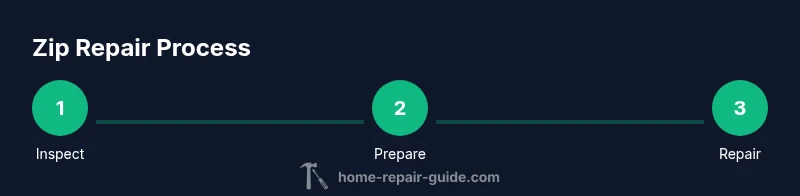
This section provides an overview of the repair workflow, which is then detailed in the STEP-BY-STEP block. Begin by diagnosing the problem, choosing a repair method, and preparing both the item and the tools. For minor issues, slider replacement or reattachment is usually enough. For damaged teeth or tape, replacement is often the best long-term solution. After completing the repair, test the zipper repeatedly to confirm smooth operation and consider reinforcing the surrounding seam if the fabric is worn. For additional detail, see the dedicated step-by-step section below.
Safety, warnings, and best practices
Always work with sharp tools away from your eyes and skin. When cutting threads or removing old zipper components, use a slow, controlled motion. If you feel resistance in the fabric or bite the thread with force, stop and reassess; forcing a zipper can damage the garment or bag. Keep small parts out of reach of children and pets. If you encounter mold, frayed fabric, or structural damage to the garment, stop the repair and consider professional zip repair near me options to avoid lifelong embarrassment or safety issues.
Finding zip repair near me: evaluating options
If a DIY approach isn’t delivering reliable results, search for zip repair near me to compare service quality, turnaround time, and costs. Look for a local tailor, alteration shop, or repair specialist with zipper expertise and client reviews. Ask about the types of zippers they handle (coil, metal, plastic) and whether they replace the tape or slider. Compare warranty offerings and turnaround estimates. If the item is valuable or vintage, professional care is worth considering to preserve its integrity and value.
Maintenance to prevent future zipper failure
Prevention reduces repair frequency. Regularly inspect zippers for signs of wear, especially around stress points like pockets and cuffs. Clean the zipper teeth with a soft brush to remove lint, then lubricate lightly with graphite or a dedicated zipper lubricant. Store items with zippers closed to avoid bending the slider during transport. For heavily-used gear, such as backpacks or coats, consider applying wax-based or silicone-based lubricants a few times per season to keep movement smooth and reduce future wear.
Tools & Materials
- Sewing needle(sharp enough for denim or heavy fabric)
- Replacement zipper slider(same size and pull style as the original)
- Thread (matching color)(polyester or cotton, strong enough for fabric)
- Needle-nose pliers(gentle grip, avoid crushing teeth)
- Seam ripper(useful to remove old stitching)
- Scissors(sharp for precise cuts)
- Fabric glue or clear tape(temporary stabilizer for delicate fabrics)
- Replacement zipper tape (optional)(only if the tape is damaged)
- Zipper repair kit (optional)(for curved or specialty zippers)
Steps
Estimated time: 30-60 minutes
- 1
Assess damage and prep
Inspect the zipper to identify the fault: stuck slider, damaged teeth, torn tape, or worn fabric around the zipper. Clear the area around the zipper and place the item on a flat surface. This prep prevents lost parts and misalignment during repair.
Tip: Take photos or note the exact problem before removing any parts. - 2
Remove the old slider (if necessary)
Gently grip the slider with needle-nose pliers and slide it off. If teeth are misaligned, realign them first before removing the slider. Keep the slider in a small container to avoid losing it.
Tip: Do not yank; a gradual, even pull minimizes fabric damage. - 3
Attach the new slider
Position the new slider at the base of the zipper teeth and guide it upward with even, gentle pressure. Ensure the slider sits squarely on the teeth and test movement before proceeding.
Tip: Match the slider size and pull style to the original to avoid binding. - 4
Test and adjust tension
Zip and unzip slowly to check alignment. If it catches, remove the slider and re-seat it. Repeat until movement is smooth across the full length.
Tip: If binding persists, inspect individual teeth for bending or damage. - 5
Address damaged teeth or tape
For bent teeth, gently coax back into place with pliers. If the tape is torn, consider patching with fabric glue or replacing the tape entirely. In many cases, replacing the tape yields a more durable repair.
Tip: Only replace the tape if you can align it without stressing surrounding fabric. - 6
Seal and reinforce
Stitch a small reinforcement around the zip ends if the surrounding fabric shows wear. This helps reduce future pulling on the zipper and prolongs life.
Tip: Use a tight, small stitch to avoid bulk at the seam. - 7
Final test and cleanup
Run the zipper through multiple cycles with light pressure. Check for snags and verify full closure. Clean up loose threads and store tools for next use.
Tip: Document any tricky areas for future reference or professional help if needed.
FAQ
What is the quickest way to fix a stuck zipper?
First try cleaning the teeth and applying a light lubricant. Gently work the slider back and forth while guiding the teeth with a needle-nose plier. If it remains stuck, inspect for bent teeth or fabric intrusion and consider slider replacement.
Try cleaning and lubricating, then gently move the slider. If it still sticks, check for bent teeth or fabric snag and consider replacing the slider.
When should I replace a zipper instead of repairing it?
If multiple teeth are missing, the tape is torn beyond repair, or the fabric around the zipper is worn, replacement is usually the best long-term option. A partial repair may work for temporary fixes on non-critical items.
If several teeth are missing or the tape is torn, replacing the zipper is often best. For minor issues, a repair may suffice.
Do I need to bring the item to a professional zip repair near me?
Not always. Small items like jackets or bags with minor issues can be fixed at home. If the zipper is integral to a waterproof seam, leather, or heavy gear, a pro may deliver a more durable fix with less risk of fabric damage.
Often you can DIY, but for heavy or waterproof seams, a professional fix reduces risk.
Can I repair a zipper on leather or heavy fabric?
Yes, but it’s more challenging due to material stiffness. Use proper tools and choose hardware designed for heavy fabrics. If the item is valuable or structurally important, seeking zip repair near me is sensible.
Leather and heavy fabrics are doable but tougher; consider pro help for high-stakes items.
What are the essential tools for zip repair near me?
Essential tools include a replacement slider, matching thread, a needle, and pliers. A seam ripper and scissors simplify removing old stitches. For tricky zippers, a repair kit can be helpful.
You’ll need a slider, thread, needle, pliers, and scissors; a repair kit helps with complex zippers.
Is it safe to use household glue on zippers?
Glue should be avoided on moving zipper components. If used, it risks stiffening the zipper and attracting debris. Prefer fabric-safe lubricants or targeted methods for sticking repairs.
Avoid glue on moving parts; use proper lubricants or targeted fixes instead.
How long does a zipper repair typically take?
DIY zipper repairs usually take 30 to 60 minutes depending on damage. Complex repairs or replacements may require more time, especially if you need to source parts.
Most repairs are under an hour; longer if the zipper needs replacement.
Watch Video
Key Takeaways
- Diagnose before disassembly and save time.
- Use the correct slider size to prevent binding.
- DIY fixes work for minor issues; call a pro for serious damage.
- Test thoroughly after each repair stage.
- Maintain zippers regularly to prevent future failures.