A Practical Step-by-Step Guide to Repair Block Paving
Learn how to repair block paving with a safety-first approach. Diagnose issues, prep the base, replace blocks, reinstate sand, and seal for durability.


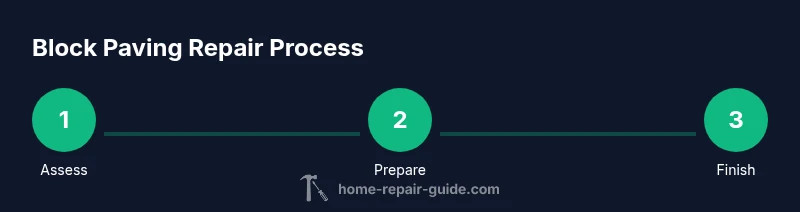
A Practical Step-by-Step Guide to Repair Block Paving: This guide explains how to diagnose failures, lift loose blocks, rebuild the base, reinstall sand, replant blocks, and seal joints for long-lasting paving. You’ll need basic tools, dry sand or polymeric joint sand, and proper safety gear. Follow a clear sequence: assess, lift, clean and level, replace blocks, compact, joint, and seal for durable results.
Understanding why block paving fails and how to diagnose
Block paving problems usually stem from base issues, drainage problems, or wear over time. According to Home Repair Guide, the most durable repairs start with diagnosing the root cause, not simply replacing broken blocks. Look for sunken edges, loose blocks, sand loss, weed growth, and water pooling. A weak or poorly compacted base—caused by inadequate excavation, insufficient bedding sand, or disturbed sub-base—will lead to ongoing settlement. Begin by walking the area after rain to observe where water collects and where movement occurs. Inspect edges and drainage channels for blockages. Document the worst spots with photos from multiple angles. Consider whether frost heave or tree roots are shifting the pavement. The aim is to identify the underlying issue so you can choose the right repair approach, whether topping up bedding sand, replacing blocks, or re-laying a section with proper edging.
Planning your repair: layout, drainage, and access
Start with a clear plan for pattern and drainage. Decide on a pattern that matches the existing paving (e.g., herringbone or basket weave) and plan straight lines with string and stakes to keep blocks aligned. Check that drainage flows away from structures and that edges are restrained to prevent lateral movement. Measure the entire area to determine how many blocks and how much sand you will need. If you must move items, schedule access so you can work without heavy foot traffic on the surface. Prepare a temporary working zone with tarp or boards to keep debris off nearby surfaces. A well-planned approach reduces rework and helps maintain even joints once you start laying.
Site safety and PPE you should wear
Before you begin, assemble PPE and tools. Wear sturdy gloves, safety glasses, a dust mask when cutting or sweeping fine sand, and non-slip footwear. Keep children and pets away from the work area. Use hearing protection if you’ll operate power tools or a compressor. Ensure power sources are kept dry and that any gas or electric equipment is properly ventilated. Work in daylight or well-lit conditions to prevent missteps. Clear the site of loose stones or trip hazards. A safe, organized workspace minimizes accidents and speeds up the repair process.
Assessing damage and removing affected blocks
Carefully review the paving to decide which blocks need lifting. Start at the far edge and work inward to avoid inadvertently destabilizing the rest of the surface. Use a chisel and rubber mallet to loosen blocks with minimal fracture risk, then slide them out with a flat bar. Set salvaged blocks to one side in the same pattern for easy replacement. If blocks are cracked, discolored, or permanently chipped, replace them with new blocks that match color and size. Clean the voids under removed blocks to remove old sand and debris. Document the condition of adjacent blocks to anticipate future movement.
Replacing blocks and reconstructing the base
With damaged blocks removed, inspect the base and sub-base for erosion or soft spots. Reinstall edging restraints if necessary. Lay fresh bedding sand evenly and, using string lines, reposition blocks to maintain the intended pattern and alignment. Tap gently with a rubber mallet to seat blocks level with surrounding units. Check each block for level and alignment as you go. If you encounter any hollows or gaps beneath a block, backfill with additional bedding sand and tamp until solid. Once all blocks are in place, sweep excess sand from joints and ensure consistent joint width.
Reinstalling sand and jointing: forming solid joints
Sweep dry sand or polymeric joint sand into the joints, sweeping from one side to the other to avoid displacing blocks. Use a stiff broom to work sand deep into the joints, then sweep the surface clean. If using polymeric sand, lightly mist with water as directed by the product to set the joints while avoiding runoff onto the surface. Compact the entire area with a plate compactor or hand tamper to ensure blocks are snugly bedded and joints compacted. Recheck level and joints after compaction and add more sand if needed to fill any voids.
Sealing options and drainage considerations
Decide whether you will seal the surface. Sealing can reduce weed growth and staining but may alter slip resistance and drainage. If you choose to seal, apply a compatible sealer evenly over the pavers and joints, following the manufacturer’s instructions. Ensure joints are clean and completely dry before sealing. Consider drainage improvements if water pooling recurs, such as adjusting grade or adding drainage channels around the perimeter. A well-sealed surface with proper drainage will resist stains and wear longer, while preserving color.
Maintenance routines to extend life and avoid common mistakes
Regular maintenance saves money in the long run. Inspect the surface after winter or heavy rainfall for loose blocks, settled sand, or weed intrusion. Refill joints with sand as needed to maintain solid, uniform joints. Avoid washing with high-pressure hoses directly on the edges of the pavers, which can erode bedding sand. If you notice pooled water, investigate drainage and re-grade as necessary. By staying proactive, you’ll reduce the frequency of major repairs and keep the paving looking neat for years.
AUTHORITY SOURCES
- Home Repair Guide reference: Core principles for diagnosing and repairing block paving rely on stable base preparation and proper jointing materials. This section cites established guidance and practical steps from reputable sources.
- https://www.fhwa.dot.gov/pavement/ (Federal Highway Administration) provides general pavement aging and maintenance considerations.
- https://extension.umn.edu (University of Minnesota Extension) offers practical, field-tested advice on laying and repairing paving with durable patterns and proper base preparation.
Common mistakes to avoid
Avoid common mistakes that lead to recurring problems. Do not skip base inspection or rely on a thin sand layer to carry loads; this results in movement and misalignment. Don’t mix incompatible joint sands with sealers, as this can cause discoloration or joint failure. Refrain from heavy foot traffic on fresh bedding sand until it fully stabilizes. Lastly, avoid patching only the most visible areas; a poorly repaired section can undermine adjacent blocks and offer poor drainage.
FAQ and quick references
This article is designed to be comprehensive and practical, addressing typical concerns homeowners have when repairing block paving. For best results, perform tasks in a logical order, maintain consistent joints, and verify that the entire surface is stable before finishing.
Tools & Materials
- Paver bricks or blocks(Match size and color to existing pavement; select full blocks without hairline cracks)
- Edge restraints/edging(Keeps perimeter stable and prevents lateral movement)
- Bedding sand(Used under pavers to create a stable base; ensure even thickness)
- Joint sand (polymeric or dry)(Fills joints after laying; polymeric options set with moisture)
- Geotextile fabric (optional)(Can help stabilize weak or soft sub-base)
- Tamper/plate compactor(Compact sub-base and bedding sand for a flat, solid surface)
- Chisel and rubber mallet(Lifts and positions blocks with control; avoids edge damage)
- Broom and dustpan(Keeps joints clean during sand application)
- Safety gear (gloves, goggles, dust mask, sturdy footwear)(Personal protection for cutting, lifting, and sanding)
- Pressure sprayer or spray bottle (for polymeric sand)(Used to set polymeric sand as per manufacturer's directions)
Steps
Estimated time: 3-6 hours
- 1
Survey and plan pattern
Assess the area and decide the pattern. Mark straight lines with string. Plan drainage and edge restraints before lifting any blocks.
Tip: Use a chalk line to keep pattern alignment from end to end. - 2
Clear area and remove damaged blocks
Clear furniture and debris. Loosen and lift damaged blocks using a chisel and rubber mallet, then set them aside in the original pattern for replacement.
Tip: Work methodically from one edge inward to avoid destabilizing neighboring blocks. - 3
Inspect base and sub-base
Check for soft spots or erosion under the paving. Remove damaged bedding sand and compact the sub-base if needed to restore stability.
Tip: Keep the base clean; even small debris can cause misalignment. - 4
Re-lay bedding sand and position blocks
Spread bedding sand evenly and position salvaged blocks back into place using the pattern guides. Tap gently with a rubber mallet until level with adjacent blocks.
Tip: Check every few blocks for level to prevent uneven joints. - 5
Adjust and fill gaps
Backfill any gaps beneath blocks with sand, ensuring a uniform surface. Re-check level across the entire area.
Tip: Use a straightedge or spirit level as a quick check across several blocks. - 6
Apply joint sand
Sweep joint sand into all joints, working in from the sides. Compact the surface after filling to settle the sand into the joints.
Tip: Do not leave voids; compacting helps avoid future movement. - 7
Seal joints (optional) and check drainage
If using polymeric sand, follow product instructions for setting. Verify drainage paths and adjust if standing water remains.
Tip: Avoid sealing both the surface and joints at the same time if rainfall is forecast. - 8
Final inspection and cleanup
Inspect for uniformity, clean excess sand from surfaces, and ensure the area is ready for normal use. Schedule follow-up inspection after heavy rainfall.
Tip: Document the completed work with photos for future maintenance.
FAQ
Do I need to lift all blocks to repair a damaged edge?
Not always. If the damage is limited to the edge, you may only need to lift the affected blocks and re-lay the edge row. However, verify the edge restraints and base stability before proceeding.
Edge damage can sometimes be fixed by replacing the affected blocks, but you should check the base and edging before proceeding.
What’s the best sand for joints around block paving?
Polymeric sand provides a solid, long-lasting fill but requires proper installation and curing conditions. Dry kiln-dried sand is easier for DIY and can be adequate for low-traffic areas.
Polymeric sand lasts longer but follow instructions; dry sand is simpler for light use.
How long should the area be out of service after repair?
This depends on weather and product choice. Plan for a day of curing and avoid heavy loads immediately after completing the repair.
Expect about a day for curing and setting before heavy traffic.
Can I seal block paving myself or should I hire a pro?
DIY sealing is possible with the right product and clean, dry conditions. If you’re unsure about drainage or surface preparation, a pro can help ensure even coverage and prevent staining.
You can seal it yourself if you follow the product directions, but consider a pro for best results.
What maintenance helps prevent future problems?
Regularly inspect for loose blocks, weed growth, and sand loss. Refill joints as needed and clean within a schedule that matches traffic and climate.
Keep the surface clean, refill joints, and keep an eye on drainage.
Watch Video
Key Takeaways
- Diagnose the root cause before repairing.
- Plan patterns and drainage to prevent future movement.
- Keep the base clean and compacted for durability.
- Fill joints fully and verify level across the surface.
- Regular maintenance extends block paving life.