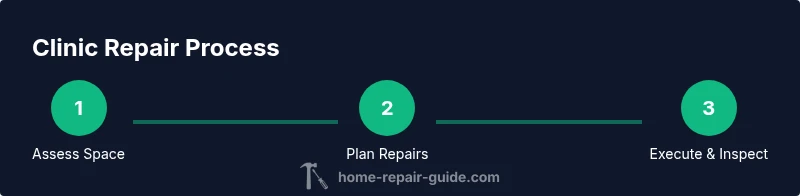
Clinic Repair Guide: Step-by-Step Maintenance for Small Clinics
A practical, step-by-step guide to clinic repair for small medical spaces. Learn safety, sanitation, and durable fixes to keep clinics compliant and functional.


You will learn how to plan, inspect, and safely perform clinic repair tasks in a small healthcare space. This guide covers electrical safety, moisture control, sanitation, and space optimization. You will get a step-by-step process, essential tools, and practical tips to keep a clinic area functional and compliant. Expect guidance on tool selection, tackling common issues, and documenting repairs for ongoing maintenance.
Why Clinic Repair Matters
In any clinical space, even a small home clinic, reliable repair and maintenance are critical for safety and trust. According to Home Repair Guide, proper clinic repair helps reduce infection risks, improve patient comfort, and extend the lifespan of essential systems. When you maintain cabinets, patient areas, and utility rooms, you create a safer, more professional environment. For homeowners and renters, this means fewer interruptions, lower long-term costs, and a space that remains compliant with basic health and safety expectations. This article uses practical, field-tested methods to demystify clinic repair and show you how to organize, inspect, and fix problems efficiently. By focusing on durability and sanitation, you’ll protect everyone who uses the space and preserve value in your property.
Safety and Compliance in Clinic Repair
Safety is the foundation of any clinic repair project. Before you touch any electrical, plumbing, or structural component, review your space for potential hazards. Always wear appropriate PPE, secure the area, and follow a clear lockout-tagout procedure for electrical work. In clinic environments, infection control is non-negotiable: use moisture-resistant materials, sealants that resist mold, and clean surfaces with hospital-grade cleaners where appropriate. While not all tasks require licensed professionals, high-risk work—such as electrical rewiring or major plumbing changes—should involve a qualified electrician or plumber. The Home Repair Guide team emphasizes documenting all work and maintaining a clean, organized space to support ongoing safety and compliance.
Planning a Home Clinic Repair Project
Effective planning turns a potentially chaotic repair into a manageable, predictable process. Start by defining the scope: which systems are involved (electrical, plumbing, walls, flooring, sanitation stations), what standards apply (local codes, basic hygiene guidelines), and what the end state should look like. Create a simple bill of materials and a realistic timeline, including buffers for delays. Map out a layout that supports efficient workflow and infection control. Scheduling should consider patient or client access, especially in spaces that see frequent foot traffic. Finally, establish a maintenance calendar to catch issues before they escalate and to keep the clinic space compliant over time.
Assessment: Walking Through Your Space
A thorough assessment helps you catch issues early. Start at the entry, reviewing lighting, flooring, door thresholds, and accessibility. Move to the patient area, examining countertops, sinks, and waste disposal areas for sanitation compliance. Check the walls and ceilings for moisture signs, cracks, or mold, and inspect vents and HVAC components for proper airflow. Document findings with clear notes and photos. This baseline assessment informs your repair plan and helps you prioritize tasks based on safety, cost, and impact on patient experience.
Common Issues in Clinic Environments and Fixes
Common issues in clinic spaces include moisture intrusion around sinks and bathrooms, leading to mold and deteriorating surfaces; electrical outlets near damp areas; worn flooring in high-traffic zones; and poorly sealed doors that compromise sanitation and airflow. Fixes range from resealing joints with moisture-resistant caulk, replacing damaged drywall with mold-resistant alternatives, and upgrading lighting for better visibility. For doorways and thresholds, consider threshold strips and smoother transitions to support accessibility. When addressing sanitation, select easy-to-clean surfaces and ensure waste streams are clearly separated and properly labeled.
Materials and Finishes for Clinic Repair
Durability and hygiene drive material choices in clinic repair. Favor moisture-resistant drywall or cement panels, epoxy or vinyl flooring in wet zones, and quartz or solid-surface countertops for easy cleaning. Use sealants with antimicrobial properties where appropriate, and install washable wall coverings in patient areas. When upgrading fixtures, prioritize corrosion-resistant hardware in bathrooms and utility areas. Always verify that wall and floor materials meet local health and safety guidelines, and prefer products with high cleanability ratings to minimize ongoing maintenance.
Water, Electrical, and HVAC Considerations
Water, electrical, and HVAC systems require careful attention in clinic spaces. Ensure GFCI-protected outlets near sinks and in treatment areas, and replace any damaged cords or outlets immediately. For moisture control, review seals around plumbing fixtures, windows, and doors; re-caulk where needed and check for hidden leaks. HVAC should have cleanable filters and adequate ventilation to support air quality. Routine inspections of ducts, vents, and fans protect both patient comfort and staff safety. If you notice unusual odors, dampness, or heat buildup, pause work and consult a professional before proceeding.
Maintenance Scheduling and Documentation
A formal maintenance schedule prevents small problems from turning into costly repairs. Create a monthly checklist for cleaning, filter replacements, and visual inspections of walls and ceilings. Record all repairs, parts replaced, and dates of service to build a traceable history. This documentation helps with future maintenance planning and provides transparency for stakeholders. A consistent approach to maintenance saves time, reduces downtime, and supports long-term clinic viability.
Tools & Materials
- Multimeter/voltage tester(Check outlets and circuit health before work)
- GFCI tester(Confirm outlets near water are protected)
- Moisture meter(Detect hidden moisture in walls and floors)
- Caulk and sealants (silicone/moisture-resistant)(For seams around sinks, walls, and tiles)
- Mold-resistant drywall or cement board(Use where moisture risk is high)
- Epoxy or vinyl flooring patches(Durable, easy to clean in high-traffic zones)
- Sheet goods (plywood or cement board)(For quick wall repairs)
- Grout, tiles, and sealers(In bathrooms or wet rooms)
- Safety PPE (gloves, goggles, mask)(Protect against dust, mold, and chemicals)
- Safety glue and fasteners(Secure components during repairs)
- Caulk gun(Apply fixtures and seals cleanly)
- Stud finder and level(Ensure proper mounting and alignment)
Steps
Estimated time: 2-4 hours
- 1
Inspect electrical safety
Power down the affected circuits, test outlets with a voltage tester, and identify any damaged cords or switches. Document issues before making changes. If you suspect a wiring fault, avoid DIY fixes and contact a licensed electrician.
Tip: Always lock out the circuit and wear non-conductive gloves when inspecting live panels. - 2
Assess moisture and ventilation
Check sinks, cabinets, and ceilings for leaks or dampness. Use a moisture meter to find hidden areas, and confirm ventilation is adequate in treatment spaces. Address leaks before finishing surfaces to prevent mold growth.
Tip: Place fans or dehumidifiers temporarily to dry spaces after sealing leaks. - 3
Plan repairs and layout
Draft a simple plan showing refreshed routes for wiring, plumbing, and movement. Choose sanitary materials that resist moisture and are easy to clean. Schedule work to minimize disruption for occupants or patients.
Tip: Keep a photo-based record of the existing layout to compare with the final plan. - 4
Repair surfaces
Replace damaged drywall with moisture-resistant boards where needed. Seal joints with appropriate caulk and re-seal any wet areas. Install new flooring or vinyl in high-traffic zones for durability.
Tip: Before installing new surfaces, ensure the substrate is dry and free of debris. - 5
Upgrade fixtures and lighting
Install brighter, energy-efficient lighting and ensure all fixtures are rated for damp or wet conditions as appropriate. Check door thresholds and weatherstripping to improve sanitation and comfort.
Tip: Test lighting in multiple configurations to avoid glare in patient areas. - 6
Final safety checks and documentation
Re-test outlets, inspect for cleanability of surfaces, and verify that all repairs meet local safety guidelines. Document parts, manufacturer specs, and future maintenance steps for easy reference.
Tip: Keep a repair log with dates, parts, and warranties for future maintenance.
FAQ
What qualifies as clinic repair in a home setting?
Clinic repair refers to maintenance tasks that improve safety, sanitation, and functionality in spaces used for clinical activities, even within a home. It includes fixes to electrical, plumbing, walls, flooring, and sanitation surfaces to meet basic hygiene standards.
Clinic repair means maintaining spaces used for clinical tasks, focusing on safety and cleanliness. It covers electrical, plumbing, and surface repairs to meet basic hygiene standards.
Is clinic repair different from typical home repair?
Yes. Clinic repair emphasizes infection control, easy-to-clean surfaces, and durable materials that support frequent cleaning and potential patient interaction. It often involves stricter sanitation considerations and closer adherence to safety guidelines.
Clinic repair adds a sanitation-forward layer to regular home repairs, with more focus on hygiene and durable, easy-to-clean finishes.
What tools are essential for clinic repair?
Critical tools include moisture meters, a voltage tester, PPE, sealants, moisture-resistant boards, and a quality caulk gun. Having these on hand helps you perform common repairs safely and effectively.
Key tools are moisture meters, voltage testers, PPE, sealants, and moisture-resistant boards for quick, safe clinic repairs.
How long does a typical clinic repair take?
A small clinic repair can take a few hours to complete, depending on scope. Plan for 2-4 hours for initial fixes, plus additional time for inspection and documentation.
Most quick clinic repairs take a few hours, with time for planning and documentation.
What safety considerations should I follow?
Prioritize lockout-tagout for electrical work, use PPE, and ensure proper ventilation when using cleaners. Avoid compromising any critical systems and know when to call licensed professionals.
Always lock out circuits, wear PPE, and call a pro for complex electrical or plumbing tasks.
Can I perform clinic repair myself, or should I hire pros?
Many routine maintenance tasks can be done by homeowners with basic skills. However, high-risk work like electrical rewiring or major plumbing should be handled by licensed professionals to ensure safety and code compliance.
DIY is okay for simple tasks, but for electrical or major plumbing, hire licensed pros.
Watch Video
Key Takeaways
- Prioritize safety before any repair work.
- Use moisture-resistant materials in clinics.
- Plan and document every step for future maintenance.
- Test thoroughly after repairs and maintain logs.
- Choose sanitation-friendly finishes for easy cleaning.