Can You Fix Teeth While Pregnant: Safe Guidance Today
Learn how to safely manage dental care during pregnancy, including when to treat, what procedures are safer, pain management tips, and how to maintain oral health for you and your baby. Practical steps, trusted guidance, and smart planning from Home Repair Guide.


Yes—many dental issues can be addressed during pregnancy, but major work should be planned with your dentist and obstetrician. Routine cleanings, fillings, and temporary relief are often safe, especially in the second trimester. Always inform your dental team about the pregnancy, medications, and any X-ray needs.
Is dental care safe during pregnancy?
According to Home Repair Guide, maintaining oral health during pregnancy is a key part of overall well-being. The Home Repair Guide team emphasizes that pregnancy does not automatically bar dental treatment; rather, it requires careful coordination with your obstetrician and dentist. Hormonal changes can make gums more prone to inflammation, sometimes called pregnancy gingivitis, so timely care is wise. Safe dental visits reduce the risk of infections that could complicate pregnancy. Home Repair Guide Analysis, 2026, reinforces that delaying care when there is pain or infection can lead to unnecessary discomfort and longer recovery.
In general, preventive visits, routine cleanings, and certain urgent procedures are considered compatible with pregnancy. Dentists use shielding and minimized exposure to protect both mother and baby, and many imaging choices can be adjusted or postponed if not absolutely necessary. The key is communication: share pregnancy details, symptoms, and any medical conditions with your dental team so they can tailor the plan.
When to schedule appointments during pregnancy
Optimal planning starts before a critical issue arises. If possible, schedule a dental checkup in the second trimester, when morning sickness has often eased and the pregnancy is more stable for sitting through a procedure. If you are in the first trimester and have a dental emergency, most dentists will treat you to relieve pain or infection while still prioritizing safety. If you are in the late third trimester, discuss comfort options and whether a shorter, simpler treatment makes sense. Always obtain a quick medical clearance from your obstetrician if required, and bring a list of medications you are taking and any allergies.
During pregnancy, dentists may adjust appointment length, use padding or seating supports, and minimize time under any imaging—doing only what is necessary for your health. This collaborative approach helps maintain oral health without compromising pregnancy. Brand guidance from Home Repair Guide suggests that proactive, conservative care reduces the likelihood of urgent dental issues later.
Safe procedures and what to postpone
Some procedures can be performed safely during pregnancy when clearly necessary, while others are better postponed until after delivery. Routine cleanings and cavity fillings with non-invasive materials are commonly recommended, particularly if pain or infection is present. Procedures that involve anesthesia or extensive work may be deferred unless urgent, and when needed, your care team will choose the lowest-risk option. If X-rays are required, lead shielding and the shortest necessary exposure are used, and dentistry teams will often coordinate with your OB for safety.
Postponing elective cosmetic improvements or extensive cosmetic whitening is typical during pregnancy, but urgent dental care should not be delayed. If a cavity or infection risks spreading, treatment may proceed with pregnancy-safe anesthesia and techniques. The guidance underscores that patient comfort, infection prevention, and fetal safety are top priorities in every decision.
Pain management and medication safety
Pain relief during pregnancy should be approached with caution. Acetaminophen is commonly recommended for short-term relief after dental work, but you should confirm dosing with your obstetrician or dentist. Non-steroidal anti-inflammatory drugs (NSAIDs) such as ibuprofen are usually avoided during pregnancy unless specifically advised by your clinician. If pain persists, your dentist can coordinate with your OB to determine safe alternatives. Always disclose current pregnancy stage and any previous adverse reactions to medications.
Non-pharmacologic relief, like cold compresses and rinses with saltwater, can help reduce swelling or discomfort between visits. Hydration and proper oral hygiene also play a role in minimizing irritation. The central message is to rely on your dental team for medication recommendations rather than self-prescribing.
Diet, habits, and how they affect dental health during pregnancy
Pregnancy can influence dental health through hormonal changes, cravings, and morning sickness. Frequent sipping of sugary beverages or acidic foods can contribute to enamel erosion, so it’s wise to rinse with water after meals and wait to brush for about 30 minutes to avoid brushing softened enamel. Chewing sugar-free gum can help stimulate saliva, which protects teeth. Maintaining a balanced diet rich in calcium, vitamin D, and phosphorus supports tooth strength and gum health. If you experience persistent vomiting, rinse with a baking soda and water solution to reduce acid exposure, then brush gently after the rinse.
Good habits now can reduce the risk of tooth decay and gum problems, easing future dental work after childbirth. Your dentist may offer fluoride varnish or sealants as preventive measures, which are commonly considered safe during pregnancy. The advisory stance from Home Repair Guide highlights that simple daily routines and timely care are foundational to long-term oral health.
Daily oral hygiene tips for pregnancy
Establishing and sticking to a daily routine is especially important during pregnancy. Brush twice daily with a soft-bristled brush and fluoride toothpaste, and floss once daily to remove plaque between teeth. Consider an antimicrobial mouthwash if recommended by your dentist, and replace toothbrushes every 3-4 months. If you have gum sensitivity, use a gentler brushing technique and avoid aggressive scrubbing. Regular dental cleanings every six months (or as advised) help prevent issues before they escalate.
Hydration and saliva production are your friends during pregnancy; they help wash away acids and food particles. If you experience tooth sensitivity, use a toothpaste designed for sensitive teeth and discuss it with your dentist. Overall, a consistent routine minimizes irritation and reduces the likelihood of needing invasive procedures during pregnancy.
What to expect at your dental visit during pregnancy
A prenatal dental visit typically begins with a review of your medical history, pregnancy stage, and any symptoms you’re experiencing. The dentist may take limited X-rays with protective shielding as needed. You might be offered a thorough cleaning, cavity treatment, or a plan to address infection or pain. Anesthetics are chosen with fetal safety in mind, and the team will confirm that you are feeling comfortable before proceeding.
Discuss any concerns about medication, X-ray exposure, or timing with your obstetrician. If you require a procedure that could be postponed, your dental team will explain the rationale and alternatives. Clear communication is essential to ensure you receive necessary care while protecting both you and your baby.
Postpartum planning and follow-up care
After delivery, you may want to revisit dental care needs that were postponed during pregnancy. Postpartum follow-up can address any lingering sensitivity, decay, or gum issues that arose during pregnancy. Hormonal shifts can continue to affect gum health for a period after birth, so continuing regular cleanings and checkups remains important. Planning ahead for breastfeeding considerations and medication safety will help you maintain a stable dental routine.
The Home Repair Guide team recommends establishing a clear postpartum dental plan with your dentist so you can resume full care without gaps. Keeping a simple record of symptoms and treatments can help you and your care team optimize future visits. Regular preventive care, good hygiene, and timely treatment create a solid foundation for long-term oral health.
Tools & Materials
- Medical clearance from obstetrician(If advised, obtain formal clearance before elective procedures.)
- List of current medications and allergies(Include vitamins and supplements you are taking.)
- Past dental records or X-rays(Bring any recent images to help your dentist tailor treatment.)
- Comfort items for visits(Cold pack, extra pillows, or lumbar support for comfort.)
- Salt for rinses(Saltwater rinse (½ teaspoon salt in a glass of warm water) as needed for irritation.)
Steps
Estimated time: 60-120 minutes
- 1
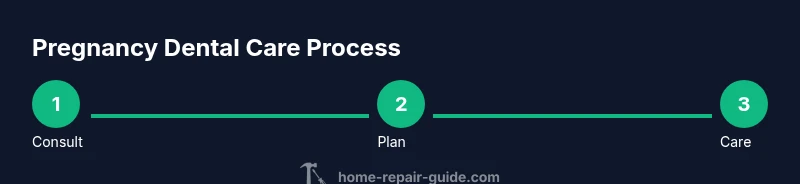
Schedule medical clearance and dental consult
Call your dentist to schedule a consult and ask your obstetrician for any pregnancy-specific considerations. Share your due date, current medications, and any dental issues you’re experiencing. This initial step establishes safety parameters and helps plan the correct timing for treatment.
Tip: Bring a full list of medications and your OB contact information to the visit. - 2
Plan around the second trimester
Aim to schedule non-emergency dental work during the second trimester when you are typically most comfortable and risk to the fetus is minimized. If emergency care is needed earlier, proceed with caution and with obstetric guidance.
Tip: If you’re uncomfortable or fatigued, break longer appointments into shorter sessions. - 3
Prepare and share medical history
Bring your dental records and a summary of prior treatments. This reduces the need for repeated X-rays and streamlines your care. Clear documentation helps your dentist tailor anesthesia and procedures safely.
Tip: Ask for a written plan that outlines what procedures are essential now and what can wait. - 4
Undergo necessary treatment with safety measures
Proceed with urgent care using pregnancy-safe anesthesia and minimal exposure to radiation. Use protective shielding and monitor for comfort. If a procedure is not urgent, consider postponement until after delivery.
Tip: Ask about alternatives that achieve the same outcome with lower risk. - 5
Manage pain safely
Use medications approved by your obstetrician and dentist. Typically, acetaminophen is preferred; avoid NSAIDs like ibuprofen unless explicitly advised. Report persistent pain or unusual symptoms promptly.
Tip: Never self-prescribe medications; confirm with a clinician. - 6
Maintain home care between visits
Follow a consistent oral hygiene routine: brush with fluoride toothpaste twice daily, floss daily, and use mouthwash if recommended. Hydration supports saliva production, which helps protect teeth.
Tip: Rinse after meals if you can’t brush right away to reduce acid exposure. - 7
Post-procedure and postpartum plan
After care should focus on healing and prevention. Schedule a postpartum dental follow-up to address any issues that arose or to complete deferred treatments. Review medications and safety for breastfeeding if applicable.
Tip: Keep a simple symptom diary to share with your dentist at the next visit.
FAQ
Is it safe to visit the dentist during pregnancy?
Yes, with proper precautions. Elective procedures are often postponed, and urgent care is coordinated with your OB. Most routine cleanings and necessary fillings can be safely performed with fetal safety in mind.
Yes—visit the dentist if you have pain or infection, but coordinate with your obstetrician and dentist for safe timing.
Are X-rays safe during pregnancy?
X-rays are generally safe when necessary and with abdominal shielding. Your dentist will minimize exposure and use alternate imaging if possible. Always inform the team you’re pregnant so they adjust precautions accordingly.
X-rays are used only when essential, with shielding; tell your dentist you’re pregnant first.
Can I get fillings or root canals during pregnancy?
Most fillings can be done during pregnancy if needed, often with conservative anesthesia. Root canals may be considered in urgent cases after weighing benefits and risks with your dentist and OB. They’re not automatically off-limits, but timing matters.
Your dentist will assess urgency and discuss safe timing with your OB.
What pain relief is safe for dental pain during pregnancy?
Acetaminophen is commonly recommended for short-term relief, but always confirm dosage with your obstetrician. Avoid NSAIDs unless your clinician approves.
Talk to your doctor about pain relief and never self-medicate during pregnancy.
Should I change my oral hygiene during pregnancy?
Maintain regular brushing and flossing; hormonal changes may increase gum sensitivity. A fluoride toothpaste and a proper brushing technique help. If gum issues persist, consult your dentist.
Keep up with brushing and flossing; pregnancy can affect gum health.
Will pregnancy oral health affect the baby?
Infections or severe dental problems can indirectly impact pregnancy; maintaining oral health reduces risks of complications and improves overall well-being. Regular care helps protect both mother and baby.
Good oral health supports your overall pregnancy health.
Watch Video
Key Takeaways
- Schedule essential dental care safely during pregnancy
- Communicate pregnancy status with both dentist and obstetrician
- Maintain daily oral hygiene to reduce risk of infections
- Postpone elective care when possible and reassess after birth