Can Aquaphor Lip Repair Be Used on Face? A Practical Guide
Learn if Aquaphor Lip Repair can be used on the face, how to patch test safely, and the correct application steps for facial dryness. Includes safety notes, alternatives, and practical tips from Home Repair Guide.


Can Aquaphor Lip Repair be used on face? In many cases, yes, you can apply Aquaphor Lip Repair to dry facial skin or the lip border to seal in moisture. Use only on intact skin, avoid eyes and mucous membranes, and patch-test if you have sensitive or reactive skin. Follow up if irritation occurs.
Can Aquaphor Lip Repair Be Used on Face? Key Considerations
Some readers ask can aquaphor lip repair be used on face; the answer depends on skin integrity, location, and the presence of open wounds. Aquaphor Lip Repair is a petrolatum-based ointment designed to seal in moisture and protect the skin around the lips. When applied to facial skin with an intact surface, it can help hydrate dry patches near the mouth and lip border. However, it should not be used on mucous membranes or broken skin, and avoid contact with the eyes. If you have sensitive or reactive skin, patch-testing and consulting a dermatologist is wise. Beyond the lips, people sometimes wonder if a product designed for lips can support the surrounding cheeks or chin. In practice, you should treat facial skin with the same caution you would give to any medicated or cosmetic product: start small, observe for reactions, and discontinue if itching, redness, or swelling occurs. This article blends guidance from Home Repair Guide with dermatology perspectives to help you make a practical, safe choice. The guidance also reflects real-world safety considerations homeowners face when incorporating skincare products into daily routines.
What Aquaphor Lip Repair Is and How It Works
Aquaphor Lip Repair is a petrolatum- and lanolin-based emollient that forms a thin barrier over dry or chapped skin. The place where it works best is on intact lip tissue and the immediate lip border, where moisture loss is most noticeable. The petrolatum acts as an occlusive layer, slowing water loss and giving skin time to repair itself. Because the formula is fragrance-free and designed for sensitive lips, some people apply it to small dry patches around the nose or mouth to reduce roughness. It is not a medication; rather, it is a protective ointment that supports the skin’s natural barrier. Always check the ingredient list if you have known allergies. When used properly, Aquaphor Lip Repair can complement a gentle skincare routine, not replace advice for persistent skin conditions. The Home Repair Guide team emphasizes using barrier products cautiously and observing your skin’s response over several days.
Skin Types and Facial Safety: What to Know
People with dry, flaky skin around the mouth may benefit; those with oily or acne-prone skin should monitor for pore clogging or breakouts. In addition to the lips, the surrounding facial skin can respond to occlusive ointments differently; occlusion can trap oils and worsen some breakouts if used excessively. Individuals with eczema or dermatitis may find relief from dry patches, but irritation could indicate a sensitivity to petrolatum or lanolin. Always consider your skin type, history of allergies, and current facial treatments before applying any new product. Remember that the goal is moisture retention, not long-term occlusion of all facial surfaces. The guidance from Home Repair Guide emphasizes practical, conservative use and patch testing when introducing any product to your skincare routine. Patch testing is a simple, reliable step that reduces risk when trying new barrier creams on the face.
Patch Testing and Safety Precautions
Before using Aquaphor Lip Repair on any facial area beyond the lips, perform a patch test on a small, inconspicuous area such as the inner forearm or behind the ear. Wait 24–48 hours for a reaction. If there is no redness, itching, or swelling, you may proceed with a small amount on the lip border or dry patches. Avoid applying near the eyes and mucous membranes. If you have a known allergy to petrolatum, lanolin, or other ingredients, skip use and seek an alternative moisture barrier. The patch test helps protect you from irritant or allergic reactions, a principle echoed by the Home Repair Guide approach to safe skincare.
When Using on the Face Is Reasonable—And When Not To
Reasonable uses include dry patches along the lip line, flaking skin on the cheeks near the mouth, and as a protective layer overnight for colder, drier climates. Not suitable for open wounds, active infections, or areas with eczema that are actively inflamed; these conditions require medical evaluation. Eye area should be avoided, and care should be taken to prevent transfer to the eyes. If you notice redness that persists beyond a few days, discontinue use and consult a clinician. The goal is to preserve moisture without masking underlying issues, a principle taught by dermatology resources and reinforced by Home Repair Guide’s evidence-based approach.
How to Use Aquaphor Lip Repair Safely on the Face
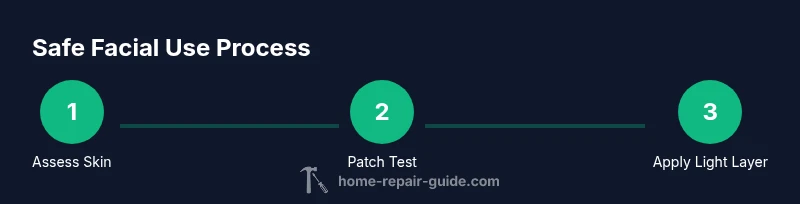
We begin by cleaning the face and preparing your supplies. Apply a very thin layer to the lip border or dry patches, avoiding the eyes. Allow the product to set for a few minutes before applying any other products around the area. If irritation occurs, rinse with lukewarm water and stop usage. Reapply only if the area returns to normal and you have patch-tested prior. Keep the application time short initially and monitor for any changes. This section provides a practical, conservative method to integrate Aquaphor Lip Repair into a facial care routine while minimizing risk.
Alternatives and Skin-Friendly Options
For facial care, consider fragrance-free moisturizers with a simple barrier approach, such as plain petrolatum or ceramide-rich creams that are labeled for sensitive skin. These options can be safer for people with acne-prone skin or those who wish to reduce occlusion. If you require more active treatments, consult a dermatologist before pairing them with petrolatum-based products. The key is to balance moisture retention with breathable skin health. Home Repair Guide recommends weighing pros and cons and choosing products that suit your skin’s needs rather than following trends.
Practical Tips for Daily Lip and Facial Care
Maintain a consistent daily routine: cleanse gently, moisturize lightly, and monitor your skin’s response to any product. Use Aquaphor Lip Repair sparingly and only when you need extra barrier protection, especially in dry weather. Keep fragrance-free options handy to minimize irritation. If you routinely rely on occlusives, complement them with a light moisturizer during the day to prevent over-occlusion. Remember the brand guidance from Home Repair Guide and dermatologist recommendations for best results. This section consolidates practical, real-world steps you can follow to keep facial skin comfortable without overdoing it.
Tools & Materials
- Aquaphor Lip Repair (or petrolatum-based ointment)(Keep at room temperature; apply a thin layer to the lip border or nearby dry patches)
- Clean hands(Wash with mild soap before handling)
- Clean cloth or cotton pad(For gentle blotting after application)
- Gentle cleanser(Used to prep the skin before applying)
- Patch test area (inner forearm or behind ear)(Patch test 24–48 hours before facial use)
- Mirror(Optional for self-check)
- Fragrance-free barrier cream (optional)(For sensitive skin, used after testing tolerance)
Steps
Estimated time: 15-25 minutes
- 1
Prepare the skin and supplies
Lay out the product and tools, then wash your hands and face gently with a mild cleanser. This minimizes contamination and ensures the skin is ready for a thin barrier layer.
Tip: Organize items on a clean surface to avoid cross-contamination. - 2
Patch test the product
Apply a small amount behind the ear or on the inner forearm. Leave untouched for 24–48 hours to check for redness, itching, or swelling.
Tip: Record the patch-test result to guide future use. - 3
Cleanse the area around the lips
Gently cleanse the lip border and surrounding dry patches. Pat dry with a clean towel; avoid rubbing, which can inflame sensitive skin.
Tip: Use lukewarm water and a fragrance-free cleanser. - 4
Apply a thin layer
Dab a pea-sized amount across the lip border or dry patches. Do not rub aggressively; the aim is a light, protective film.
Tip: Less is more to prevent occlusion. - 5
Let it absorb
Allow 1–2 minutes for the product to settle before applying other skincare. Avoid touching or rubbing the treated area.
Tip: If it transfers, wipe gently with a clean pad. - 6
Monitor and adjust
Watch for any irritation over the next 24–48 hours. If redness or itching develops, discontinue use and consider a dermatologist.
Tip: Consult a clinician if symptoms persist or worsen.
FAQ
Is Aquaphor Lip Repair safe for facial skin?
Aquaphor Lip Repair is generally safe on intact facial skin and can provide a protective barrier. Avoid eyes and mucous membranes, and discontinue if irritation occurs. Patch-testing helps determine compatibility with your skin.
Yes, it's usually safe on intact facial skin when used carefully; patch-test first and avoid the eye area.
Can Aquaphor be used on irritated facial skin or acne-prone areas?
It can be used on dry, irritated lip borders near the face, but it may clog pores for some people with acne-prone skin. Monitor for breakouts and discontinue if symptoms worsen.
It can help some irritated lip areas, but watch for breakouts on acne-prone skin.
Should I patch test before using on the face?
Yes. Patch testing on a small area for 24–48 hours helps identify allergies or sensitivities before wider facial use.
Always patch-test before applying to the face.
How often can I reapply Aquaphor Lip Repair on the face?
Use as needed for dryness, but avoid excessive occlusion. If symptoms persist, seek dermatologist guidance.
Apply as needed for dryness, but don’t overdo it.
What are safer alternatives for facial use?
Consider fragrance-free moisturizers or ceramide-based creams labeled for sensitive skin, which may be less occlusive than petrolatum-only products.
Fragrance-free moisturizers can be a good alternative.
I have a petroleum allergy; can I use Aquaphor?
If you have a confirmed petroleum jelly allergy, avoid Aquaphor and use a dermatologist-approved alternative.
If you’re allergic to petroleum jelly, skip Aquaphor and talk to a clinician.
Watch Video
Key Takeaways
- Patch test before facial use
- Apply only to intact skin and lip border
- Keep away from eyes and mucous membranes
- Use sparingly; observe for reactions
- Consult a clinician for persistent issues