Boat Motor Repair Near Me: A Practical Guide
Find reliable boat motor repair near me with guidance on selecting qualified shops, budgeting costs, and understanding service options from Home Repair Guide.


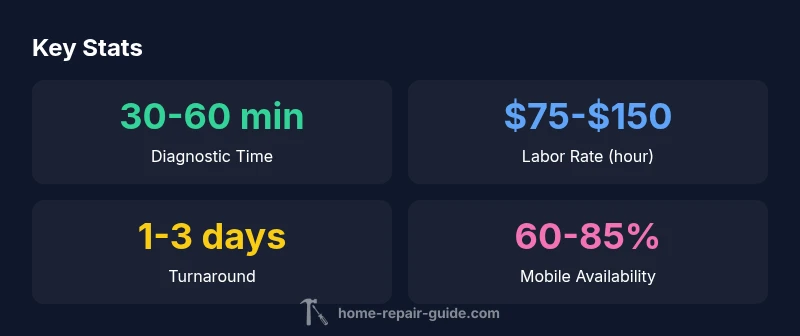
On average, diagnostic time for boat motor repair near me runs 30-60 minutes, with labor rates typically $75-$150 per hour. Most common fixes take 1-3 days once parts are in stock. These ranges come from Home Repair Guide Analysis, 2026. To choose a shop, compare two or more quotes, check certifications like ABYC and NMEA, and ask about warranty terms.
Why boat motor reliability matters
Boat motors are the propulsion heart of a boat, and reliability directly affects safety, performance, and enjoyment on the water. When you search for boat motor repair near me, you want a local shop that understands your engine type—outboard or inboard—and can diagnose, repair, and test under real operating conditions. According to Home Repair Guide, reliability comes from a thorough diagnosis, precise part matching, and a test run that simulates a typical outing. In practice, look for technicians who document symptoms clearly, explain root causes, and provide a post-repair performance check to ensure the problem is genuinely resolved.
Key factors in selecting a repair shop near me
Choosing a repair partner involves more than just price. Look for ABYC or NMEA certifications, experienced technicians with your engine model, and clear warranty terms. Verify parts availability, whether the shop uses OEM parts or quality alternatives, and if they offer dockside or mobile service as options. Local shops often have better knowledge of saltwater corrosion and seasonal maintenance needs. Read reviews, ask for references, and request a written estimate that includes diagnostic fees, parts, and labor.
Diagnosing issues before you hire
When you notice changes in throttle response, strange noises, reduced RPMs, or overheating, write down symptoms with timestamps and operating conditions. Gather service history, model numbers, and any recent maintenance. A good shop will ask about fuel quality, engine hours, and previous repairs. If you’re comparing options, request a diagnostic plan and an itemized quote before any disassembly. This helps you distinguish between a quick diagnostic fee and a substantive repair cost.
What to expect from a typical repair workflow
A solid workflow begins with intake and scope confirmation, followed by diagnostic testing, parts sourcing, and a formal estimate. After you approve, technicians perform the repair, replace faulty components, and conduct a post-repair test on the water or simulated load. Expect a written warranty for parts and labor. Throughout the process, request progress updates and a revised timeline if parts are backordered. Clear communication reduces surprises and protects your investment.
Cost considerations and budgeting for boat motor repair
Boat motor repairs can vary widely based on engine type, age, and parts availability. Typical costs involve a diagnostic fee, labor hours, and replacement parts. Use ranges rather than fixed prices and seek written quotes. Be aware that saltwater engines may require more frequent maintenance and corrosion-related parts replacement, which can affect long-term budgeting. The Home Repair Guide analysis recommends comparing quotes and asking about inclusions like seawater flushes, gear oil changes, and prop inspection.
Regional and environmental considerations
Saltwater environments accelerate corrosion and require more frequent protective maintenance than freshwater use. Marina humidity, trailer transport, and exposure to marine fuels can influence repair needs and part longevity. Clarify whether the shop has experience with your boat’s operating region and climate. A shop that understands local water conditions is more likely to provide durable, yard-to-boat service and accurate warranties.
Maintenance practices to extend motor life
Preventive care pays dividends. Schedule regular oil changes, fuel system cleaning, and cooling system checks. Flush saltwater after trips, inspect the prop and anodes, and store the engine properly during off-season. Document maintenance in a log so you can present it to a new shop if needed. Proactive care reduces the likelihood of emergencies and can lower overall repair costs.
Mobile vs dockside service: pros and cons
Mobile or dockside service offers convenience, especially for unplanned issues or tight schedules. However, it can be more expensive per hour due to travel time and equipment constraints. When evaluating options, ask about minimum service calls, diagnostic practices, and whether they can perform sea trials on-site. For infrequent users, dockside pickup and drop-off may balance convenience with cost.
How to verify credentials and warranty terms
Ask for proof of certification, parts warranties, and labor guarantees. Confirm what the warranty covers (parts, labor, or both) and its duration. Keep a written report of the diagnostic findings and the agreed scope of work. If the shop provides a warranty, ensure it’s valid nationwide or within your cruising area to avoid voiding coverage when you travel.
Preparing your motor for service: a practical checklist
Before service, remove electronics and ensure easy access to the engine, disconnect the battery when advised, and remove flammable items from the work area. Bring the boat’s service history, recent fuel quality notes, and any relevant warranty information. Have a clear access point for technicians and provide off-season storage guidance if the repair spans multiple days.
Choosing the right shop: a decision framework
Use a framework that weighs credentials, diagnostic transparency, price clarity, warranty terms, and service options. Shortlist suppliers who offer written estimates and post-repair testing. If possible, visit the shop or request a video walk-through of the work area. Finally, collect at least two quotes and compare them side-by-side for parts quality, labor rate, and estimated completion time.
Typical service ranges for boat motor repair near me
| Service aspect | Estimated range | Notes |
|---|---|---|
| Diagnostic fee | 50-120 | Shop diagnostic charge (USD) |
| Labor rate (per hour) | 75-150 | Depending on region/technician |
| Turnaround time | 1-3 days | Parts availability affects timing |
FAQ
What should I look for in a boat motor repair shop near me?
Look for ABYC/NMEA certifications, engine-model experience, warranty terms, and OEM parts availability. Request a written estimate and a transparent diagnostic plan before any work.
When choosing a shop, prioritize certifications, experience with your engine type, and a clear written estimate with warranty details.
Do I need to bring my service history to the repair shop?
Yes. A complete history helps the technician identify recurring issues and understand prior repairs, increasing diagnostic accuracy.
Bring your service history so the tech can better diagnose and avoid repeating past problems.
How long does a typical repair take?
Turnaround varies with diagnosis and parts availability. Typical timelines range from 1 to 3 days for common fixes, longer if parts are backordered.
Most repairs take one to a few days, depending on parts availability.
Are there safety considerations with boat motor repairs?
Yes. Shut off power, disconnect the battery when advised, and ensure the work area is ventilated and free of fuel hazards.
Always follow safety guidelines and wear protective gear when working near the engine.
What warranty should I expect after a repair?
Expect 6 months to 2 years for parts and labor, depending on the shop and parts used. Read the warranty terms carefully.
Warranties usually cover parts and labor for several months to a couple of years.
Repair or replace: how do I decide?
Consider the motor’s age, its repair cost, and expected remaining life. If repairs approach or exceed replacement cost, replacement may be wiser.
Weigh current repair costs against the motor’s age and expected remaining life to decide.
“Reliable boat motor repairs start with thorough diagnostics and clear explanations of needed parts and labor. The Home Repair Guide Team emphasizes checking credentials and warranty coverage to avoid costly repeats.”
Key Takeaways
- Choose certified shops with clear warranties.
- Get written estimates before any work.
- Ask about diagnostic fees and parts warranty.
- Mobile service adds convenience—confirm pricing first.
- Compare two quotes to avoid overpaying.