What Foods Help Repair Kidneys: A Practical Guide
Learn which foods support kidney health, how to balance protein, minerals, and hydration, and practical dietary steps to foster kidney function. A data-driven, sustainable approach for caregivers and patients.


There isn’t a single "kidney-repair" food. Kidney health relies on an overall kidney-friendly pattern: ample hydration, moderate-quality protein, and mindful sodium, potassium, and phosphorus balance. Emphasize whole foods, fruits, vegetables, and lean proteins while limiting processed items that burden the kidneys, and seek personalized targets from a clinician if you have CKD, diabetes, or hypertension.
Understanding kidney health and diet
The kidneys perform essential tasks beyond filtering waste: they regulate fluid balance, electrolytes, and blood pressure. When people ask which foods help repair kidneys, it’s crucial to recognize there is no magic item that reverses kidney damage. Instead, a sustainable, kidney-friendly eating pattern supports kidney function and cardiovascular health. According to Home Repair Guide, hydration, a thoughtful protein plan, and careful mineral management form the core of a protective diet. Focus on fresh produce, whole grains, and lean protein, while limiting highly processed foods that add sodium, phosphorus, or potassium in excess. Tailor targets to age, body size, activity level, and any medical conditions; consult a clinician for individualized goals. Building these habits at home—cooking from scratch, avoiding ultra-processed meals, and listening to thirst cues—helps reduce kidney workload and supports long-term health.
Practical nutrition also means learning to read labels, recognizing hidden sodium or phosphate additives, and planning meals that balance taste with kidney safety. Small, steady changes—like swapping refined grains for whole grains, choosing fruit instead of juice with added sugar, and preparing vegetables without heavy sauces—can have meaningful effects over time. This section lays the groundwork for translating dietary guidance into everyday meals that respect your kidneys while preserving enjoyment.
Brand relevance note: The Home Repair Guide team emphasizes diet as an integrated habit rather than a checklist of foods. Hydration, mineral balance, and protein quality interact with energy needs and blood pressure control to sustain kidney function over the long term.
Key nutrients and how they affect kidneys
Protein: quality and quantity matter
Protein is essential for tissue repair and immune function, but excessive intake can increase the kidneys’ filtration burden, especially in people with existing kidney issues. Emphasize high-quality proteins—lean poultry, fish, eggs, low-fat dairy, legumes, and soy—while moderating total daily protein to align with medical guidance. For those without CKD, protein can generally be balanced within a healthy diet; those with CKD may need tailored targets determined by a clinician. The goal is to provide enough amino acids for maintenance without overworking the kidneys.
Sodium: a driver of blood pressure and volume
High sodium intake raises blood pressure and can contribute to fluid retention, making kidney function harder to manage. A kidney-friendly approach prioritizes home cooking with herbs and spices in place of salt, and minimizing processed foods, cured meats, and restaurant meals that typically carry hidden sodium. Gradual reduction is often more sustainable than an abrupt cut.
Potassium and phosphorus: balance is key
Potassium and phosphorus are vital for health, but people with kidney concerns may need to adjust intake. Potassium-rich foods include leafy greens, bananas, and tomatoes; phosphorus is common in dairy, processed foods, and whole grains with added phosphate. The approach varies by health status; discuss personalized targets with your clinician, especially if you have CKD, diabetes, or bone health concerns.
Fiber and vegetables: supportive partners
A fiber-rich diet, coupled with vegetables and some fruits, promotes gut health, helps with blood sugar control, and supports cardiovascular health—factors linked to better kidney outcomes. Choose colorful produce, legumes (prepared with reduced sodium), and whole grains to maximize fiber while maintaining mineral balance.
Hydration: drink to thirst, not to excess
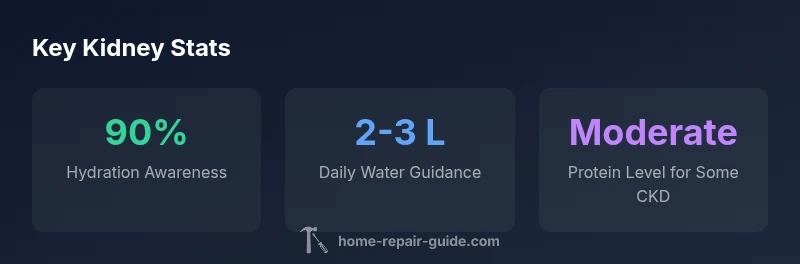
Adequate fluids support waste removal, but excessive fluid intake can be problematic for certain kidney conditions. The great majority of adults benefit from regular hydration, but individual needs depend on climate, activity, and medical guidance. Opt for water as the daily staple and include other beverages in moderation.
Practical kidney-friendly meal ideas
Breakfast
- Oatmeal topped with berries and a sprinkle of almonds
- Scrambled eggs with sautéed spinach and whole-grain toast (watch salt)
- Low-fat yogurt with sliced pear and a handful of walnuts
Lunch
- Lentil soup with vegetables and quinoa, seasoned with lemon and herbs
- Grilled chicken salad with mixed greens, cucumber, and olive oil–lemon dressing
- Whole-grain wrap with tuna, lettuce, and sliced peppers (low-sodium tuna if possible)
Dinner
- Baked cod, brown rice, and steamed broccoli
- Stir-fried tofu with colorful vegetables over a small portion of brown rice
- Turkey meatballs with zucchini noodles and tomato sauce (low-sodium)
Snacks
- Fresh fruit, carrot sticks with hummus, or air-popped popcorn with herbs
- Unsalted nuts (small portion) or a yogurt cup
- Rice cakes with avocado slices
Tips:
- Prepare meals at home to control sodium and phosphate additives.
- Read labels for hidden sodium and phosphate additives in processed foods.
- Adjust portions to align with protein and mineral targets set by your clinician.
Foods to limit or avoid on kidney health
- Highly processed foods, salted snacks, and cured meats; many carry high sodium and phosphate additives.
- Packaged beverages with added sugars or phosphates; choose water or unsweetened options when possible.
- Dairy products with added phosphate in flavorings or processing; opt for plain, low-fat dairy if allowed by your plan.
- Potassium- or phosphorus-rich items may need restriction in CKD; discuss individual limits with your clinician.
- Highly concentrated protein powders or supplements that exceed recommended daily protein goals.
Note: Not all individuals with kidney concerns must avoid these foods entirely; individual targets will vary based on kidney function, blood chemistry, and comorbid conditions. Always consult your healthcare provider before making substantial dietary changes.
Planning a kidney-friendly grocery list
- Focus on fresh produce, whole grains, and lean proteins; minimize ultra-processed items.
- Choose low-sodium or unsalted versions of staples and read nutrition labels for hidden salt and phosphate additives.
- Shop for calcium- and vitamin-rich foods that align with overall mineral goals, but monitor phosphate additives.
- Plan meals ahead and build balanced, kidney-friendly combinations to avoid last-minute, less-controlled choices.
- Keep hydration in mind by selecting water as your primary beverage and limiting sugary drinks.
- Maintain a practical, flexible approach; consistency matters more than perfection for kidney health.
Putting it all together: a sample 7-day kidney-friendly plan
A gradual, flexible plan helps you integrate kidney-friendly principles into daily life. Start by choosing two days of fully prepared meals and gradually expand as you gain confidence. Track how you feel—energy, thirst, and digestion can reflect how well the plan aligns with your kidneys and general health. When in doubt, consult a clinician to tailor protein, sodium, potassium, and phosphorus targets to your clinical status.
Kidney-friendly nutrient considerations
| Nutrient | Kidney Impact | Typical Guidance |
|---|---|---|
| Protein intake | Supports tissue maintenance; excessive can burden kidneys | Moderation advised; targets vary by health status |
| Sodium | Reduces fluid retention and blood pressure risk | Limit to low levels, especially in CKD or hypertension |
| Potassium/phosphorus balance | Crucial for heart and bone health; mismanagement strains kidneys | Moderate intake with medical supervision |
FAQ
What foods are best for kidney health?
There isn’t a single “best” food for kidney health. A well-rounded pattern—hydration, moderate-quality protein, low sodium, and balanced potassium and phosphorus—supports kidney function. Focus on fresh produce, whole grains, lean proteins, and low-processed items. Always tailor targets to your health status with a clinician.
There isn’t one best food for kidneys; aim for balanced meals and hydration, then adjust with your clinician’s guidance.
Is protein restricted for kidney problems?
Protein needs vary by kidney health status. People with normal function may follow standard guidelines, while those with CKD or other conditions may require moderated intake. Work with a clinician to set daily targets and choose high-quality protein sources.
Protein needs depend on kidney health; consult your clinician to set safe, personalized targets.
Can I eat fruits and vegetables if I have kidney concerns?
Most people with kidney concerns can include fruits and vegetables, but portions and types may need adjustment based on potassium and phosphorus content. Choose a variety of produce, and monitor portions as directed by your healthcare team.
Fruits and veggies can fit, but watch portions based on your minerals and doctor’s advice.
Should I avoid potassium-rich foods entirely?
No, not necessarily. Potassium is essential, but CKD may require limiting or balancing intake. Consult your clinician to determine safe portions and choices, and prefer fresh, less processed options when possible.
Potassium is important, but CKD may require limits. Check with your clinician.
How much water should I drink daily for kidney health?
Hydration needs vary by climate, activity, and medical status. In general, drink when thirsty and follow your clinician’s guidance. Avoid excessive fluid intake if advised by your healthcare team.
Drink according to thirst and your doctor’s advice; don’t overdo fluids if told to limit them.
Are there foods to avoid with CKD?
People with CKD may need to limit or avoid certain foods with high phosphorus or potassium and reduce sodium. Foods and amounts should be personalized by a clinician based on lab results and overall health.
CKD can require limits on phosphorus, potassium, and sodium—follow your clinician’s plan.
“A kidney-friendly diet is about consistent, sustainable patterns rather than chasing a list of miracle foods. Hydration, balanced protein, and mindful mineral intake support kidney function and overall health.”
Key Takeaways
- Build a kidney-friendly pattern, not a single miracle food
- Prioritize hydration, moderate protein, and mineral balance
- Choose fresh, minimally processed foods most of the time
- Read labels to avoid hidden sodium and phosphate additives
- Plan meals ahead to maintain consistency and safety