Repair and Maintenance Expense: Smart Budgeting Guide
A thorough look at forecasting, tracking, and reducing repair and maintenance expense for homeowners and renters through practical budgeting strategies.


For most homeowners, repair and maintenance expense should be forecasted and funded as a regular part of budgeting. Proactive reserves beat reactive fixes by reducing cash-flow shocks and preserving home value. A structured approach blends predictable monthly allocations with built in flexibility for surprises.
Understanding repair and maintenance expense
Repair and maintenance expense is the ongoing cost of keeping a home functional and safe, including routine upkeep and fixes that restore or preserve systems and finishes. It is distinct from major purchases or renovations, but it influences overall affordability and long term property value. According to Home Repair Guide, treating this expense as a core budgeting line item helps homeowners and renters avoid surprise bills and protect the home’s performance. The concept extends beyond a single room or season; it reflects age, wear, usage, and preventative care. In practical terms, you build a plan that covers both expected upkeep and a buffer for unexpected repairs, ensuring that the expense remains manageable rather than disruptive to your finances. The repair and maintenance expense, when forecasted, becomes a tangible part of your financial health rather than an afterthought.
The cost drivers behind repair and maintenance expense
Several factors push the repair and maintenance expense higher or lower over time. Home age and construction quality influence structural needs and the frequency of minor fixes. Climate and weather exposure affect exterior materials, insulation, and mechanical systems. Occupancy patterns, pets, and hobby projects alter wear on surfaces and appliances. Maintenance habits—such as seasonal inspections, timely servicing, and proactive replacements—significantly shape total costs. Home Repair Guide analysis shows that households with deliberate maintenance schedules tend to experience fewer large emergencies and smoother cash-flow, underscoring the value of disciplined planning for the repair and maintenance expense.
How to measure and forecast your repair and maintenance expense
Start by listing typical categories that require attention over a year or two, including plumbing, electrical, HVAC, roofing, exterior surfaces, and interior finishes. Track small repairs and routine services as you go, then extrapolate those patterns into a forecast. Use a simple calculator or spreadsheet to project the expected repair and maintenance expense across quarters, and add a contingency for unpredictable events. The goal is to transform scattered costs into a coherent budget that aligns with your home type, climate, and repair history. A clear forecast reduces anxiety and enables timely decisions when a repair becomes necessary.
Budgeting approaches: reserve funds vs ad hoc funding
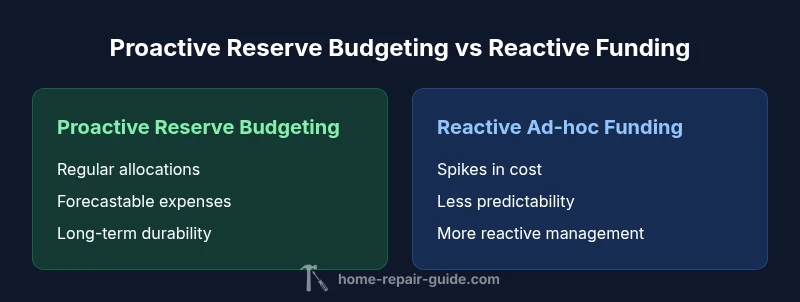
Two common approaches compete for attention when funding repair and maintenance expense. Proactive Reserve Budgeting allocates a steady monthly amount into a dedicated fund, aiming for predictability and continuity. Reactive Ad-hoc Funding relies on pulling money from general savings or borrowing when a repair arises. The former tends to smooth out cash flow and lower the chance of underfunding, while the latter offers flexibility but risks spikes in expense or deferred repairs. A blended strategy often works well: maintain a baseline reserve and supplement with discretionary savings as needed. This balance supports durability without tying up excessive capital in an unfunded pool.
Regional and dwelling-type variation
The impact of repair and maintenance expense varies by dwelling type and region. A single family home in a variable climate may require more frequent roof and exterior maintenance, while a condo might center on shared systems and balcony upkeep. Geographic differences in humidity, temperature swings, and storm exposure shape wear patterns. Occupant turnover, insurance requirements, and HOA rules further modify budget expectations. Understanding these nuances helps you tailor your plan so the repair and maintenance expense aligns with your home, location, and lifestyle.
Common categories with examples
Within the repair and maintenance expense, you will encounter categories such as structural and exterior care, mechanical systems, interior finishes, and safety components. Routine tasks include gasket replacements, filter changes, and caulking. More significant items involve roof inspections, appliance servicing, and electrical safety checks. For each category, link maintenance to longevity: timely care reduces total cost and preserves home comfort. Keeping a running list of upcoming tasks helps you prepare for expenses without surprises, reinforcing prudent budgeting for the repair and maintenance expense.
Tools, scheduling, and record keeping to reduce expense
A disciplined approach to tracking repairs and maintenance can cut the repair and maintenance expense over time. Use a simple calendar or maintenance tracker to set reminders for seasonal service, inspections, and replacements. Maintain digital records of receipts, warranties, and service notes to inform future decisions and negotiate better terms with contractors. Regular reviews of your records highlight recurring issues and prompt preemptive repairs, which typically cost less than urgent fixes. The discipline forms a proactive loop that controls expenses while maintaining home performance.
Warranties, insurance, and service plans
Warranties and home insurance can offset some repair and maintenance expense, but coverage varies by component and policy. Review what is included for major appliances, HVAC, roof, and structural elements, and understand exclusions. Service plans may offer bundled maintenance for certain systems, potentially lowering long term costs and reducing the chance of costly breakdowns. Integrating coverage with your budget helps you manage the repair and maintenance expense more predictably, without sacrificing property protection.
Case studies: scenarios illustrating budgeting choices
Scenario one considers a mid sized suburban home with frequent minor repairs. A proactive reserve approach allocates a steady monthly amount, resulting in minimal cash flow disruption when repairs arise. Scenario two focuses on a modern apartment with stable systems but occasional major service needs. A blended strategy—baseline reserve plus flexible savings—balances predictability with adaptability, optimizing the repair and maintenance expense across the year. These scenarios demonstrate how budgeting choices influence outcomes and homeowner confidence.
Implementation checklist you can start this week
- Create a master list of repair and maintenance tasks by category
- Set up a simple tracking method for expenses and service history
- Establish a monthly allocation for a dedicated reserve fund or a line item in your budget
- Schedule seasonal inspections for essential systems
- Review warranties and insurance for relevance to your plan
- Schedule a quarterly review to adjust forecasts and reserve levels
- Document learnings and update your maintenance plan accordingly
Common pitfalls and how to avoid them
Avoid treating repair and maintenance expense as optional or invisible. Don’t rely on a single emergency fund without regular contributions. Beware underfunding for recurring issues and overestimating the need for complex, expensive upgrades. Regular reviews and clear documentation keep your plan resilient, while realistic expectations prevent disappointment when repairs are needed.
Comparison
| Feature | Proactive Reserve Budgeting | Reactive Ad-hoc Funding |
|---|---|---|
| Predictability of expenses | High (regular allocations) | Low (unpredictable, spikes) |
| Cash flow impact | Steady monthly outlays | Irregular cash needs with unpredictable repairs |
| Long-term value | Supports durable upkeep and timely replacements | Risk of deferred repairs and higher future costs |
| Administrative effort | Moderate (track reserves and adjust) | Lower ongoing tracking, higher ad hoc management |
| Best for | Budget-focused households seeking stability | Owners comfortable with flexibility and occasional borrowing |
Upsides
- Improved financial predictability throughout the year
- Lower risk of funding gaps during emergencies
- Supports proactive maintenance and longer system lifespans
- Can be automated with modern budgeting tools
- Clear visibility of repair and maintenance expense over time
Disadvantages
- Requires discipline to fund regularly
- Overfunding may tie up cash unnecessarily
- Funds may be misallocated if priorities shift
- Interest or return on idle reserves may be limited in some vehicles
Proactive budgeting wins for most households
A dedicated repair and maintenance expense reserve reduces financial stress and enables durable maintenance. The Home Repair Guide team recommends adopting a formal reserve approach for steady, long-term property care.
FAQ
What qualifies as repair vs maintenance expense?
Repair costs restore function after damage or wear, while maintenance expenses prevent deterioration and prolong systems. Both belong in your repair and maintenance expense planning, but typical approach is to track repairs separately from routine upkeep tasks.
Repair costs restore function, while maintenance prevents failure. Both are part of your planning and should be tracked for accuracy.
How can I start building a repair and maintenance expense reserve?
Begin with a simple monthly contribution into a dedicated fund. Align the amount with your home type, climate, and prior repair history, then adjust as needed during reviews.
Open a dedicated fund and contribute monthly; adjust as you learn more about your home’s needs.
What budgeting methods work best for ongoing upkeep?
A blended method works well: a baseline reserve plus flexible savings for large or unexpected repairs. Regular reviews help keep the plan aligned with actual costs.
Use a baseline reserve plus flexible savings and review it regularly.
Should I rely on warranties and insurance for repairs?
Warranties and insurance can offset certain costs, but coverage varies. Always verify what is included and factor any exclusions into your repair and maintenance expense plan.
Check what is covered and how exclusions apply; don’t assume full coverage.
How often should I review my repair budget?
Review at least once per year, and adjust for any big life changes, new purchases, or unexpected repairs. A quarterly check can catch drift early.
Review annually, with quarterly checks if possible.
Key Takeaways
- Forecast early and build a dedicated maintenance reserve
- Prefer a blended approach that balances predictability with flexibility
- Track repairs and maintenance expense to refine forecasts
- Review warranties and insurer coverages to minimize net costs