Video Game System Repair Near Me: Find Local Experts
Discover trusted local options for video game system repair near you. Learn how to evaluate shops, compare estimates, and protect your console with warranty-backed service.


Locating trusted, nearby repair for video game systems starts with checking credentials, warranties, and parts. Compare quotes, confirm turnaround times, and choose shops that offer data-safe handling. For a complete step-by-step, see our guide.
Why local repair matters for video game systems near you
When your console won't boot, fans run loudly, or discs won't eject, you want a quick, safe resolution without shipping your system across the country. Local repair options matter because consoles are sensitive devices with delicate boards, compact connectors, and firmware that interacts with peripherals. Working with a nearby shop minimizes downtime, reduces shipping hazards, and gives you face-to-face recourse if something goes wrong. According to Home Repair Guide, proximity often translates to better communication, faster diagnostics, and easier follow-up visits if a warranty claim or part replacement is needed. The Home Repair Guide team found that reputable local technicians typically provide transparent diagnostics, in-person explanations, and warranty-backed parts when available. If you’re evaluating “video game system repair near me,” prioritize shops that publish clear service policies, show visible credentials, and offer a written estimate before any repair begins. A strong local option should also help you protect data and account information during service and provide safe handling when power supplies are opened for inspection. In short, proximity, transparency, and trust are the trifecta of a successful repair journey.
What typically goes wrong with video game consoles
Video game systems fail for a mix of hardware and software reasons, and most issues fall into a few predictable categories. Mechanical problems include jammed or worn disc drives, failing optical modules, and noisy or unresponsive fans. Power-related failures are common too: dead power supplies, shorted adapters, or PCs that refuse to boot due to faulty voltage rails. HDMI and display issues—fuzzy image, no signal, or color distortion—are frequent complaints that require path testing from the motherboard to the TV. Firmware or software corruption can manifest as crash loops, update errors, or suspicious freeze patterns, especially after interrupted updates. In many cases, a professional diagnostic can determine whether a component can be repaired, re-seated, or should be replaced with a compatible part. For buyers, remember that not every fault is economical to fix; some devices may be worth replacing if repair costs approach or exceed the system’s current market value. The goal is a safe, reliable, and data-protected repair that extends the device’s life without creating new risks.
How to evaluate a repair candidate near you
Choosing the right shop begins before you step through the door. Start by compiling a short list of local repair options and checking for credentials such as manufacturer-authorized service, training certificates, or independent associations. Read recent customer reviews focusing on diagnostic transparency, parts quality, and turnaround times. Ask shops about their warranty policy on parts and labor, and whether they use genuine or compatible components. Request a written estimate that itemizes labor, parts, and any diagnostic fee; beware vague quotes with unexplained line items. Verify what data handling practices they follow, especially for consoles with connected accounts and cloud saves. If a shop lacks a physical storefront or refuses to provide a written warranty, consider moving on to a more transparent alternative. Finally, compare the estimated time to complete the repair and the return shipping options if on-site service isn’t available. A careful, documented comparison helps you choose a partner you’ll trust with your investment.
What to expect during a diagnostic visit
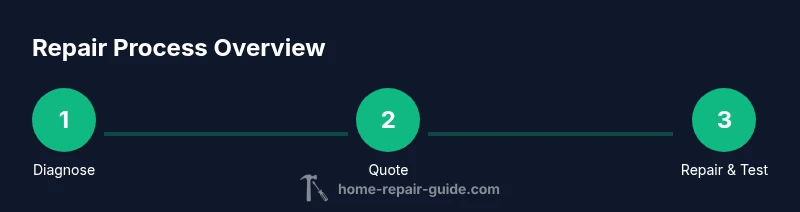
During a diagnostic visit, a technician should perform a structured assessment rather than touch-hap hazard guesswork. Expect intake questions about symptoms, model and serial numbers, and any recent incidents (drops, spills, updates). The technician will often perform external inspections, run baseline tests, and connect the console to diagnostic software to read error codes. A physical inspection may reveal loose connectors, swollen capacitors, or dust buildup that impedes cooling. If a data-safe approach is possible, technicians will securely back up non-cloud data you approve. After diagnostics, you should receive a written diagnostic report describing the suspected faults and a recommended repair plan with part costs and labor time. If the shop identifies the fault quickly, they may offer an on-site estimate and a best-case timeline. If parts must be ordered, expect a brief wait window and a confirmed appointment for reassembly and testing. The tone should be clear, not salesy, so you understand why a repair is feasible.
Cost considerations and warranty expectations
Repair pricing for video game systems varies widely by model, fault complexity, and regional labor rates. A diagnostic fee or triage charge is common in some shops, while others waive it with a repair commitment. Labor costs typically reflect the time spent disassembling the unit, testing components, and reassembling the device; more complex motherboard or power-supply work tends to be the outer edge of cost. Parts pricing depends on whether the shop uses original equipment manufacturer (OEM) parts or high-quality substitutes, and whether the part requires shipping from distant suppliers. A reasonable expectation is that basic fixes such as fan replacement or drive issues will be on the lower end, with more advanced repairs on the higher end. Regardless, request a detailed, written warranty covering both parts and labor for a defined period; this warranty is your protection against recurring failures. Based on Home Repair Guide analysis, customers who insist on clear warranty terms and a documented estimate typically experience higher satisfaction and fewer post-repair surprises.
DIY vs professional repair: safety and skill thresholds
DIY repair can be attractive for simple, user-serviceable tasks, but consoles contain sensitive electronics and high-density connectors. If you’re not familiar with static precautions, you risk damaging the motherboard or causing a short that could ruin other components. Battery packs, if present, demand special handling due to fire risk. Even seemingly minor tasks—like reseating a connector or cleaning dust from a fan—should be done with the power unplugged and the device discharged. As a rule, if the issue involves mains power, battery packs, or complex logic boards, it’s safer and more economical to rely on a qualified technician. Documented safety practices, such as ESD protection, clean work surfaces, and proper disposal of old parts, are essential. Remember, attempting risky repairs can void warranties and introduce new failure modes that cost more to fix later.
How to vet a shop: certifications, parts, warranties
Vet shops as you would a doctor or electrician: verify credentials, ask for references, and read the warranty policy. Ask whether the shop uses OEM parts or high-quality substitutes, and whether they stock common repair parts locally. A reputable shop should offer a transparent diagnosis, a fixed-price quote, and a clear return policy if something goes wrong after repair. Request a written scope of work, a promised completion date, and a guarantee that data will be treated securely and not altered during repair. If possible, seek third-party certifications or manufacturer-trained technician status; while not all shops display these credentials, they improve confidence. Finally, confirm the shop’s liability insurance and their policy for returning replaced parts for your records. The focus should be on a service provider that treats customer data with care and stands behind their work with a solid warranty.
Maintenance to extend life and prevent failures
Proactive maintenance helps protect your investment. Regular dusting of vents, keeping consoles in well-ventilated spaces, and using surge protectors can prolong component life and reduce fan noise. Keep firmware and game libraries updated to avoid software conflicts that trigger unexpected reboots. When moving a console for repairs, pack it in its original packaging if possible, or use anti-static material to prevent static discharge. Clean connectors with specialized contact cleaners and avoid applying liquids around control ports. Schedule periodic checks with a local repair shop to address potential problems before they escalate, especially after a major software update. A planned maintenance habit reduces downtime and helps you stay in the game instead of waiting for a repair.
Next steps: planning your repair and staying informed
With the right local partner, you can extend the life of your video game system and enjoy consistent performance. Start by compiling a list of nearby repair options, then schedule consultations to compare diagnostics, warranties, and timelines. Document your device’s symptoms with notes and short videos to share during intake. Keep a backup of important saves if cloud syncing isn’t guaranteed during service. After repairs, test all core functions—power, display, audio, disc behavior, and controller inputs—to confirm everything works as expected. The Home Repair Guide team recommends choosing a reputable, insured local repair shop near you and keeping aftercare notes for future reference. By following a careful vetting process and prioritizing data safety, you reduce risk and improve outcomes for your console.
Tools & Materials
- Screwdriver set (Phillips and Torx)(Precision bits for console screws; include magnetic handle)
- Anti-static wrist strap(Prevents electrostatic discharge when handling boards)
- Small plastic spudgers and pry tools(Non-metal tools to avoid shorting)
- Compressed air can(Dust removal from vents and fans)
- Multimeter(Power and continuity checks (useful for power-supply issues))
- Thermal paste(Optional for cooling improvements on overheating issues)
- Replacement parts (if DIY)(Depends on model and fault, e.g., fans, drives)
- ESD mat(Additional surface protection for higher-volume work)
- Warranty cards and receipts(Keep for records and future service references)
Steps
Estimated time: Total time: 60-120 minutes
- 1
Identify symptoms and model
Document what’s happening (no power, random reboots, no display, disc read errors). Note the exact model and serial number to ensure compatibility for parts and service. This upfront clarity saves time for both you and the technician.
Tip: Take clear photos of serial plates and symptom screenshots to share during intake. - 2
Power down and unplug
Always unplug the system from power sources before handling any internal components. Removing power reduces the risk of shock and further damage to internal boards.
Tip: Disconnect any external peripherals and leave the unit on a non-conductive surface. - 3
Inspect for obvious external issues
Look for signs of physical damage, loose cables, or excessive dust around vents. A quick external scan often reveals issues that a shop can confirm during diagnostics.
Tip: Use a flashlight and a soft brush to avoid pushing dust deeper into the chassis. - 4
Decide DIY feasibility
Evaluate whether the task is safe and simple (cleaning fans, reseating a connector) or if it involves power delivery, batteries, or the motherboard. If unsure, opt for a professional.
Tip: If the device is still under warranty, check terms before attempting any disassembly. - 5
Contact local repair shops for diagnostics
Reach out to a few nearby shops to compare diagnostic approaches, quotes, and turnaround times. Ask about data handling and whether they can provide a written assessment.
Tip: Share symptom notes and photos to get more accurate estimates. - 6
Prepare the device for service
Package the console securely, ideally in original packaging or anti-static material. Remove any external drives or memory cards that you want to keep separate.
Tip: Back up cloud saves if possible before handing the device to a shop. - 7
Test after repair
When the repair is complete, perform a full power-on test, verify display output, audio, controller input, and any disc drives. Confirm that all functions work as expected before leaving.
Tip: Request a post-repair test report and confirm warranty coverage on the rebuilt components.
FAQ
Is it safe to attempt repairs at home?
DIY repairs can be safe for simple tasks but involve significant risk for power supplies and motherboards. If you’re unsure, consult a trained technician and avoid opening high-voltage areas.
DIY can be safe for simple tasks, but avoid high-risk areas like power supplies. When in doubt, seek professional help.
Will a repair shop provide a warranty on parts and labor?
Most shops offer a warranty on both parts and labor for a defined period. Always request a written warranty before the repair and confirm what it covers.
Most shops back their work with a parts-and-labor warranty; get it in writing before repair.
How can I verify a shop’s credentials?
Check for manufacturer-authorized service, training certificates, and customer reviews focusing on diagnostics and turnaround times. Ask for references if needed.
Look for manufacturer training or reputable credentials and read customer reviews.
What costs should I expect for common fixes?
Costs vary by model and fault, but expect a diagnostic fee in some cases and labor plus parts for repairs. Always get a written estimate with itemized costs.
Repair costs vary; get a written, itemized estimate before any work.
When should I replace instead of repairing?
If repair costs approach or exceed the device’s current value or if multiple failures recur, replacement may be the wiser choice.
If repairs cost as much as or more than a replacement, consider upgrading.
Watch Video
Key Takeaways
- Identify symptoms and model before repairs
- Choose local shops with clear warranties
- Ask for written estimates and data-handling policies
- Understand when DIY is safe vs risky
- Plan maintenance to extend console life