Vacuum Leak Repair: Fix Your Vacuum Cleaner at Home
Learn safe, step-by-step techniques to diagnose and repair vacuum leaks in household vacuums. This guide covers common causes, parts to replace, and maintenance tips for long-lasting suction.


You will learn how to identify a vacuum leak in a household vacuum cleaner and fix common issues safely. This guide covers diagnosing leaks, choosing the right repair parts, and planning preventive maintenance.
What is a vacuum leak and why it matters
A vacuum leak in a household vacuum cleaner is any gap or crack through which air can bypass the intended airflow path, reducing suction and overworking the motor. Over time, persistent leaks can cause inconsistent cleaning, louder operation, and higher energy use. In the context of vacuum leak repair, addressing leaks early preserves suction, prolongs filter life, and lowers the risk of motor overheating. According to Home Repair Guide, most leaks originate at hose connections, seals, and removable components that wear with age. Understanding how these parts fail helps homeowners decide whether a quick DIY fix will suffice or if replacement parts are needed. This guide focuses on practical, safe methods you can perform using common tools, rather than assuming specialized equipment or professional service.
Common leak points in household vacuums
Most consumer vacuums rely on a sealed airflow path from intake to canister. Leaks can occur at hose connections, wand joints, brush head seals, cyclone housings, and around the motor housing. A crack in a PVC hose, a loose clamp, worn gaskets, or a damaged prime seal around the canister lid are frequent culprits. In many models, the wand and brush roll area rely on tight tolerances; hair and debris buildup can degrade seal performance. When inspecting for leaks, start at the obvious joints and work inward, testing each suspect area with a simple soap-and-water bubble test or a dedicated leak tester if you have one.
Safety first: tools, PPE, and best practices
Before you begin vacuum leak repair, unplug the unit and move it to a clear workspace. Wear eye protection and gloves to guard against sharp edges and hot metal. Never use household tape as a long-term fix for critical seals; some tapes can melt or degrade with heat and motor vibration. Use manufacturer-approved replacement parts when possible, and follow the manual for disassembly to avoid damaging wiring or motors. Keep a container for small parts and a magnetic dish to avoid losing springs or clamps.
Diagnostic workflow: locate leaks without disassembly
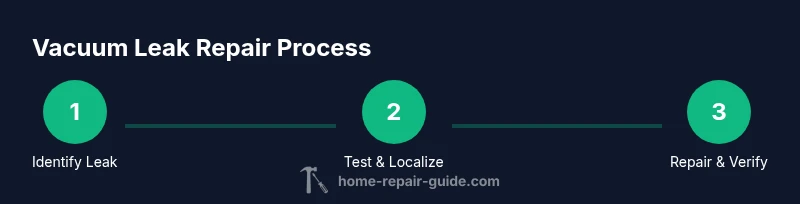
Start with a visual scan for obvious cracks, loose clamps, or missing hose ends. With the unit unplugged, connect a fresh hose and operate at low power to observe suction changes. Apply a light layer of soapy water to suspect joints; if bubbles form, air is escaping. For more precise tests, you can perform a controlled suction test by sealing the path behind the suspected leak and listening for changes in the motor load. Document each finding; this makes the subsequent steps faster and reduces the chance of missing a leak during reassembly. If you locate a leak inside the motor housing or cyclone chamber, vacuums often require professional replacement parts.
Fixes you can perform: hoses, clamps, and seals
Replace damaged hoses with OEM parts or high-quality aftermarket equivalents designed for your model. Re-seat all hose connections and replace torn gaskets or o-rings. Tighten clamps firmly but avoid overtightening, which can cut hose walls. For cracks near elbows or joints, a short term patch may work for light use, but plan full hose replacement for reliability. After parts are installed, re-run the leak test to confirm the repair. If noise levels return to normal and suction improves, you’re likely done; otherwise repeat the test and inspect nearby joints for overlooked gaps.
Maintenance to prevent future leaks
Regularly inspect hoses and seals every few months, clean debris from joints, and store the vacuum in a dry area to prevent rust and seals drying out. When replacing filters, check the entire airflow path for tight seals. Keep track of known weak points for your model and schedule proactive replacements rather than waiting for a leak to appear. A small, consistent maintenance habit reduces the risk of major vacuum leak repairs later.
When to seek professional help
Some leaks are not user-serviceable, especially those inside the motor housing or complex seal assemblies that require special tools. If you continue to lose suction after a thorough DIY repair and a careful test, it's time to contact a qualified technician or the manufacturer support line. The goal of vacuum leak repair is to restore performance safely, not to push a unit beyond its design limits. The Home Repair Guide team recommends weighing the cost of continued DIY fixes against the price of professional service for higher-end models.
Tools & Materials
- Screwdriver set (Phillips and flathead)(Essential for removing access panels and fittings)
- Replacement hoses or gaskets(Match your vacuum model; OEM parts preferred)
- Replacement hose clamps(Keep extra clamps on hand for secure reattachments)
- Soapy water solution(Dish soap plus water; used to spot leaks via bubbles)
- Cleaning rags(For wiping and drying parts during inspection)
- Safety gear (gloves, safety glasses)(Protect hands and eyes from sharp edges and debris)
- Manufacturer’s manual(Helpful for model-specific parts and disassembly steps)
Steps
Estimated time: 60-90 minutes
- 1
Power down and prep workspace
Unplug the vacuum and move it to a clean, well-lit area. Gather tools and a tray for small parts. This prevents accidental shocks and makes reassembly easier.
Tip: Label screws by location as you remove them to simplify return. - 2
Inspect external connections
Visually check all hose ends, wand joints, and clamps for cracks or looseness. Gently wiggle connections to feel for movement that signals a loose seal.
Tip: Tighten clamps gradually; overtightening can damage hoses. - 3
Test suspect joints with soapy water
Apply a light film of soapy water to joints and run the vacuum at low power. Look for bubbles forming at any seam, which indicates a leak.
Tip: Keep soap off electrical contacts to avoid corrosion. - 4
Replace damaged components
Remove damaged hose sections or seals and install the new parts. Re-seat connections firmly but avoid forcing parts that don’t fit.
Tip: If part prices are close, default to OEM parts for reliability and fit. - 5
Reassemble and re-test
Put the vacuum back together and run a full power test to verify suction improves and no new leaks appear.
Tip: Run the test with a simple test surface to confirm performance. - 6
Document maintenance plan
Record replacement parts and inspection dates. Create a simple schedule to check hoses and seals every few months.
Tip: Set a reminder to ensure ongoing reliability.
FAQ
What causes a vacuum leak in a household vacuum cleaner?
Common causes include cracked hoses, loose clamps, worn gaskets, and damaged seals around the canister or wand. Regular wear and debris buildup can accelerate leakage.
Leaks are usually caused by worn seals and loose connections. Check hoses and clamps first.
How do I locate a vacuum leak in hoses?
Visually inspect all hose sections for cracks and fatigue. Use a soapy water test on suspected joints to see where bubbles form, indicating escaping air.
Look for visible cracks, then test suspected joints with soap bubbles to confirm.
Can I fix a leak myself, or do I need a professional?
Many leaks can be repaired by replacing hoses or seals and re-securing clamps. Complex leaks inside the motor housing may require professional service or parts from the manufacturer.
Many leaks are DIY fixes, but some require a pro if they’re inside the motor.
Is a loud vacuum always a sign of a leak?
Loud operation can indicate a leak, but it can also result from a blockage or worn bearings. Always test for air leaks first before diagnosing motor issues.
Loudness can come from leaks or other issues; test for air leaks first.
What maintenance helps prevent future leaks?
Regular inspections of hoses, seals, and clamps; cleaning the intake path; and storing the vacuum properly all help prevent leaks from forming.
Do regular checks and clean the intake path to keep leaks away.
How long does vacuum leak repair typically take?
DIY repairs usually take under a couple of hours depending on model and parts availability. Plan extra time for parts ordering if needed.
Most fixes are doable in a couple of hours, depending on parts.
Watch Video
Key Takeaways
- Identify leak points before replacing parts.
- Test with soapy water to confirm leaks accurately.
- Replace worn seals for a lasting fix.
- Maintain regular checks to prevent future leaks.
- Consult the manual for model-specific guidance.