Repair Appliances: A Practical DIY Guide
Learn practical, safe methods to diagnose and repair common home appliances. This guide covers essential tools, step-by-step workflows, safety tips, and DIY-versus-pro decisions.


By following this guide, you will learn how to safely diagnose common appliance issues, identify root causes, and perform durable repairs for refrigerators, dishwashers, washers, dryers, ovens, and microwaves. It covers practical troubleshooting steps, time-saving workflows, and a clear DIY-versus-professional decision framework, plus tool lists, safety precautions, and testing checks.
Why repairing appliances matters for homeowners
According to Home Repair Guide, repairing appliances reduces waste, lowers energy use when done properly, and helps households stay resilient during outages. When a fridge stops cooling or a dishwasher leaks, quick, correct repairs can prevent food waste and water damage while preserving energy efficiency. Homeowners and renters alike benefit from understanding common failure signals, safe diagnostic methods, and practical repair workflows. This section sets the stage for a durable, budget-conscious approach to appliance care, emphasizing that many everyday faults have affordable, reversible fixes when handled with care.
- Environmental impact: fixing rather than replacing keeps appliances in service longer and reduces landfill waste.
- Economic value: small fixes now prevent expensive component failures later.
- Skill-building: developing a basic repair skill set makes home maintenance more capable and self-reliant.
Throughout this article, you’ll see how a structured approach to diagnosis, parts, and testing leads to reliable outcomes and fewer repeat problems.
Safety, planning, and decision making for appliance repairs
Before you touch any appliance, plan the repair like a mini-project. Unplug the unit, switch off the corresponding circuit breaker if accessible, and remove family members or pets from the area. Read the service manual or manufacturer site for model-specific instructions, torque specs, and safety warnings. Use a simple checklist to verify power-off status with a non-contact tester, confirm door latches or hinges won’t pinch fingers during disassembly, and document the issue with photos for reference. According to Home Repair Guide analysis, a disciplined approach reduces risk and increases repair success rates. This section covers risk assessment, scope definition, and a clear path to either DIY fixes or professional service when complexity or safety concerns exceed your comfort level.
- Define the fault clearly before taking tools to the appliance.
- Keep a clean workspace and organized parts tray to avoid misplacing components.
- When in doubt about electrical components, pause and consult a professional rather than guessing.
Essential tools, safety gear, and sourcing parts
A reliable repair starts with the right tools and safety gear. You don’t need a full workshop to start—just a focused set tailored to your appliance and common failure modes. Always identify the model number, service–part diagram, and wiring schematic before ordering parts. Good practice includes labeling fasteners, taking sequential photos during disassembly, and using non-metallic containers for small screws to prevent loss. The right tools reduce the risk of damage to delicate components and shorten repair time. See the Tools & Materials section for a complete list and substitutions. Safety remains paramount: wear safety goggles, insulated gloves, and closed-toe shoes when working with electrical or hot surfaces.
- Prioritize manufacturer-approved parts to ensure compatibility and warranty considerations.
- Keep a parts wish list and a return policy for any wrong parts.
- If a part is priced abnormally high or unavailable, consider alternatives only after verifying compatibility.
Troubleshooting at the appliance level: fridge, washer, dishwasher, oven
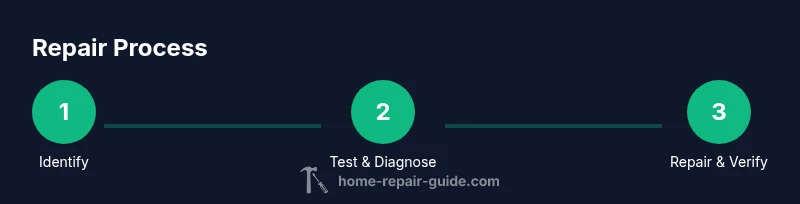
Different appliances present distinct clues. For refrigerators, listen for unusual compressor hums, check door seals for leaks, and inspect condenser coils for dust build-up. For washing machines, look for drum imbalance, clogged filters, or intake valve issues. Dishwashers often fail drainage or spray arms due to clogs or pump faults. Ovens and ranges may show uneven heating or temperature sensor faults. Start with visual inspection and basic checks (power, water supply, seals) before moving to component tests. Use a methodical approach: observe symptoms, verify power and connections, test accessible components, and document results. A methodical, component-by-component approach minimizes unnecessary replacements and helps you determine if a larger repair is warranted.
- Use model-specific service manuals to guide disassembly and testing.
- For electrical faults, verify voltages and continuity with a multimeter, following safety guidelines.
- If a fault is intermittently present, widen your testing window to recreate the failure.
When to DIY, and when to call a professional
DIY repairs can save money and extend appliance life, but some faults require professional expertise. If you encounter high voltages, refrigerant handling, sealed system work, complex control boards, or gas connections, contact a licensed technician. Consider factors such as warranty implications, potential safety hazards, time investment, and your comfort level with troubleshooting. The Home Repair Guide team recommends evaluating repair costs versus replacement, considering energy efficiency improvements, and prioritizing safety above all. If you decide to DIY, limit the scope to fixes within your skill set and track all steps for future reference.
- When in doubt, get a phone consult from a qualified technician before proceeding.
- If disassembly requires special tools or costly testing equipment, weigh the investment against replacement.
Maintenance and prevention to extend appliance life
Proactive maintenance pays off. Clean coils, replace filters regularly, check seals for wear, and keep drainage paths clear. Create a simple maintenance schedule that includes monthly quick checks and quarterly deeper cleanings. Address small issues promptly to prevent cascade failures. Document routine maintenance in a repair log for future reference, including dates, parts replaced, and test results. Regular upkeep helps sustain efficiency, reduces downtime, and defers major repairs. Home Repair Guide recommends a simple, repeatable routine that fits most household appliances.
Authority sources
- CPSC safety tips for home appliances: https://www.cpsc.gov
- Energy Saver guidelines: https://www.energy.gov
- OSHA quick guide: https://www.osha.gov
Tools & Materials
- Insulated screwdriver set (Phillips and flathead)(Include a range of sizes 4-6 inch handles)
- Nut drivers(Set of common sizes (6-12mm))
- Multimeter(For voltage, continuity, resistance checks)
- Non-contact voltage tester(Verify power is off before touching components)
- Pliers (needle-nose and slip-joint)(Grip hoses, wires, and small fasteners)
- Wrench set / sockets(Assorted sizes for fasteners)
- Safety gloves(Insulated for electrical work; protect hands)
- Safety goggles(Eye protection during disassembly and testing)
- User manual or service diagram for the appliance(Model-specific torque specs and wiring)
- Replace-with-parts on hand(Only after confirming compatibility)
- Electrical contact cleaner(For cleaning terminals without residue)
Steps
Estimated time: 60-120 minutes for basic diagnostic and small repairs; longer for complex components
- 1
Power down and secure the area
Unplug the appliance and switch off the circuit breaker if accessible. Clear the workspace and keep children and pets away. This prevents accidental shock, minimizes fire risk, and keeps components safe as you inspect.
Tip: Double-check power-off status with a non-contact tester before touching any wires. - 2
Identify symptoms and consult the manual
Note the exact fault, symptoms, and any error codes. Open the service manual or manufacturer site to confirm faults and disassembly steps. This helps you avoid guessing and guides you to the correct subsystem.
Tip: Take clear photos of wiring and fasteners before removal. - 3
Perform non-invasive checks
Check visible seals, hoses, and connectors for damage or leaks. Listen for unusual noises and observe whether components engage. These checks can reveal quick wins without disassembly.
Tip: Re-seat connectors firmly and re-check before replacing parts. - 4
Test electrical components
Use a multimeter and non-contact tester to verify voltages, continuity, and resistance. Compare readings with the appliance’s service data. Only proceed if readings align with expected values.
Tip: Never test live circuits with power applied to sensitive devices. - 5
Replace faulty parts with approved components
Order manufacturer-approved parts and install them following torque specs and alignment guides. Avoid generic substitutions that could affect safety and performance.
Tip: Keep replacement parts organized and labeled; swap one part at a time. - 6
Reassemble and test operation
Reconnect removed components, restore power, and run a controlled test cycle. Observe for abnormal smells, heat, or leaks. If safe operation is confirmed, proceed to final checks.
Tip: Run several short cycles to confirm stability before full use. - 7
Document results and plan follow-up
Record what was repaired, part numbers, and the outcomes. Note any residual issues and set a maintenance reminder. This helps future diagnostics and protects you from repeating errors.
Tip: Maintain a repair log for future reference and warranty records.
FAQ
What is the best approach to repairing appliances safely?
Start with power-off procedures, consult the service manual, and perform non-invasive tests before bits and pieces come apart. Use proper safety gear and manufacturer-approved parts. If a fault involves refrigerants, gas lines, or high-voltage systems, call a licensed technician.
Power off first, follow the manual, test safely, and use approved parts. For refrigerants or high-voltage work, contact a professional.
Can I fix appliances without any professional training?
Many basic issues can be addressed with proper tools and guidance. Start with simple maintenance tasks and non-electrical problems. If the fault involves electrical safety, sealed systems, or warranty concerns, seek professional help.
You can start with simple fixes, but for electrical or sealed systems, consider a pro.
How do I know when a part needs replacement?
Look for visible wear, heat damage, leaks, unusual noises, or repeated failure signs. If testing confirms a faulty component beyond safe repair, replace it with an OEM or manufacturer-approved part.
Watch for wear, heat, leaks, and repeated failures. Replace with the right part after testing.
What safety gear should I wear during repairs?
Wear insulated gloves, safety goggles, and closed-toe shoes. Use a non-slip mat and ensure the work area is dry when dealing with electrical components.
Gloves, goggles, and sturdy shoes protect you from shocks and sharp edges.
Where can I find replacement parts for my appliance?
Check the manufacturer’s site or authorized distributors. Use the model number to confirm compatibility, and compare part numbers with the service diagram.
Visit the manufacturer or authorized sellers using your model number to find the right parts.
Watch Video
Key Takeaways
- Identify the fault clearly before disassembly.
- Use the right tools to avoid damage and injury.
- Follow safety guidelines and manufacturer guidelines at all times.
- DIY only when within your skill and safety comfort zone.